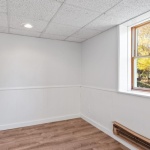
Picture this: you walk into a tidy, purpose-built workout zone, every dumbbell and band effortlessly within reach, the floor clear, the lighting upbeat, and your next routine queued and ready. That feeling is not luck. It is organization by design. If you have ever wondered how to organize space for home fitness equipment without sacrificing style, safety, or square footage, you are in the right place. This comprehensive guide blends design strategy, storage solutions, and behavioral science so you can build a clutter-free home gym that genuinely keeps you motivated.
Why Clutter Kills Motivation — And Order Fuels Consistency
Clutter competes with your focus. Visual noise drains willpower and introduces micro-barriers: moving a kettlebell to roll out a mat, untangling resistance bands before a warm-up, shifting a bench to start your first set. Over time, those frictions erode consistency. A clean, organized environment, on the other hand, reduces decision fatigue and makes good habits automatic.
- Clear space equals clear mind: When your tools are visible and accessible, you start faster and finish stronger.
- Predictable layouts reduce friction: Zones and labeled storage shorten setup time and keep workouts on track.
- Aesthetics reinforce identity: A thoughtfully designed gym signals I am someone who trains here, supporting your goals psychologically.
Start With An Audit: Measure, Map, and Understand Your Constraints
Before buying gear or storage, capture the physical realities of your space. Smart planning starts with specifics, not guesswork.
- Measure the footprint: Length, width, and ceiling height. Note low beams or sloped ceilings if applicable.
- Map traffic patterns: Where do doors swing? What paths do you walk daily? Avoid layouts that force constant sidestepping.
- Find studs and anchor points: Use a stud finder to identify load-bearing zones for wall racks, mirror anchors, or pull-up bars.
- Check floor type and load capacity: Concrete in a garage differs from hardwood in an apartment. Protect floors and distribute weight.
- List power and ventilation: Count outlets, consider fan or window access, and plan for airflow, especially for cardio gear.
Create a simple sketch, to scale if possible. Add potential zones and visualize how you will transition between movements. A rough plan now prevents headaches later.
Define Your Training Zones
Zoning is the backbone of effective home gym organization. It clusters tools by function, shortens time between sets, and keeps the floor clear.
Strength Zone
For lifting, dedicate a compact area with stable flooring, vertical storage, and fast access to essentials.
- Compact rack or foldable squat stand if you barbell train
- Wall-mounted plate and bar holders or a slim tree
- Adjustable dumbbells or a short rack of fixed pairs
- Kettlebell trio for swings, cleans, and presses
Mobility and Core Zone
Keep this zone clean and mat-ready. It should invite you to warm up, cool down, or stretch without rearranging the entire room.
- Mat rack or vertical mat stand
- Foam roller cradle and ball bin
- Small shelf for yoga blocks, sliders, mini bands
Cardio Zone
Prioritize ventilation and noise control.
- Foldable treadmill, under-desk walking pad, rower that stores upright, or compact bike
- Vibration-dampening mat and sound-absorbing panels
- Smart plug or surge protector for powered units
Recovery and Reset Zone
Support consistency by making rest and reset easy.
- Towel hooks and small hamper
- Wipes and spray for quick sanitation
- Charging station for a heart-rate strap or massage gun
Choose Space-Savvy Equipment
In a small footprint, multi-use and stowable gear beats single-purpose pieces. Be ruthless: if a tool cannot be stored neatly, it must earn its floor space.
- Adjustable dumbbells: Replace a full rack with one compact pair.
- Stackable or competition kettlebells: A few sizes cover strength and conditioning.
- Folding bench and collapsible flat bench: Store under a bed or against a wall.
- Resistance bands and tubes: High ROI, minimal storage, huge versatility.
- Suspension trainer: Door-mounted or anchored to a beam; replaces many machines.
- Upright-storing rower or foldable treadmill: Cardio without permanent clutter.
- Weighted vest and sandbags: Add load without plates or racks.
Ask of every purchase: where will it live, how quickly can I put it away, and what does it replace. That mindset keeps your setup lean and effective.
Vertical Wins: Walls, Doors, and Tall Storage
When floor space is scarce, think vertical. Strong, organized walls transform chaos into a system.
Pegboards and Rail Systems
Heavy-duty pegboards or slotted rails handle light to moderately heavy items and keep tools visible.
- Hooks for jump ropes, belts, and bands
- Shelves for chalk, timers, wraps, or yoga blocks
- Bins for lacrosse balls, straps, and clips
Wall-Mounted Racks
Use studs and proper anchors to handle heavier loads.
- Barbell and plate holders
- Foldable squat rack that tucks nearly flat
- Horizontal racks for mats or foam rollers
Over-Door Organizers
Doors are underused real estate.
- Pocket organizers for bands, gloves, and small accessories
- Hook rails for mats, towels, or jump ropes
Ceiling and Overhead Storage
In garages or basements with adequate height, overhead racks store seasonal or rarely used items. Avoid heavy or daily-use gear overhead to reduce risk and friction.
Cabinets, Carts, and Benches That Do Double Duty
Closed storage keeps dust down and makes visual clutter disappear. Choose pieces that support workouts while hiding gear.
- Storage bench: Sits under a window or against a wall, holds bands, sliders, and towels.
- Rolling utility cart: Park near your zone during training; roll away post-workout. Perfect for recovery tools and chalk.
- Low cabinets with doors: Stash dumbbells and kettlebells at knee height to protect floors and backs.
- Labelled bins inside: Clear categories by activity or muscle group reduce search time.
Floor Planning: Clearances, Safety, and Flow
Great gyms feel bigger because they move better. Plan for safe ranges of motion and easy transitions.
- Clearance for lifts: Overhead presses need ceiling height and elbow room. Swings require a safe arc front to back.
- Mat configuration: Interlocking tiles define zones, soften noise, and protect floors.
- Pathways: Maintain a 24 to 36 inch walkway for transitions and safety.
- Vibration control: Place cardio on vibration mats and avoid shared walls if possible.
Create a default layout you return to after every session: bench in its spot, dumbbells back to order, bands on their hooks. The visual reset keeps your brain ready for next time.
Power And Cable Management
Tidy cables keep spaces safe and sharp-looking.
- Route power along edges: Use cord covers and cable clips along baseboards.
- Smart plugs and surge protection: Automate warm-up by powering fans or lights on schedule.
- Battery-first options: Wireless speakers and rechargeable devices simplify cable runs.
- Home office crossover: If your gym overlaps with work gear, separate power strips and label them.
Labeling, Inventory, and Rotation
Label what you cannot see. Inventory what you do not use weekly. Rotate what you use seasonally.
- Bin labels by routine or body part: Pull, push, lower, core, mobility.
- Photo labels help family members return gear correctly.
- QR codes link to exercise videos or maintenance notes.
- Quarterly declutter: Donate duplicates and sell unused machines.
Design For Habits: Make The Right Choice The Easy Choice
Space organization is behavior design. Align the environment with your training plan so your future self has no excuses.
- Night-before prep: Place shoes, towel, and a filled bottle by the mat.
- Program on display: Mount a small whiteboard or clip your written session to the rack.
- Timers visible: Keep a wall clock or interval timer eye-level.
- Micro-wins ready: Short on time? Keep a preloaded kettlebell or a resistance band by the mat for a 10-minute circuit.
Lighting, Color, Sound, and Scent
Atmosphere powers adherence. A well-designed vibe makes effort feel inviting.
- Layered lighting: Overhead ambient light plus directional task lights near mirrors or racks.
- Color psychology: Energize with warm neutrals and bold accents; cool hues calm mobility zones.
- Mirrors: Against one long wall expands the room and supports form checks.
- Sound: Bluetooth speaker on a small shelf, rubber feet to reduce rattle.
- Scent: Subtle diffuser with citrus or mint can cue go-time.
Cleaning, Air, and Maintenance
A clean gym is a used gym. Build cleaning into the layout.
- Ventilation: Oscillating fan near cardio zone; crack windows or use a compact air purifier if needed.
- Wipes on hand: Keep a canister within arm's reach of the rack and cardio unit.
- Sweat mats and towels: Dark, quick-dry textiles hide wear and cut laundry trips.
- Weekly reset: Return gear, empty hamper, dump trash, recharge devices.
Case Studies: Small, Smaller, and Tiny
Studio Corner Gym
Footprint: 5 by 7 feet. Equipment: adjustable dumbbells, two kettlebells, foldable bench, yoga mat, suspension trainer. Storage: a 36 inch rail-mounted pegboard with hooks for bands and jump rope; a low cabinet with bins for accessories; over-door organizer for towels and light gear. Flow: mat remains in place; bench leans vertically post-session; weights live low in the cabinet. Result: zero trip hazards, session to session time under one minute to start.
Garage Bay Gym
Footprint: half-bay in a single garage. Equipment: foldable rack, barbell, bumper plates, rower stored upright, sandbag. Storage: wall-mounted plate pegs and barbell racks between studs; ceiling rack for seasonal items; rubber tiles define lifting zone. Noise: platform with horse stall mats to dampen impact. Result: car still parks nightly, training stays daily.
Attic Nook Mobility Den
Footprint: angled ceiling, narrow width. Equipment: mats, blocks, lightweight dumbbells, bands. Storage: floating shelves mounted to knee wall; basket for rollers and balls; clamp light for task illumination. Design: warm neutral palette, soft music, and a compact fan. Result: a serene space built for recovery and focus.
Budget-Friendly Hacks and DIY Ideas
- IKEA shelf as dumbbell station: Reinforce shelves, place dumbbells on lower levels, and line with rubber mat strips.
- DIY pegboard: Paint to match your color scheme; add custom hooks for mats and ropes.
- Under-bed bins: Store foldable bench, sliders, and rarely used tools.
- Command hooks and strips: For renters, mount light items without wall damage.
- Repurpose a shoe rack: Holds kettlebells, med balls, and bands while keeping floor tidy.
Safety First: Anchors, Loads, and Family Considerations
- Mount into studs: Always anchor racks and heavy accessories into solid framing.
- Check wall and ceiling loads: Drywall alone is not sufficient for heavy gear.
- Child and pet safety: Keep small parts high; use soft-close bins; lock heavy items behind cabinet doors.
- Slip resistance: Choose mats with grip; wipe sweat promptly.
Sample Layouts You Can Copy
8 by 10 Foot Multi-Modal Layout
- Left wall: foldable rack, bar storage, plate pegs
- Right wall: pegboard with hooks and small shelves
- Back corner: upright rower with fan nearby
- Center: interlocking tiles for lifting and circuits
- Front wall: mirror and whiteboard
5 by 7 Foot Minimalist Layout
- Short wall: mirror and rail-mounted pegboard
- Long wall: low cabinet with adjustable dumbbells and kettlebells inside
- Floor: mat fixed with anti-slip underlay
- Door: over-door organizer for bands and towels
Closet Gym Conversion
- Remove doors; add a curtain for visual calm
- Install vertical mat rack, hooks, and two floating shelves
- Rolling cart slides under lower shelf to keep the aisle clear
How To Stay Clutter-Free Long Term
Organization is not a one-time event; it is a maintenance habit. Keep it effortless.
- Same spot policy: Every tool has a home, and it returns there before you exit.
- One-in, one-out rule: New gear replaces or upgrades something you release.
- Monthly speed audit: If you fumble for an item twice in a week, change its home.
- Quarterly purge: Donate unused equipment; recycle old mats and worn bands.
Quick Start Guide: How to organize space for home fitness equipment
If you want the fast path from chaos to clarity, use this step-by-step sequence to design a neat, high-output workout room.
- Measure and map: Record dimensions, outlets, studs, and airflow paths.
- Define zones: Strength, mobility, cardio, recovery. Put them on your sketch.
- Pick multi-use gear: Adjustable weights, bands, foldables.
- Go vertical: Pegboards, hooks, rails, and wall racks into studs.
- Add closed storage: Low cabinets, storage benches, labeled bins.
- Control cables: Edge routing, clips, smart plugs.
- Design the vibe: Mirrors, layered lighting, music, and subtle scent.
- Codify resets: Ten-minute weekly tidy and post-workout put-away routine.
Common Mistakes To Avoid
- Buying before planning: The wrong gear creates more clutter.
- Ignoring vertical space: Floors fill first; walls rescue flow.
- Overstuffing: Too many tools slow decisions and sap motivation.
- Skipping anchors: Unsecured racks are dangerous.
- Neglecting air and light: Stale, dim spaces feel heavier and get avoided.
Frequently Asked Questions
What if I only have a tiny corner in my living room
Choose a mat that rolls out in seconds, a storage bench that doubles as seating, and a pegboard shelf above eye level. Keep visible clutter minimal, and store heavier items low to protect floors.
How can I reduce noise for neighbors
Use interlocking rubber tiles, place cardio on vibration-damping mats, avoid dropping weights, and schedule high-impact work during reasonable hours. Soft-close storage and felt pads under furniture also help.
What is the best way to store resistance bands
Hang them on separate hooks by resistance level. A small label ring or color code helps. Avoid tight knots to extend life.
Do I need mirrors
They are not mandatory, but a mirror aids technique and amplifies light. A slim, wall-anchored panel mirror is enough for form checks.
How do I keep my home gym clean
Place wipes within reach, keep a laundry basket near your exit, and build a two-minute end-of-session routine: sanitize handles, reset weights, empty trash weekly.
Putting It All Together
Creating a motivating, clutter-free home gym is not about having more space; it is about using space smarter. You now have strategies to map your room, select compact gear, master vertical storage, streamline power and cables, label intelligently, and design an atmosphere that pulls you in. When you design for habit first, gear second, you unlock a sustainable system that works on your busiest days as well as your best ones.
Whether you are outfitting a garage bay, a studio corner, or a closet conversion, you have the playbook for how to organize space for home fitness equipment and keep it that way. Keep the floor clear, give every item a home, and reset weekly. The payoff is immense: faster starts, cleaner finishes, and a fitter you.
Your 10-Minute Weekly Reset Checklist
- Return every item to its labeled home
- Wipe down handles, mats, and screens
- Empty hamper and replace towels
- Recharge timer, speaker, and massage gun
- Restock wipes and chalk
- Scan for trip hazards and fix cable routes
- Confirm your next program and set out tomorrow's essentials
Do those few steps, and your workout zone will greet you every time with the same message: ready when you are.