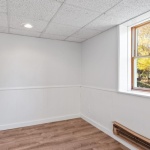
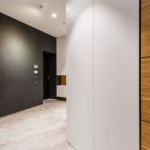
Daylight has a way of making spaces feel bigger, calmer, and more alive. It accents texture, energizes color, and gently shifts the mood of a room from dawn to dusk. Whether you live in a compact apartment or a sprawling home, letting more sun in can change how you use and enjoy your space. If you’ve wondered how to bring more natural light into rooms without gut renovations—or if you’re ready to invest in bigger upgrades—this comprehensive guide breaks down the best options, from quick wins to transformative architectural moves.
Why Natural Light Matters More Than You Think
There’s a reason sunlit interiors feel effortlessly welcoming. Natural light impacts nearly every aspect of how we live at home:
- Well-being and mood: Daylight supports circadian rhythms, which can improve sleep quality, alertness, and overall mood.
- Visual comfort: Balanced daylight reduces eye strain compared to harsh or uneven artificial lighting.
- Perceived space: Bright rooms look larger and feel more open—an especially big perk in smaller homes.
- Energy savings: Good daylighting reduces reliance on electric lights during daytime hours.
- Design payoff: Sunlight makes finishes, textiles, and materials come alive, enhancing your decor investments.
Beyond aesthetics, aiming for more daylight is a practical, sustainable strategy that can reshape your routines, improve productivity, and elevate the everyday vibe of your home.
How to Bring More Natural Light into Rooms: The Big Picture
Before we dive into specific tactics, it helps to think in layers. The most effective daylight strategies combine:
- Access: Let light in through windows, doors, and skylights.
- Transmission: Move light deeper into your home via reflective surfaces, interior glass, and strategic layouts.
- Control: Manage heat, glare, and privacy with smart shading and finishes.
This layered approach ensures that brightening one area doesn’t introduce new problems elsewhere—like glare in a home office or summer overheating in a south-facing living room.
Zero-Cost Wins You Can Do Today
If you want immediate improvements without spending money, start here. These habits can dramatically boost daylight in an afternoon:
- Open everything: Fully raise blinds, stack curtains off the glass, and tie back drapery during the day to clear the light path.
- Declutter windowsills: Remove plants, trinkets, and tall decor blocking the lower portion of the window.
- Reposition furniture: Move tall bookcases and sofas away from windows. Keep low profiles near glazing to preserve the light wash.
- Use interior doors strategically: Prop open doors on bright sides of the home to borrow light across rooms and hallways.
- Clean the glass: A thorough cleaning of panes (inside and out) and dusting of screens can instantly increase clarity and brightness.
- Mirror maintenance: Clean existing mirrors and glass tabletops to maximize reflectivity without buying anything new.
Surface Science: Colors, Finishes, and Reflectance
Light is a resource you can amplify. Even without adding windows, you can transform how far daylight travels through smart use of color and sheen.
Choose Paint with High LRV
Light Reflectance Value (LRV) measures how much visible light a color reflects (0 = black, 100 = pure white). To bounce daylight around a room:
- Walls: Aim for LRV 60–85 in living spaces you want to brighten. Soft whites, warm ivories, sandy beiges, misty grays, and pale pastels work well.
- Ceilings: A bright white or slightly tinted white with LRV 85–95 increases vertical bounce and heightens the sense of volume.
- Trim and doors: Use a crisp white in a semi-gloss to act like a subtle reflector framing your windows.
Pro tip: In north-facing rooms that read cool, pick a white with a gentle warm undertone to counteract grayness and keep the space inviting.
Sheen and Finish Matter
Sheen affects how light scatters:
- Eggshell/satin on walls: More reflective than matte, easier to clean, and still forgiving of wall imperfections.
- Semi-gloss on trim: A classic light amplifier along window casings and baseboards.
- Matte ceilings: Use matte to avoid glare overhead while keeping color crisp and bright.
Reflective Decor that Works
You don’t need to turn your home into a mirror showroom to leverage reflectivity. Try:
- Strategic mirrors: Place a large mirror directly across or diagonal from a window to double the perceived depth of the room.
- Metallic accents: Brushed brass frames, chrome lamps, and glossy ceramics kick subtle light into darker corners.
- Glass and acrylic: Clear coffee tables, lucite chairs, and open shelving allow light to pass through rather than blocking it.
- Light rugs and textiles: Pale, low-pile rugs and natural fibers reflect more light than dark, heavy textures.
Window Wisdom: Getting the Most from What You Have
Windows are your primary daylight source, so optimizing them pays off immediately—no remodeling required.
Clean, Repair, and Unblock
- Deep-clean windows and screens: Dust and grime can reduce light transmission significantly. Screens can be removed seasonally where safe and practical.
- Refresh caulk and seals: Tight seals reduce condensation and streaking, keeping glass clearer.
- Thin or remove grids (where possible): Removable interior grids can be reconfigured to maximize the clear opening. Consult manufacturer guidance.
Layer Window Treatments for Daylight Control
To brighten without sacrificing privacy, think in layers:
- Sheer panels: Let in diffuse light while softening glare. Mount rods wider than the window so panels stack off the glass.
- Top-down/bottom-up shades: Maintain privacy at eye level while admitting sky light above.
- Solar shades (3–10% openness): Cut glare and UV while preserving views and daylight.
- Café curtains: Perfect for kitchens and baths to protect privacy while the upper window remains open to light.
When you need full blackout for sleeping or media rooms, add separate lined drapery that closes only when necessary, preserving daytime brightness.
Trim, Rods, and Recesses
- Extend rods 6–12 inches past the window: Curtains stack completely off the glass to free the entire opening.
- Choose slim hardware: Sleek brackets and rings reduce shadows and visual bulk near the window.
- Lighten the trim color: A bright white or pale neutral around the frame acts like a reflector.
Glare and Heat Management
Sunlight must be comfortable to be usable. Combine:
- Low-E glass films or replacement glazing: Reduce heat gain and UV without blocking visible light.
- External shading: Awnings, pergolas, and exterior shades stop heat before it enters the home.
- Interior diffusers: Light-filtering shades tame glare on screens and glossy surfaces while keeping rooms bright.
Layout and Furniture: Arrange for Daylight Flow
Even the best window can be undermined by bulky layouts. A few thoughtful shifts can send sunshine deeper into the room.
- Keep sightlines clear: Place taller pieces on darker walls; leave low silhouettes near windows.
- Float furniture: Pull sofas and tables off the walls to allow light to skim behind and around them.
- Choose airier forms: Leggy sofas, glass-top tables, open shelving, and woven chairs allow light to travel.
- Use reflective anchors: A pale area rug in the room’s center bounces light instead of absorbing it.
Small-Space Strategies
- Multipurpose mirrors: Mirrored wardrobes or cabinets serve double duty.
- Doors with glass inserts: Swap a solid door for a frosted or ribbed-glass door to borrow light between rooms.
- Minimal window dressing: Use slim roller shades mounted inside the frame to expose the full opening by day.
Rental-Friendly Ideas
- Removable window films: Frosted or prismatic films add privacy and diffuse light without drilling.
- Freestanding mirrors: Leaners can dramatically brighten without wall anchors.
- Peel-and-stick backsplashes: Glossy finishes in kitchens reflect under-cabinet light and daylight alike.
Doors, Transoms, and Interior Glazing
When windows can’t move, let light slip through partitions. Interior glazing spreads daylight across otherwise dim zones.
- Glass interior doors: Clear, fluted, or frosted glass maintains privacy while borrowing light.
- Transom windows: A classic way to channel light over doors into hallways.
- Clerestory openings: High-level glass above eye height delivers privacy-friendly daylight.
- Interior windows: Add a pane between rooms (e.g., kitchen to hall) to share light from a brighter space.
Safety first: Use tempered or laminated glass where required, and consult local codes for fire-rated assemblies in specific locations.
Architectural Upgrades: More Openings, More Sky
If you’re ready for a bigger leap, architectural changes are the most powerful way to increase daylight. Always consult a qualified professional to evaluate structure, weatherproofing, and permits.
Enlarge or Add Windows
- Picture windows: Maximize view and light on scenery-facing walls.
- French or sliding doors: Convert a dark wall to a bright threshold to a patio or garden.
- Bay or bow windows: Capture multiple light angles and create a cozy, sunlit niche.
- Higher sills or taller windows: Raising the head height captures more sky vault light, especially valuable in dense neighborhoods.
Skylights, Roof Windows, and Sun Tunnels
Rooftop daylight is potent because it taps into the sky—the largest diffuse light source.
- Fixed skylights: Excellent for steady light in living spaces; simpler and more affordable than vented models.
- Vented skylights/roof windows: Add both daylight and passive ventilation to manage heat and humidity (ideal in kitchens and baths).
- Sun tunnels (solar tubes): Highly effective in small or windowless zones (hallways, closets) with minimal structural impact.
Use diffusers and blinds to soften rooftop glare and consider low-E, laminated, or tinted glazing based on climate.
Placement by Orientation
- North-facing: Delivers cool, even light—great for studios and offices—often benefits from larger glazing without overheating.
- East-facing: Glorious morning sun; manage glare at breakfast nooks with solar shades.
- South-facing: Abundant light and passive heat in winter; control summer gain with exterior shading and selective glazing.
- West-facing: Strong late-afternoon sun; use deep overhangs, deciduous trees, or low-SHGC glass to mitigate heat and glare.
Costs, Permits, and Structure
- Budget tiers: From a few hundred dollars for sun tunnels to several thousand for new windows or large doors.
- Structural impacts: Enlarging openings often requires headers or lintels—engage a structural engineer.
- Waterproofing and flashing: Proper detailing prevents leaks; choose pros with a track record in fenestration.
- Permits and egress: Bedrooms require egress-ready windows by code—verify minimum sizes and sill heights.
Daylight by Climate and Orientation
Tailor daylight strategies to your geography for comfort all year.
Hot or Sunny Climates
- Exterior shading first: Awnings, screens, and pergolas stop heat outdoors.
- Selective glazing: Low-SHGC, spectrally selective coatings keep interiors bright while limiting solar gain.
- Light exteriors and hardscapes: Pale walls and patios reflect light inward without overheating rooms.
- Cross ventilation: Pair vented skylights with operable windows to exhaust hot air at the ceiling plane.
Cold or Cloudy Climates
- Maximize south light: Larger south-facing glazing leverages passive winter gains.
- High-performance frames: Thermally broken frames and warm-edge spacers reduce condensation and heat loss.
- Triple glazing (where appropriate): In very cold zones, triple-pane windows improve comfort near glass.
- Air sealing and shades: Nighttime insulating shades conserve heat while daytime sheers admit light.
Smart Daylight Control and Electric Light Layering
Bright rooms still need thoughtful control. Combine daylight with responsive electric lighting for balance:
- Automated shades: Schedule sheers and solar screens to track the sun and protect furnishings from UV.
- Daylight sensors and dimmers: Let fixtures dim automatically when the sun is strong.
- Circadian-friendly lighting: Warm in the morning and evening, neutral at midday to complement natural rhythms.
- Task layers: Even with abundant daylight, keep targeted task lights at desks, counters, and reading chairs for cloudy days.
Room-by-Room Strategies
Different spaces call for different daylight solutions. Apply these tailored tips:
Living Room
- Low-profile seating: Preserve window views with sofas below sill height.
- Mirror the brightest wall: A large mirror opposite a window expands perceived width and brightness.
- Layered treatments: Sheers for daily use, drapery for evenings and films for UV control on cherished artwork.
Kitchen
- Gloss where it counts: Satin or semi-gloss backsplashes and lighter countertops reflect task lighting and daylight.
- Open shelves near windows: They block less light than solid uppers.
- Clerestory or skylight: Over an island, a skylight or sun tunnel can eliminate midday shadows.
Bedroom
- Top-down shades: Welcome morning light while maintaining privacy.
- Soft, warm whites: Counteract cool dawn light for a calm atmosphere.
- Blackout layer for sleep: Keep it separate so daytime brightness isn’t compromised.
Bathroom
- Obscure or fluted glass: Protect privacy while admitting abundant light.
- Light-colored, glossy tile: Amplifies even small windows.
- Vented skylight: Ideal where wall windows are impractical.
Home Office
- Perpendicular desk placement: Sit at 90 degrees to the window to minimize screen glare.
- Solar shades or sheers: Soften midday contrast without darkening the room.
- Neutral, matte backdrops: Calmer on video calls and easier on the eyes.
Hallways and Stairs
- Borrowed light: Add transoms or interior glass panels to funnel sun from adjacent rooms.
- Light wells and sun tunnels: Compact solutions for internal corridors.
- Bright handrails and treads: Pale finishes increase perceived brightness and safety.
Outdoor Factors That Influence Indoor Light
What’s outside your windows can boost or block daylight just as much as interior choices.
- Landscape pruning: Trim dense shrubs and low branches that shade windows, especially on the south and east sides.
- Reflective hardscapes: Pale patios, light gravel, or a white fence can bounce light back inside.
- Overhangs and porches: Size for seasonal control—deeper overhangs for hot climates, shallower for cold.
- Exterior finishes: Light-colored siding near windows can improve interior brightness.
- Neighboring structures: Use higher window heads or clerestories to capture sky where views are blocked.
Wellness, Sustainability, and Protection
More sunlight should also mean healthier interiors and long-lived furnishings.
- UV management: Low-E coatings and films protect fabrics, floors, and artwork from fading.
- Ventilation with light: Where possible, combine daylight with operable windows to enhance indoor air quality.
- Energy performance: Choose ENERGY STAR-rated windows appropriate to your climate zone for comfort and efficiency.
- Safety glazing: In wet areas or near floors, use tempered or laminated glass as codes require.
A Step-by-Step Plan to Brighten Any Room
Turn aspirations into action with a practical sequence that respects budget and time.
1) Audit the Current Light
- Map sun paths: Note how light changes by hour and season in each room.
- Identify blockers: Furniture, heavy curtains, exterior vegetation, and dark finishes.
- Spot glare zones: Screens, glossy art, and reflective countertops that suffer at certain times.
2) Implement No-Cost and Low-Cost Fixes
- Declutter and clean: The fastest path to visible improvement.
- Swap bulbs and dimmers: Use high-CRI, warm-to-neutral LEDs that complement daylight for evenings.
- Update window treatments: Install sheers or solar shades; widen rods to free the glass.
3) Optimize Surfaces and Layout
- Repaint in higher LRV colors: Walls and ceilings that bounce light.
- Rearrange furniture: Open paths near windows; introduce a large mirror.
- Add reflective accents: Glass, metal, pale rugs, and satin finishes.
4) Consider Targeted Upgrades
- Interior glazing: Transoms or glass doors to share light between rooms.
- Sun tunnels: Bring daylight to internal bathrooms, closets, and hallways.
- Select window replacements: Upgrade one or two priority openings for immediate gains.
5) Plan Major Moves (If Needed)
- Expand openings or add a skylight: Engage pros to handle structure and waterproofing.
- Coordinate shading: Pair every large opening with a shading plan to avoid overheating and glare.
- Stage the work: Sequence projects to minimize disruption and control budget.
Common Mistakes—and How to Avoid Them
- Overusing heavy drapery: Even open, thick panels can shade glass. Use sheers by day and stack drapes wide.
- Too much gray: Cool grays can deaden low-light rooms. Introduce warm undertones to lift the mood.
- Mirror misplacement: Mirrors facing a dark hallway reflect darkness; place them to catch actual light.
- Ignoring glare: Brightness without control isn’t comfortable. Add solar shades or films where needed.
- Skipping exterior fixes: Overgrown plants and deep overhangs can defeat even great interiors.
FAQ: Brightening Rooms with Daylight
What’s the fastest way to make a dark room brighter?
Clean the windows, remove visual blockers, and introduce a large mirror opposite the brightest opening. Pair with sheer window treatments to diffuse and spread light.
Do mirrors really make a difference?
Yes. A large, well-placed mirror can nearly double perceived brightness along a wall by reflecting both light and views. Angle carefully to avoid reflecting glare sources.
How can I improve daylight without sacrificing privacy?
Use top-down/bottom-up shades, solar shades with the right openness, frosted films, or café curtains to admit sky light while covering eye-level views.
What’s better for dark interiors: skylights or sun tunnels?
Skylights deliver broad, dramatic light—great for large rooms. Sun tunnels are compact, affordable, and perfect for small or internal spaces like hallways and closets.
Which paint colors work best?
High-LRV off-whites and pale neutrals bounce more light. In cool, north-facing rooms, pick warm whites to counteract grayness; in hot, sunny rooms, neutral or slightly cool whites help balance warmth.
How do I avoid overheating when adding more glass?
Combine low-SHGC or spectrally selective glazing, exterior shading (awnings, pergolas), and interior diffusers (solar shades). Cross-ventilation and vented skylights help release heat.
Bringing It All Together
Whether your goal is a subtle lift or a sun-drenched transformation, there’s a clear path to brighter rooms. Start with no-cost adjustments, then refine surfaces, furnishings, and window treatments to transmit and control daylight. If your space still needs more, explore interior glazing, larger openings, or rooftop options like skylights and sun tunnels—always paired with shading and energy-smart glazing. In short, learning how to bring more natural light into rooms is as much about guiding and balancing light as it is about adding it. With the right sequence, you’ll enjoy luminous, comfortable spaces that feel bigger, happier, and beautifully alive from morning to evening.
Your Bright-Home Checklist
- Open and clear: Raise blinds, widen curtain stacks, and declutter sills.
- Clean and repair: Wash glass, refresh seals, and dust screens.
- Repaint smart: High-LRV walls and bright ceilings.
- Rearrange: Lower furniture profiles near windows; add a large mirror.
- Layer treatments: Sheers, solar shades, and privacy solutions.
- Reflect and refine: Light rugs, glossy accents, and glass furnishings.
- Borrow light: Interior glass, transoms, and doors with inserts.
- Upgrade strategically: Sun tunnels, new or larger windows, or a skylight.
- Control comfort: Low-E glazing, exterior shading, and automation.
Ready to enhance every room? Start with one small change today—clean the glass, shift a mirror, or swap to sheers—and watch your home brighten step by step. That’s the real secret to mastering how to bring more natural light into rooms: consistent, thoughtful layers that make the most of every sunbeam.