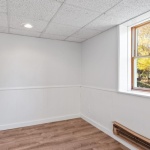
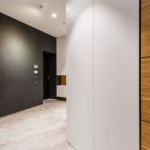
There’s a particular kind of room that stops you in your tracks without raising its voice. It doesn’t rely on an army of trinkets or a stack of trendy accessories. Instead, it commands attention through proportion, material, light, and intent. That is quiet drama: the skillful balance between understated restraint and soul-stirring presence. If you have ever wondered how to add character without excess decor, this comprehensive guide translates the principle into practical moves you can apply now, regardless of your home’s size, style, or budget.
What Is “Quiet Drama” and Why It Works
Quiet drama pairs minimal ornament with maximum impact. Think of it as the quiet luxury of interiors: it favors enduring quality, precise silhouette, and tactile richness over visual noise. The result is a home that feels serene—yet memorable.
- Emotion, not excess: You’re designing for feeling—calm, depth, gravitas—rather than decoration for decoration’s sake.
- Fewer moves, bigger gestures: One sculptural light, a limewashed wall, or a perfectly proportioned built-in can do more than ten small objects combined.
- Material intelligence: Subtle textures—plaster, linen, oiled wood, stone—add nuance without adding clutter.
- Intentional negative space: Empty space gives the eye room to rest and amplifies what remains.
This approach resonates across styles—from Japandi calm to warm modernism and tailored traditional—because it emphasizes bones and basics: scale, structure, and light. In short, if you’re curious about how to add character without excess decor, begin by improving what’s already there rather than piling on more.
Start with Space: Edit, Plan, and Set the Stage
Editing Is Your Superpower
Rooms often feel flat not because they lack items, but because they lack clarity. Edit to reveal intent. Remove anything that doesn’t serve comfort, function, or story.
- Audit by category: Books, textiles, ceramics, plants. Keep only what improves mood or meaning.
- Right-size furniture: An overstuffed sofa or too many side tables will dilute presence. Opt for fewer, stronger silhouettes.
- Honor pathways and sightlines: Maintain 30–36 inches of clear circulation when possible.
Design with Sightlines and a Single Focal Point
Choose a focal point per room—a fireplace, picture window, built-in, or a statement luminaire. Everything else should support, not compete.
- Anchor the room: Center a large rug or low table to ground the composition.
- Control the view: When you enter, what do you see first? Frame that moment with lighting, color, or texture.
- Quiet the rest: Keep supporting elements tonal and textural instead of high-contrast.
Materiality: Let Surfaces Do the Storytelling
Materials can add character more effectively than decorations. Choose fewer finishes and do them well.
Walls That Whisper (and Wow)
- Limewash or plaster: A hand-applied finish creates movement and depth, catching light beautifully without pattern overload.
- Panel molding and beadboard: Architectural detail adds rhythm. Keep profiles slim and paint them tonally for subtle relief.
- Board and batten: Vertical lines elongate a room and introduce a crafted feel.
- Shadow gaps (reveal details): Replace bulky baseboards or door casings with crisp reveals for modern edge.
- Color drenching: Paint walls, trim, and doors the same hue to unify and calm—an advanced move that heightens mood without adding items.
These treatments exemplify how to add character without excess decor because they upgrade the canvas itself. When the envelope sings, you need fewer props.
Floors You Can Feel
- Natural wood with a matte finish: Enhances grain and provides warmth. Avoid overly orange or gray washes; aim for timeless, mid-tone neutrals.
- Rug strategy: Fewer, larger, better. A natural-fiber rug (jute, sisal, wool) adds texture underfoot and defines zones without busyness.
- Stone & tile: Honed finishes are calmer than polished. Use larger formats to reduce visual grout lines.
Textiles: Texture Over Pattern
- Layer three weights: Think robust upholstery (bouclé, tweed), mid-weight curtains (linen), and soft throws (cashmere, alpaca).
- Limit patterns: One restrained motif (pinstripe, herringbone) per room is often enough.
- Tone-on-tone palettes: A few shades of the same color look luxurious and composed.
Architectural Details That Do the Talking
Doors and Hardware
Swap builder-basic doors for solid-core with heft. Consider a shaker profile, flush panels, or even a pivot door if space allows. Upgrade hardware to unlacquered brass, blackened bronze, or brushed nickel with a tactile lever. Small touch, massive impact.
- Front door statement: Deep color + quality knocker + weighted handle = instant gravitas.
- Interior cohesion: Keep finishes consistent for flow, or intentionally mix metals with discipline (e.g., brass hardware, nickel plumbing).
Trim, Baseboards, and Crown
Slim, modern baseboards or a flush reveal make rooms feel architectural. In traditional homes, elevate proportion—taller baseboards and elegant crown molding give a dignified backbone that eliminates the need for visual filler.
Built-Ins and Casework
Built-ins are quiet drama’s best friend: they absorb clutter and give purpose to walls.
- Closed low, open high: Conceal everyday items below; display a few meaningful pieces above.
- Thin frames, thick shelves: Play with visual weight; a 1.5–2 inch shelf reads custom and substantial.
- Integrated lighting: Add low-glare puck lights or LED strips to halo objects softly.
Color Strategies for Understated Impact
Monochrome Layering
Choose a primary hue and build a range around it—walls, trim, textiles—varying only saturation and sheen. This compresses visual noise while amplifying depth.
- Sheen play: Flat walls, satin trim, eggshell cabinetry—same color, different reflectivity.
- Temperature control: Warm grays and taupes read cozy; cool neutrals feel gallery-like and crisp.
Color Drenching
Paint walls, moldings, and even ceilings the same color. It eliminates visual chop and creates a cocoon effect. Use a muted hue (moss, oxblood-brown, inky blue) for sophistication.
Calibrated Contrast
Reserve contrast for a single gesture: black window frames against plaster walls; a walnut table in a pale room; ebonized floors under light upholstery. One strong counterpoint can be more dramatic than 20 small accents.
Lighting: Sculpture, Mood, and Layers
If you remember one thing, let it be this: lighting shapes emotion. Editing accessories won’t matter if the light is flat.
Build Four Layers
- Ambient: Ceiling washes, coves, or concealed LED strips that bathe surfaces evenly.
- Task: Reading lamps, under-cabinet strips, bathroom sconces at eye level.
- Accent: Wall washers and grazers to reveal texture; art lights to celebrate a piece.
- Decorative: A sculptural pendant or sconce with form and finish that doubles as art.
Techniques That Create Quiet Drama
- Wall washing vs. grazing: Washing spreads light softly; grazing skims surfaces to exaggerate texture—perfect on stone or plaster.
- Uplighting: A small uplight behind a plant or sculpture yields ethereal depth.
- Dimmers and warmth: 2700K–3000K bulbs on dimmers shift mood from functional to intimate in seconds.
Art and Objects: Curation Over Accumulation
Choosing fewer, larger pieces is one of the simplest ways to achieve presence. This is central to understanding how to add character without excess decor—let scale and story carry the room.
Anchor with One Significant Piece
- Overscale art: Instead of a busy gallery wall, choose one large canvas, textile, or photograph.
- Sculptural lighting: A pendant or floor lamp with expressive geometry functions as art and light.
- Artisan craft: Hand-thrown ceramics, forged metalwork, or carved wood bring human touch and “quiet luxury.”
Style Shelves with Breathing Room
- Odd numbers rule: Group in threes or fives; vary height and mass.
- Negative space: Leave one-third of each shelf empty to let objects read as intentional.
- Consistent palette: Keep finishes cohesive—stone with wood, matte with matte.
Nature and Tactility: Bring the Outside In
Biophilic design enhances calm and connection. Natural elements supply texture and quiet movement.
- Single-specimen greenery: One sculptural branch in a weighty vessel feels purer than a bouquet of many stems.
- Raw materials: Stone bowls, linen runners, woven baskets, and wool throws add tactility without clutter.
- View framing: Use sheer window treatments to soften glare and celebrate daylight.
Sound, Scent, and Feel: Sensory Layering
Character isn’t just visual. Gentle acoustics, subtle scent, and comfortable touch make rooms memorable.
- Acoustic comfort: Layer rugs, curtains, and upholstered panels to reduce echo.
- Scent: Choose a signature fragrance—cedar, vetiver, fig—via candles or a discreet diffuser.
- Haptics: Soft throws at hand, leather that patinas, warm wood armrests—details your body remembers.
Room-by-Room: Quiet Drama Applied
Living Room
- One statement light: Center a sculptural pendant or arc lamp over the main seating.
- Textural wall: Limewash or paneling behind the sofa replaces the need for extra decor.
- Layered seating: Pair a tailored sofa with two contrasting chairs; vary leg profiles and finishes.
Kitchen
- Monolithic island: Waterfall stone or richly grained wood adds gravitas.
- Integrated lighting: Toe-kick LEDs and under-shelf strips elevate mood and function.
- Hardware upgrade: Swap to solid metal pulls; choose a substantial profile with a tactile grip.
Bedroom
- Headboard as architecture: An upholstered wall panel or extended headboard frames the bed and removes the need for excess art.
- Color cocoon: Drench walls and trim; match linen tones for serenity.
- Quiet tech: Conceal cables and chargers in nightstands; use warm-dim bulbs.
Bathroom
- Stone ledge or niche: Built-in structure beats countertop clutter.
- Wall-wash sconces: Face-height light flatters and adds softness.
- Texture balance: Mix honed stone with plaster paint for spa-like calm.
Entry
- Grounding runner: Natural fiber, durable, textural.
- One heroic hook rail or cabinet: Hide the mess; show only what reinforces the mood.
- Mirror with presence: Overscale, simple frame; reflects light and space.
Small Spaces and Rentals: Constraints as Catalysts
- Color and fabric swaps: Use removable wallpaper, linen curtains, and large area rugs to unify and soften.
- Freestanding architecture: A tall bookcase or screen acts like built-in structure without renovations.
- Lighting without wiring: Plug-in sconces or battery-powered picture lights add layers anywhere.
Sustainability and Budget: Do More with Less
- Upgrade touch-points: Door levers, faucets, and switches influence how a room feels daily.
- Refinish over replace: Sand and oil wood, reupholster classics, repaint cabinets with quality enamel.
- Vintage with patina: Heirloom pieces carry story—a cornerstone of quiet drama.
Mini Case Studies: Quiet Moves, Big Presence
The Plaster Wall That Replaced 12 Frames
A neutral living room felt bland. Instead of adding more art, the owners limewashed the main wall. Result: light dances across subtle texture; a single large canvas now sings. This is textbook how to add character without excess decor.
The Kitchen with Less Stuff and More Shadow
Open shelves were busy. Switching to fluted glass doors, under-shelf LEDs, and a bolder stone backsplash removed visual noise and added depth via light and shadow play.
Bedroom Cocooned in Color
Walls, trim, and ceiling in a muted clay, plus a generous upholstered headboard, transformed a sparse room into a restful retreat with presence—no extra knickknacks required.
A 30-Day Roadmap to Quiet Drama
You don’t need a full renovation to begin. Follow this step-by-step plan to discover how to add character without excess decor through focused, high-impact actions.
- Days 1–3: Edit and reflow. Remove nonessential decor; reset furniture to open sightlines and reinforce one focal point.
- Days 4–6: Lighting audit. Add dimmers; specify bulb temperature (2700K–3000K); introduce a floor lamp to create a secondary pool of light.
- Days 7–10: Surface upgrade. Paint or limewash one wall; unify trim color; replace dated outlet and switch plates.
- Days 11–14: Hardware touch-points. Swap doorknobs, cabinet pulls, and hinges for quality metal finishes.
- Days 15–18: Textiles, not trinkets. Invest in a larger rug; edit pillows to two cohesive textures; hang full-length curtains.
- Days 19–22: Curate one statement. Choose one overscale art piece or sculptural light to anchor the main room.
- Days 23–26: Storage that hides. Add closed baskets or a console with doors to absorb daily clutter.
- Days 27–30: Sensory layer. Introduce a signature scent, soften acoustics with textiles, and add one tactile object at hand (stone bowl, carved tray).
Common Pitfalls (and Elegant Fixes)
- Pitfall: Too many accents competing for attention. Fix: Keep one hero; make everything else supportive.
- Pitfall: Flat light. Fix: Layer ambient, task, and accent with dimmers.
- Pitfall: Pattern overload. Fix: Limit to one pattern; rely on texture for interest.
- Pitfall: Incoherent metals and woods. Fix: Choose a dominant finish; mix others sparingly and repeat them at least twice.
- Pitfall: Ignoring acoustics and scent. Fix: Add textiles and a subtle, consistent fragrance.
Frequently Asked Questions
Is quiet drama the same as minimalism?
No. Minimalism pares down to essentials; quiet drama adds richness through texture, light, and scale. It’s less about having little and more about being intentional with what you choose.
How can I add personality if I can’t renovate?
Focus on paint, textiles, and lighting. Drench a room in one color, hang full curtains, upgrade bulbs and add a sculptural lamp. Edit shelves to a few meaningful objects. That’s the essence of how to add character without excess decor in a rental.
What if my style is traditional—does this still apply?
Absolutely. Keep beloved millwork and antiques, then simplify styling and enhance lighting. Choose fewer, larger statement pieces and lean on tonal palettes to modernize without erasing character.
Which single change has the biggest impact?
Lighting, hands down. Pair dimmers with warmer bulbs and introduce one sculptural fixture. Close second: painting or plastering a feature wall.
How do I maintain the look day-to-day?
Give every category a home (closed storage for small items), tidy surfaces nightly, and reassess styling monthly. Edit relentlessly; add slowly and with intention.
Quiet Drama Checklist
- Focal Point: One clear hero (window, fireplace, art, light).
- Palette: Tonal, with sheen variation or full color drench.
- Materials: At least three honest textures (wood, stone, linen).
- Lighting: Four layers, warm temperature, dimmers.
- Architecture: Trim, reveals, or paneling add depth.
- Storage: Closed where clutter accumulates; open for a few meaningful displays.
- Negative Space: Leave room to breathe.
- Sensory: Comfort in sound, scent, and touch.
Conclusion: Presence Over Props
Quiet drama rejects the endless-objects approach and opts for presence over props. It’s about the poetry of light across plaster, the curve of a chair back, the hush of a well-fitted door, the softness of linen at dusk. If you want to know how to add character without excess decor, start by upgrading architecture, amplifying materiality, and refining your lighting. Then curate just a handful of meaningful gestures. In the end, the most compelling rooms aren’t crowded; they’re considered.
Next step: Choose one category—lighting, paint, or hardware—and complete it this week. You’ll feel the difference immediately, and the momentum will carry you through the rest.