From Hedges to Highlights: Choosing the Right Barberry for Every Garden Style
Barberries are design powerhouses: compact or commanding, golden or burgundy, deciduous or evergreen. Whether you want a thorny privacy screen, a jewel-toned border, or a low-care accent for a gravel garden, the right cultivar can elevate your whole landscape. This guide walks you through design strategy, species selection, climate and site matching, and safe, sustainable choices—so your barberry planting looks brilliant for years.
Why Barberries Belong in Modern Gardens
Few shrubs check as many boxes as barberries. They combine ornamental flair with rugged practicality, giving home gardeners and designers a reliable toolkit for four-season impact.
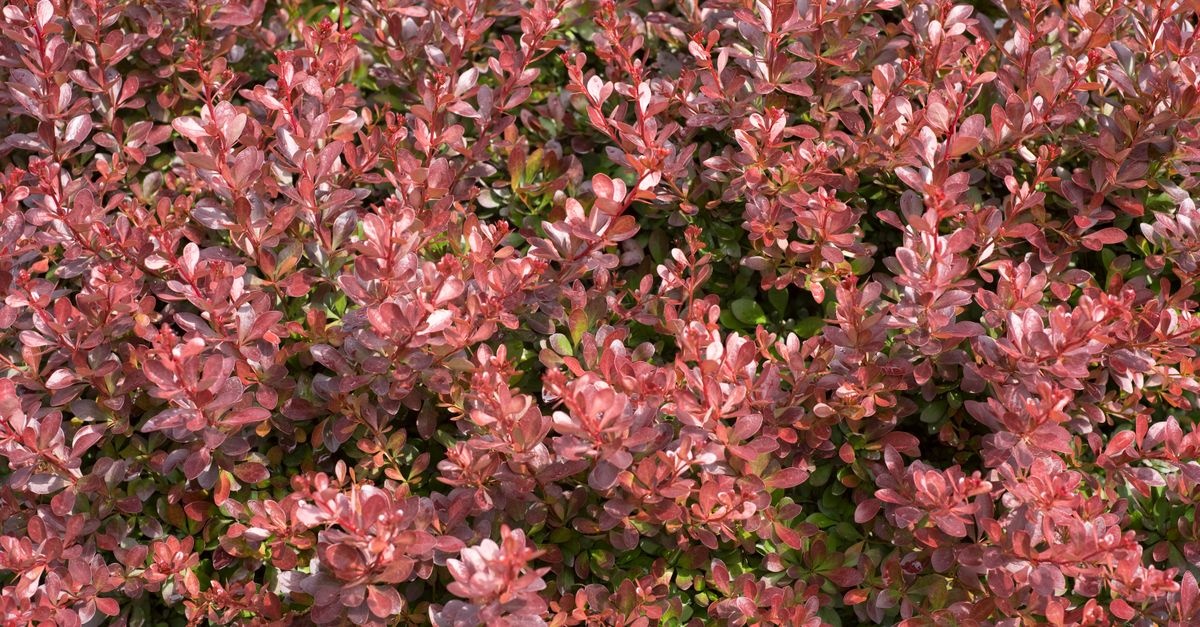
- Color beyond flowers: Rich burgundy, wine, chocolate-purple, copper, chartreuse, and neon-lime foliage add long-season saturation that perennials alone cannot match.
- Structure and shape: Naturally compact mounds, upright columns, or hedge-friendly forms create edges, anchors, and vertical punctuation.
- Low maintenance: Once established, many barberries are drought-tolerant and unbothered by deer, urban pollution, and salt spray.
- Seasonal interest: Spring flushes glow on orange or golden cultivars, summer color holds steady, and autumn can bring blazing foliage and bright berries (on fertile types).
- Design versatility: Use them in formal hedges, cottage borders, contemporary gravel gardens, containers, and foundation plantings.
- Wildlife notes: Flowers feed early pollinators; berries (on non-sterile kinds) can support birds—balanced with responsible planting guidance below.
Know Your Barberries: Species, Types, and Cultivars
Understanding species and growth habits helps you narrow choices quickly. Not all barberries behave the same—some are deciduous and colorful, others evergreen and architectural.
Deciduous Barberries
- Berberis thunbergii (Japanese barberry): The most widely used ornamental species for colorful foliage and compact size. Countless cultivars in purple, red, orange, and gold. Note: In many regions, this species is regulated due to invasiveness. Look for approved sterile or low-fertility cultivars where permitted, or choose alternatives. Check local rules before planting.
- Berberis x ottawensis (B. thunbergii x B. vulgaris hybrids): Larger, often vigorous shrubs with dramatic purple foliage (e.g., 'Superba'). Generally better for tall screens and back-of-border drama; also check regional guidance.
Evergreen and Semi-Evergreen Barberries
- Berberis julianae (Chinese barberry): Thorny, evergreen screens with deep green, lance-like leaves and orange-yellow spring flowers. Best for robust security hedges in milder climates.
- Berberis darwinii: Compact, glossy, and floriferous with vivid orange blooms; excellent in coastal or mild regions. Can form dense, wildlife-friendly thickets—use with awareness and check local advisories.
- Oregon grape (Berberis aquifolium, formerly Mahonia aquifolium): Evergreen, holly-like foliage, fragrant yellow flowers, and blue berries. Great for woodland edges and shady foundations; provides pollinator and bird value.
Habit Categories You Will Actually Shop For
- Dwarf mounds (about 30–60 cm tall): 'Concorde', 'Bagatelle', 'Crimson Pygmy', 'Golden Nugget', 'Admiration', 'Tiny Gold', and select Sunjoy series miniatures. Perfect for borders, edging, and containers.
- Medium mounds (60–120 cm tall): 'Rose Glow' (pink-splashed purple), 'Golden Ring', 'Limoncello', 'Sunjoy Tangelo'. Ideal for mixed borders and foundation planting.
- Upright/columnar (120–180+ cm tall): 'Orange Rocket', 'Helmond Pillar', 'Red Rocket'. Use as exclamation points, narrow hedges, or vertical accents.
- Tall screens (150–250+ cm tall): Vigorous hybrids or evergreen species like B. julianae; choose when privacy and security are priorities.
Tip: Many modern cultivars are bred for reduced or sterile fruiting. Where regulations apply, seek plants explicitly labeled sterile/low-fertility and listed by your state or regional authority.
Design-First Approach: Match the Shrub to the Garden Style
Start with the design goal, then pick the plant. Barberries are powerful tools; the right habit and color reinforce your style, while the wrong choice can feel jarring.
Formal Hedges and Structured Borders
- Goal: Clean lines, crisp edges, and repeated rhythm.
- Good fits: Dwarf mounds for low edging; columnar forms for tall, narrow hedges.
- Try: 'Concorde' or 'Golden Nugget' for neat, low outlines; 'Helmond Pillar' or 'Orange Rocket' for tight uprights; evergreen B. julianae for secure screens in mild climates.
- Spacing: 30–45 cm for low dwarfs; 45–60 cm for medium mounds; 60–90 cm for columns and tall screens.
Cottage and Pollinator-Friendly Borders
- Goal: Layered abundance with long-season color.
- Good fits: Medium mounds with variegation or glowing hues that contrast with perennials.
- Try: 'Rose Glow' paired with salvia, catmint, and daylilies; 'Sunjoy Tangelo' to bridge oranges and purples; Oregon grape for spring pollinator support in part shade.
Contemporary Minimal and Monochrome Schemes
- Goal: Bold silhouettes, restrained palettes, gravel or architectural hardscape.
- Good fits: Columnar or tight mounds in a single hue, massed for impact.
- Try: Repeating 'Orange Rocket' along a path; drifting 'Concorde' in gabion-edged beds; pairing deep burgundy barberries with steel, concrete, and silver-leaved companions like Artemisia.
Woodland Edge and Part-Shade Plantings
- Goal: Naturalistic structure with textural contrast.
- Good fits: Evergreen barberries and Oregon grape for year-round backbone; golden deciduous forms can still color in bright dappled light.
- Try: Oregon grape layered with ferns, heucheras, and spring bulbs; golden dwarfs as luminous pockets at path edges.
Xeriscape, Gravel, and Low-Water Designs
- Goal: High impact with minimal irrigation.
- Good fits: Heat- and sun-loving cultivars in rocky, fast-drained soils.
- Try: 'Golden Nugget' and 'Concorde' as color anchors amid ornamental grasses, alliums, and drought-hardy perennials like yarrow and lavender.
Family-Friendly and Safety-Conscious Yards
- Consider: Barberries are thorny. Avoid near play areas, narrow gateways, or poolside lounging zones.
- Solutions: Site them behind softer front-of-border plants; choose dwarf forms away from foot traffic; wear gloves and long sleeves when pruning.
Color Strategy: Foliage Fireworks Without the Clashes
Because barberries bring saturated foliage color, the surrounding palette makes or breaks the look. Use simple rules to keep harmony.
- Two-hue rule: Anchor the bed with two dominant foliage hues (e.g., burgundy and silver); let flowers play a secondary role.
- Hot–cool bridge: Orange or copper barberries (like 'Orange Rocket' or 'Sunjoy Tangelo') bridge warm yellows with cool purples and blues.
- Golden glow: Chartreuse dwarfs brighten shade and make blues and violets pop; avoid planting golds against pale walls where they get washed out.
- Textural contrast: Pair tight mounds with wispy grasses (Pennisetum, Panicum) or strappy irises to prevent visual heaviness.
- Seasonal sequencing: In spring, bulbs and heucheras play off fresh barberry flush; in summer, hold structure with shrubs and grasses; in fall, layer asters and sedums against barberry’s autumn color.
Size and Shape Cheat Sheet (No Table Needed)
- Edging, paths, front of border (25–45 cm tall): 'Bagatelle', 'Tiny Gold', 'Concorde', 'Admiration'.
- Foundation accents and mixed borders (60–90 cm): 'Crimson Pygmy', 'Golden Ring', 'Rose Glow', 'Limoncello'.
- Vertical punctuation and narrow hedges (120–180 cm): 'Orange Rocket', 'Helmond Pillar', 'Red Rocket'.
- Privacy and security (180–250+ cm): B. julianae hedges; vigorous hybrids where permitted.
Rule of thumb: Choose a mature size that fits your space with at least 20% wiggle room. Pruning should refine, not constantly fight, the plant’s natural habit.
Climate, Site, and Soil: Set the Stage for Success
- Hardiness: Many deciduous barberries thrive in USDA Zones 4–8 (check each cultivar). Evergreen forms vary—B. julianae often suits Zones 6–9; Oregon grape can reach Zones 5–8 or 9 depending on selection.
- Sunlight: Full sun (6+ hours) gives the best foliage color. In warm climates, afternoon shade prevents scorch on gold cultivars; purple forms keep color even with a bit of shade.
- Soil: Well-drained soil is essential. They tolerate a range of pH but may show chlorosis on very alkaline sites; amend with compost and consider acidifying fertilizers if needed.
- Water: Deep, consistent watering during the first season; after establishment, many cultivars need minimal supplemental irrigation.
- Wind and salt: Generally resilient to wind and urban conditions; rinse road salt from foliage when possible.
How to choose barberry shrubs for the garden: a clear, step-by-step framework
If you are wondering how to choose barberry shrubs for the garden without second-guessing yourself later, use this simple flow:
- Confirm legality and ecological fit: Check your state or regional invasive plant lists. Where restrictions apply, select approved sterile or low-fertility cultivars or choose non-invasive alternatives.
- Pin down purpose: Hedge, accent, vertical marker, groundcover, or container. Your purpose dictates habit and size.
- Match mature size to space: Measure bed depth and height allowances (windowsills, walkways, utilities). Choose a plant that fits with 20–30% margin.
- Pick foliage color strategy: One anchor color (e.g., burgundy) plus a contrasting echo (e.g., silver grasses) is easier than juggling four hues.
- Weigh evergreen vs. deciduous: Evergreen for winter backbone; deciduous for the strongest seasonal color changes.
- Audit light and microclimate: Full sun vs. part shade; hot walls; reflected heat from paving—choose cultivars accordingly.
- Set maintenance limits: If you dislike shearing, avoid hedge-only cultivars; choose naturally compact types.
- Plan spacing and count: For a dense hedge, space at 60–75% of mature spread; for accents, give room for air and light to preserve color.
- Source quality plants: Look for healthy root systems, labeled cultivars (including fertility status), and reputable growers.
Using this framework to decide how to choose barberry shrubs for the garden will reduce maintenance headaches and keep your design intentional.
Planting, Care, and Pruning Essentials
Planting Steps
- Timing: Plant in early spring or early fall in most climates; avoid extreme heat waves or frozen ground.
- Prep the hole: Dig a hole twice as wide as the root ball and no deeper; loosen sides to encourage root exploration.
- Amend smartly: Mix in compost if your soil is poor, but keep the backfill similar to native soil to avoid perched water tables.
- Set the crown: Place the plant so the top of the root ball sits level with or slightly above the surrounding grade.
- Backfill and water: Firm gently to remove air pockets; water deeply to settle soil.
- Mulch: Apply 5–8 cm of mulch, keeping it a few centimeters away from stems to prevent rot.
Water and Feeding
- Year 1: Water weekly (more in hot spells) to build deep roots.
- After establishment: Water during prolonged drought only. Overwatering dulls color and weakens plants.
- Fertilizer: Use a balanced, slow-release fertilizer in early spring if growth is sluggish; otherwise, compost top-dressing is sufficient.
Pruning Calendar and Methods
- Timing: Late winter to early spring for structural cuts; light touch-ups after the first flush if shearing a formal hedge.
- Technique: Thin by removing a few older stems at the base to maintain light and color inside the plant; avoid heavy top-only shearing which creates a thin shell of foliage.
- Rejuvenation: Overgrown shrubs can be cut back by one-third to one-half in late winter; they respond with dense new growth.
- Safety: Wear sturdy gloves, long sleeves, and eye protection; dispose of thorny clippings carefully.
Containers and Small Spaces
- Pot size: Choose a container at least twice the width of the nursery pot with ample drainage.
- Soilless mix: Use a high-quality, free-draining container mix; elevate pots slightly for winter drainage.
- Watering: Container plants dry faster—check moisture weekly in growing season.
- Overwintering: In cold zones, insulate pots or move them to a protected location; roots are less hardy than tops.
Sustainable and Legal Considerations
- Regulations: Some barberries, particularly Berberis thunbergii and its fertile cultivars, are restricted or banned in parts of North America due to invasiveness and ecological concerns. Always verify your local rules before purchasing.
- Sterile/low-fertility cultivars: Many regions allow only tested, approved sterile or low-fertility cultivars. Labels and retailer guidance vary—ask for documentation and local approval lists.
- Tick habitat and site hygiene: Dense, shady thickets of certain barberries have been associated with higher tick densities in some studies. Keep plantings thinned for airflow, manage leaf litter, and avoid creating dense, unattended thickets near recreation areas.
- Wildlife balance: Berries can feed birds; sterile cultivars reduce unintended spread. Where wildlife support is a goal, consider Oregon grape or native shrubs as companions.
- Responsible disposal: Bag fruiting clippings; do not dump yard waste in natural areas.
- Alternatives where barred: Similar color/texture roles can be filled by ninebark (compact purple or amber cultivars), spiraea (gold foliage forms), smokebush (dwarf), and evergreen box honeysuckle hybrids—verify local suitability.
Common Mistakes to Avoid
- Ignoring mature size: Planting a medium barberry where a dwarf was needed leads to constant pruning and a boxy look.
- Planting without checking regulations: Always confirm legality and choose approved selections where required.
- Over-shearing: Tight shearing starves the interior of light; thin selectively to keep color vibrant.
- Too much shade for gold cultivars: They green out and lose impact; give them bright light or choose darker foliage forms for part shade.
- Waterlogging: Poor drainage invites root issues. Amend and raise the planting area if needed.
- Thorns near traffic: Keep away from narrow paths, mailboxes, or play zones.
Design Recipes You Can Steal
1) Graphite and Ember Entry Bed (Full Sun)
- Structure: 3–5 'Orange Rocket' barberries in a staggered drift.
- Contrast: Clumps of blue fescue and silvery artemisia at the base.
- Seasonal sparkle: Allium bulbs for late spring pops.
- Mulch: Charcoal gravel for a modern finish.
2) Luminous Woodland Edge (Part Shade)
- Backbone: Oregon grape grouped in drifts for evergreen presence.
- Glow: 'Tiny Gold' barberries at path edges to catch filtered light.
- Understory: Ferns, epimediums, and spring bulbs for texture and seasonal layers.
3) Low Ribbon Hedge for a Formal Walk (Full Sun)
- Hedge: 'Concorde' spaced 30–40 cm apart for a tight, dark-purple ribbon.
- Counterpoint: Boxwood balls behind to add shape play without color conflict.
- Accent: White tulips in spring, clipped lavender in summer.
4) Sunset Foundation Planting (Sun to Part Sun)
- Anchor: 'Rose Glow' and 'Sunjoy Tangelo' alternating to create variegated depth.
- Filler: Spiraea 'Goldmound' for soft golden mounds.
- Texture: Dwarf fountain grass for movement.
Quick Sizing and Spacing Math
- Hedge count: Length of hedge (meters) ÷ spacing (meters) = number of plants. Add 10% for losses or tighter fill.
- Spacing guide: Dwarfs 30–45 cm; mediums 45–60 cm; columns/tall screens 60–90 cm. Reduce spacing by 10–15% for very tight hedges.
Barberry Care, Pests, and Troubleshooting
- Chlorosis (yellowing leaves): Often high pH or poor nutrition; add chelated iron and compost, improve drainage.
- Aphids/scale: Rarely severe; blast aphids with water or use horticultural oil in early spring if needed.
- Leaf scorch: Gold cultivars in intense afternoon sun or reflected heat; provide light afternoon shade or mulch and deep water during heat waves.
- Dieback after severe pruning: Usually temporary; barberries rebound vigorouly from late-winter cuts.
Frequently Asked Questions
Are barberries good for hedges?
Yes. Their dense branching and thorns make effective privacy or security hedges. Choose columnar or tall, vigorous types for screens, or dwarfs for low edging. Space according to mature spread and your desired density.
Which barberry is best for small gardens or containers?
Compact cultivars like 'Concorde', 'Bagatelle', 'Tiny Gold', and some Sunjoy miniatures excel in pots and tight beds. Use quality potting mix and ensure winter root protection in cold zones.
Do barberries need full sun to color well?
Full sun yields the strongest purple, red, and gold tones. Purple forms tolerate a bit of shade; golds need bright light to stay vivid.
What about invasiveness?
In some regions, certain barberries—especially fertile Berberis thunbergii types—are considered invasive. Choose approved sterile or low-fertility cultivars where permitted, or plant non-invasive alternatives. Always verify local regulations.
Are barberries deer resistant?
Generally yes; the thorns and foliage deter browsing, making them reliable in deer-prone areas.
Final Checklist: Your Barberry Selection, Step by Step
- Legal check completed; sterile/approved cultivar chosen if required.
- Design goal defined: hedge, accent, column, or container.
- Right size/habit matched to space (with 20–30% margin).
- Color palette simplified to one anchor hue plus a contrast.
- Sun/soil conditions confirmed; drainage assured.
- Maintenance comfort aligned with natural plant habit.
- Spacing and quantities calculated for desired density.
- Plant quality verified at purchase; labeled cultivar and fertility status on tag.
Conclusion: From Hedges to Highlights, Confidence in Every Choice
When you match habit, color, and care needs to your site and style—and respect local ecological guidance—barberries reward you with exceptional, long-season impact at low maintenance. Use the framework above to determine how to choose barberry shrubs for the garden that will thrive: confirm legality, define your purpose, right-size the plant, and commit to a simple color strategy. With those decisions made, your only surprise will be how much year-round polish these shrubs bring to your landscape.
At-a-Glance Recommendations
- Best low hedge: 'Concorde' or 'Golden Nugget' (sun), spaced 30–40 cm.
- Best vertical accent: 'Orange Rocket' or 'Helmond Pillar' (sun to light shade).
- Best cottage mix: 'Rose Glow' (sun), intertwined with perennials.
- Best part-shade evergreen: Oregon grape for woodland edges.
- Where regulated: Seek approved sterile/low-fertility cultivars or non-invasive alternatives like compact ninebark or golden spiraea.
Choose confidently, plant thoughtfully, and enjoy the color, character, and structure barberries bring—from tidy hedges to standout highlights—season after season.