There’s never been a better time to bring clean energy home. Yet the smartest path isn’t always obvious: should you install solar panels, switch to a high-efficiency heat pump, add a battery, look at small wind, or join a community solar program? If you’re wondering how to choose the best renewable energy source for your home, this deep, practical guide walks you through a clear decision process. You’ll learn how to align options with your climate, roof and yard constraints, utility rates, comfort needs, and budget—so you can power up wisely and enjoy durable savings.
Quick Start: What You’ll Get From This Guide
This article shows you how to evaluate your home, compare technologies, understand incentives, and build a financially sound plan. You’ll find plain-language explanations, helpful rules of thumb, and a simple decision framework. Whether you rent an apartment, own a suburban home, or manage a rural property, you’ll discover a mix that fits your life and budget.
- Clarity on when solar PV shines—and when other solutions beat it
- Budget-smart steps starting with efficiency for fastest payback
- Regional guidance so your choice fits climate and utility rates
- Decision checklist and examples you can copy
How to Evaluate Your Home and Goals
Before diving into technologies, do a quick diagnostic. The best clean energy setup starts with the home you have today and the life you plan to live over the next 10–20 years. That’s the foundation for choosing the best renewable energy for your home without overspending.
1) Establish Your Energy Baseline
- Gather 12–24 months of bills. Note average monthly kWh for electricity and therms/gal/cords for heating fuels. Look for seasonal swings.
- Estimate major loads. HVAC, water heating, EV charging, pool pump, well pump, dehumidifiers, and always-on electronics.
- Note your rate structure. Do you have time-of-use (TOU) pricing, demand charges, or tiered rates? This shapes the value of solar and batteries.
- Consider near-future changes. EV purchase, remote work, new family members, retiring energy-hungry appliances, or adding AC.
A free or low-cost home energy audit (utility or contractor) can reveal insulation gaps, duct leaks, and appliance inefficiencies, often beating the return of new generation by reducing waste first.
2) Map Your Site: Roof, Yard, and Zoning
- Roof orientation and shading. South-facing roofs with minimal shade are top-tier for solar PV; east/west works well too with slightly lower output. Check roof age; if it’s due for replacement in 5–10 years, coordinate roofing and PV once.
- Ground space and setbacks. For ground-mount solar, wind, or geothermal loops, confirm property lines, easements, and local setback rules.
- Wind resource and height limits. Small wind only performs in consistently windy areas and often needs a tall tower. Verify zoning and noise rules.
- Water resource for micro-hydro. A year-round flow with adequate head can beat solar in some remote sites, but you’ll need permits and ecological care.
3) Budget, Financing, and Risk Tolerance
- Cash vs. financing. Cash maximizes savings; low-interest loans or on-bill financing preserve cash flow. For solar, leases and PPAs can work if you value low upfront cost.
- Tax position. Can you use federal/state tax credits? If not, consider third-party ownership or community solar.
- Time horizon. Plan to stay 7–15 years? Bigger retrofits (PV, heat pumps, geothermal) usually pay back within that window depending on rates and incentives.
- Risk appetite. Batteries and wind have more performance variability than heat pumps and insulation. Choose accordingly.
Your Renewable and Efficiency Options: What Fits Where
Below is a practical overview of leading options. Use it to compare performance, suitability, cost factors, and how each integrates into your home. This is the core of how to choose the best renewable energy source for your home—understanding fit, not just hype.
Solar Photovoltaics (Rooftop or Ground-Mount)
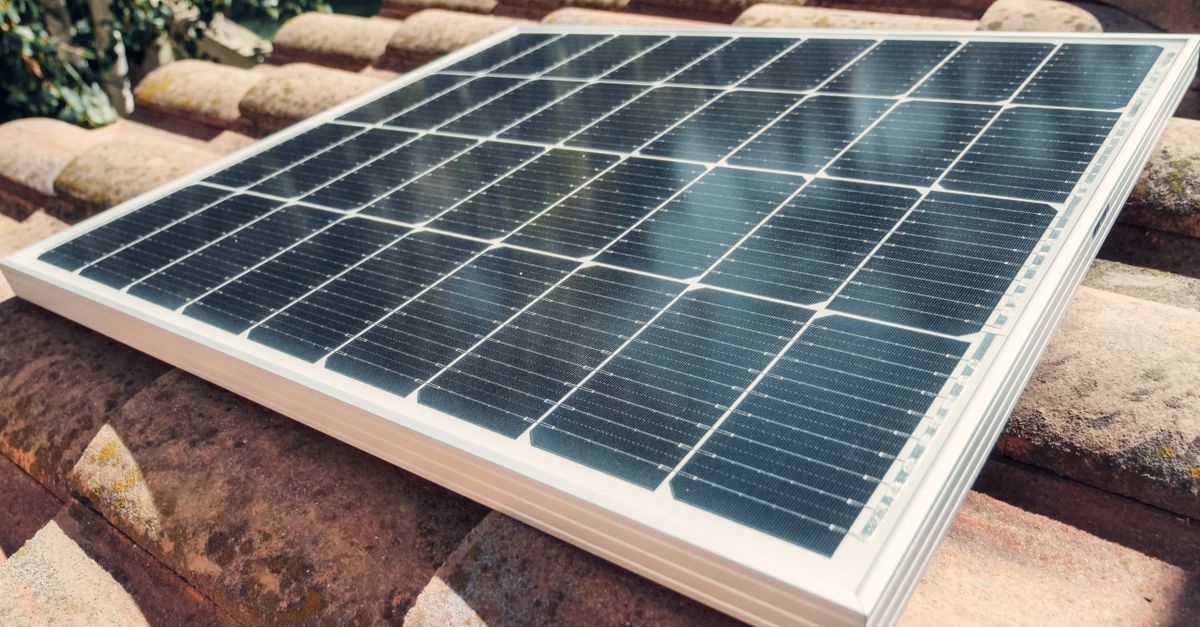
Best for: Most homes with unshaded roof or land; highest adoption; modular and scalable.
- Pros: Predictable output, low maintenance, 25-year panel warranties, falling costs, pairs well with EVs and heat pumps.
- Cons: Needs good sun; output varies with season and latitude; may require roof upgrade; interconnection paperwork.
- Cost factors: System size (kW), roof complexity, local labor rates, incentives, net metering policy, and module/inverter choice (string vs. microinverters).
- Smart tips: If TOU rates spike at night, consider a small battery to time-shift solar. East/west arrays can better align with morning/evening loads.
Solar PV often delivers the lowest levelized cost of energy (LCOE) for electricity in sunny or high-rate regions. In cloudy climates with lower electricity prices, PV still works but the value may depend more on incentives and TOU arbitrage.
Solar Thermal (Domestic Hot Water and Pool)
Best for: Homes with high hot-water demand, sunny climates, or pools.
- Pros: Very efficient at capturing heat; pool heating payback can be fast; reduces gas or electric water heating costs.
- Cons: Fewer incentives in some areas; more plumbing complexity; may need freeze protection.
- Tip: Compare against heat pump water heaters, which are highly efficient and simpler to integrate.
Air-Source Heat Pumps (ASHP) and Ductless Mini-Splits
Best for: Electrifying space heating/cooling in most climates; replacing or supplementing furnaces and AC.
- Pros: 2–4x more efficient than resistance heat; provides efficient cooling; rebates common; great partner for PV.
- Cons: Performance dips in extreme cold (look for cold-climate models); ductwork or multi-head design may be needed.
- Note: In regions with high gas prices or carbon-intensive grids, heat pumps can cut both bills and emissions quickly.
Ground-Source (Geothermal) Heat Pumps
Best for: Cold climates or places with high heating loads; when you have land for loops or can use vertical boreholes.
- Pros: Highest efficiency for space heating and cooling; steady performance regardless of weather; long life.
- Cons: Higher upfront cost and site work; permitting; requires skilled installers.
- Tip: Excellent long-term investment if you’ll stay in the home 10+ years and can access strong incentives or low-cost financing.
Small Wind Turbines
Best for: Rural, consistently windy sites with few obstructions; large properties where towers are allowed.
- Pros: Works day and night; complements solar in some seasonal patterns.
- Cons: Needs strong average wind speed (often 5–6 m/s+ at hub height); ongoing maintenance; zoning and aesthetics concerns; actual output frequently below brochure ratings.
- Rule of thumb: If you need a tower under 20–30 m due to zoning, or your site has turbulence from trees/buildings, PV often beats wind.
Micro-Hydro (Run-of-Stream)
Best for: Off-grid or rural properties with reliable year-round flow and adequate head.
- Pros: Very high capacity factor; can outperform solar in winter; all-weather generation.
- Cons: Permitting, ecological impacts, intake maintenance, seasonal variability, and site specificity.
Biomass, Wood, and Pellet Systems
Best for: Rural homes with fuel access; backup heat where electricity is unreliable.
- Pros: Can be cost-effective when fuel is local; modern stoves/boilers are efficient; provides resilient heat.
- Cons: Air quality concerns, fuel handling and storage, regular maintenance, and emissions regulations.
- Tip: Consider hybrid setups: a heat pump for everyday efficiency, biomass as emergency/peak backup in very cold snaps.
Community Solar and Green Power Tariffs
Best for: Renters, shaded roofs, HOAs with restrictions, or anyone wanting hassle-free participation.
- Pros: No roof work, transferable subscriptions, often immediate savings, supports local renewable development.
- Cons: Contract terms vary; savings may be modest versus owning rooftop PV; availability differs by region.
Efficiency First: The Multiplier on Every Renewable
Before you size solar or pick a battery, harvest the “negawatts.” It’s the least expensive way to cut bills and emissions, and it often unlocks smaller, cheaper renewable systems.
- Weatherization: Air sealing, attic insulation, duct sealing, and window improvements slash heating/cooling loads.
- Smart controls: Smart thermostats, load shifting for EV charging, water heating timers, and demand response enrollment.
- Appliance upgrades: Induction cooking, heat pump water heaters, ENERGY STAR fridges/dryers, LED lighting.
Every kWh you avoid buying makes solar arrays smaller, heat pumps cheaper to operate, and batteries last longer. This is central to choosing the right renewable for your home with a healthy return.
Sizing and Performance: Get the Math Right
Even a ballpark model helps you compare options apples-to-apples. You don’t need to be an engineer—just frame the economics and outputs with a few practical metrics.
Key Metrics and Concepts
- Annual production (kWh or BTU): What you expect to generate. Tools like PVWatts or manufacturer performance maps are handy.
- Capacity factor: Actual average output as a percentage of nameplate. Rooftop PV might be 12–22% depending on location; small wind is often lower than advertised.
- Self-consumption vs. export: Electricity you use on-site is usually more valuable than exports, especially where net metering is reduced.
- Payback period and IRR: Years until savings equal cost, and the return rate on your investment.
- LCOE (Levelized Cost of Energy): Lifetime cost per unit of energy from your system; powerful for comparing PV vs. grid electricity and vs. other renewables.
Right-Sizing Solar PV
- Match loads, not bragging rights. Size to cover your annual usage minus future efficiency upgrades; oversizing can reduce value if export credits are weak.
- Consider future electrification. If you’ll add an EV or heat pump, reserve roof space or pre-wire to expand later.
- Prioritize orientation and shading. A smaller unshaded array can outperform a larger shaded one.
Heat Pump Sizing Essentials
- Manual J load calculations: Ask installers for proper sizing; avoid oversized units that short-cycle.
- Cold-climate models: In freezing regions, select units with strong low-temp capacity and optional base-pan heaters.
- Distribution fit: Ductless heads for targeted zones, ducted systems for whole-home comfort.
Incentives, Interconnection, and Policy Signals
Policies and incentives can make or break project economics. Understanding them is crucial to how to choose the best renewable energy source for your home in a way that fits your budget.
Common Incentives
- Tax credits and rebates: Federal, state, and utility programs for solar, batteries, heat pumps, weatherization, and EV chargers.
- Low-cost financing: PACE, green loans, on-bill financing, and special-rate programs for electrification.
- Feed-in tariffs and performance payments: Pay you per kWh/BTU, sometimes above retail, for exported energy or verified savings.
Interconnection and Net Metering
- Net metering basics: Full retail credit is ideal; some regions use net billing at lower export rates.
- Time-of-use synergy: Solar produces mid-day; if peak prices are evenings, batteries or load shifting increase value.
- Application timelines: Start paperwork early to avoid delays; reputable installers manage this.
Storage and Smart Controls: Squeeze More Value From Renewables
Storage increases self-consumption and resilience. But it’s not one-size-fits-all.
Home Batteries
- Use cases: Backup power, TOU arbitrage, maximizing solar self-use, and demand charge reduction.
- Economics: Strongest where outages are frequent or TOU/demand charges are high. Pair with critical loads panel for right-sizing.
- Integration: Solar-first, then battery; or battery-first if you want outage protection now and PV later.
Thermal Storage and Load Flexibility
- Preheating/precooling: Run heat pumps when rates are low or sun is strong; coast through peaks.
- Heat pump water heaters: Built-in tanks act like batteries for hot water; run on timers.
- EV smart charging: Align with solar output or off-peak rates to slash fuel cost per mile.
Climate- and Home-Type Playbooks
Location matters. Here’s how to adapt your plan to different settings and lifestyles when you’re deciding which renewable fits your home.
Sunny, Arid, or High-Rate Regions
- Go-to stack: Rooftop PV + heat pump water heater + smart thermostat; consider battery for TOU arbitrage.
- Why: Strong sun and high retail rates favor solar; electrified hot water and cooling deliver fast savings.
Cloudy Coastal or Northern Latitudes
- Go-to stack: Air-source heat pump (cold-climate) or geothermal + weatherization + right-sized PV.
- Why: Heating dominates energy spend; efficient electrification yields big gains, while PV still offsets annual load.
Very Cold Climates
- Go-to stack: Geothermal or cold-climate ASHP, deep insulation upgrades, smart controls; optional biomass backup.
- Why: Heat pumps and insulation curb huge heating costs; PV helps across the year, though winter output is lower.
Humid Subtropical
- Go-to stack: High-SEER heat pumps, dehumidification, reflective roofing, PV sized to AC peak, HPWH to off-peak.
- Why: Managing humidity and cooling loads is key; solar aligns with daytime AC demand.
Urban Apartments and Condos
- Go-to stack: Community solar subscription, induction cooking, efficient mini-splits (if allowed), window upgrades.
- Why: Limited roof access; off-site renewables and in-unit efficiency deliver savings without renovations.
Rural and Off-Grid Properties
- Go-to stack: PV + battery + generator backup; consider micro-hydro if site allows; robust weatherization.
- Why: Reliability and autonomy drive design; steady micro-hydro can dramatically cut battery and generator sizing.
Environmental, Comfort, and Lifestyle Considerations
Beyond bills, renewables change how your home feels and functions.
- Carbon and air quality: Electrifying heat and hot water cuts local combustion. Induction cooking removes gas stove emissions.
- Noise and aesthetics: Inverters and heat pumps are quiet but not silent; small wind can add sound and visual impact.
- Comfort and resilience: Better insulation, heat pumps, and batteries maintain comfort through outages and weather extremes.
A Pragmatic Decision Framework
Here’s a simple pathway for anyone asking, “How to choose the best renewable energy source for your home?” Follow these steps and you’ll land on a plan that fits your life and budget.
Step-by-Step Checklist
- 1) Audit and baselines: Collect bills, note rates, and get an energy audit.
- 2) Quick efficiency wins: Air seal, insulate, LED lighting, smart thermostat, and appliance upgrades.
- 3) Electrify major loads: Prioritize heat pumps for space and water heating where they beat fossil costs.
- 4) Fit the renewable to your site: Rooftop PV if sun and roof allow; community solar if not.
- 5) Model payback: Use conservative production and current rate forecasts; include incentives.
- 6) Plan for resilience: If outages hurt, size a battery for critical loads; otherwise skip or keep small.
- 7) Stage the project: Do weatherization first, then heat pumps, then PV/battery; or bundle if incentives align.
- 8) Get multiple quotes: Compare equipment, warranties, production estimates, and service reputation.
Real-World Scenarios
Scenario A: Suburban Family, Sunny Region, Rising TOU Rates
Profile: 2,400 sq ft home, air conditioning loads spike in summer, EV arriving next year, TOU peak 4–9 p.m.
- Plan: Weatherization tune-up + 7 kW PV + heat pump water heater + 10 kWh battery.
- Why it works: PV slashes daytime grid use; HPWH cuts gas/electric water heating; battery shifts solar to evening peaks and covers short outages.
- Outcome: Solid payback, strong carbon reduction, comfort upgrade, and EV charging largely on solar.
Scenario B: Cold-Climate Home, Oil Heat, Shaded Roof
Profile: 1,900 sq ft, mature trees shade roof, high oil bills, stable electricity rates.
- Plan: Deep insulation + cold-climate ASHP + community solar subscription.
- Why it works: Heat pump and insulation cut heating costs big-time; community solar provides clean power savings despite roof shade.
- Outcome: Lower bills without roof work; comfortable winters; measurable emissions drop.
Scenario C: Rural Property With Stream and Frequent Outages
Profile: 3 acres, reliable year-round stream, outages several times a year.
- Plan: Micro-hydro (site permitting) + modest PV + battery bank; high-efficiency appliances.
- Why it works: Hydro offers steady baseload; PV covers sunny days; batteries bridge outages and nights.
- Outcome: High resilience, smaller battery than PV-only design, strong off-grid potential.
Common Mistakes to Avoid
- Skipping the audit: Oversizing solar or heat pumps because of unaddressed drafts and insulation gaps.
- Chasing the biggest system: Bigger isn’t always better if export credits are weak.
- Ignoring TOU/demand charges: Missed savings from load shifting or right-sized storage.
- Underestimating permits/interconnection: Start paperwork early; pick installers who handle it well.
- One-quote decisions: Always compare multiple bids, equipment specs, and warranties.
Frequently Asked Questions
Is rooftop solar still worth it where net metering has changed?
Often yes—especially with daytime loads, a heat pump water heater, or a modest battery. Self-consumption is the new king. Panel costs remain low, and TOU optimization can add value.
Heat pump vs. furnace: which is cheaper to run?
In most regions, modern heat pumps beat oil/propane and can rival or beat gas depending on electricity rates and climate. Weatherization multiplies the savings.
Do I need a battery with solar?
No. Batteries add resilience and TOU benefits but aren’t mandatory. Many homes start with PV and add storage later as rates or reliability justify it.
What if my roof is old?
Coordinate roof replacement with solar. Some installers roll roof work into financing. Consider ground-mount PV if you have space.
How do I compare bids?
Look at total system price per watt/ton, production estimates, equipment brands and warranties, installer reputation, and service commitments. Avoid unrealistic output claims.
A Simple Decision Tree
Use this quick flow to refine how to choose the best renewable energy source for your home:
- 1) Can you reduce loads 10–30% cheaply? Yes → do it first. No → move on.
- 2) Heating is your biggest bill? Yes → prioritize heat pump (air-source or geothermal) and envelope upgrades. No → consider PV first.
- 3) Sunny, low-shade roof or land? Yes → size PV to match loads and future EV/HP; add battery if TOU/outages justify. No → explore community solar.
- 4) Unique site resource? Strong wind or stream → evaluate small wind/micro-hydro with professional assessment.
- 5) Need resilience? Add battery for critical loads or maintain a generator as backup.
Costs, Payback, and Financing Tips
The right financing can turn upgrades cash-flow positive from day one.
- Stack incentives: Combine federal credits, state rebates, utility programs, and low-interest loans.
- Consider staged projects: Do envelope/controls this year, heat pump next, PV the year after—locking in savings and learning as you go.
- Use realistic assumptions: Conservative production, modest rate inflation, proper maintenance; avoid rosy projections.
- Value non-bill benefits: Comfort, resilience, property value, and reduced maintenance also matter.
Putting It All Together
There isn’t a single “best” renewable for every household. The best fit depends on your loads, climate, site, incentives, utility rates, and comfort goals. In practice, most homes will get the strongest, most reliable savings from a stack like: weatherization + heat pump(s) + right-sized solar PV, optionally paired with a modest battery. Renters or shaded-roof homeowners can still win with community solar and in-unit efficiency. That’s the essence of choosing the best renewable option for your home—a tailored mix, not a one-trick pony.
As a final step, write your personal plan in one page:
- Current baseline: Annual kWh and heating fuel use; key loads.
- Efficiency first: Three upgrades you’ll do in 3–6 months.
- Electrify: Which heat pump or water heater and when.
- Generation: PV size target (kW) or community solar enrollment; storage if needed.
- Budget and incentives: Estimated cost, rebates/credits, and financing plan.
- Installer shortlist: 2–3 vetted pros for quotes.
Conclusion: Power Up Wisely
If you’ve read this far, you already know the secret to how to choose the best renewable energy source for your home: start with efficiency, then electrify heating/cooling, and finally add the generation and storage that fit your site and rate structure. This approach lowers risk, boosts comfort, and maximizes ROI. In other words, you’ll power up your home wisely—on your terms and within your budget.
Next steps:
- Schedule a home energy audit and collect your last 12 months of utility bills.
- Decide on your 3 top priorities (bill savings, resilience, carbon, comfort).
- Get at least two quotes for heat pumps and solar; ask for production and payback estimates you can compare.
- Pick the staged plan that feels right and start with the highest ROI step this quarter.
When you build from fundamentals and local realities, you don’t just “go green”—you go smart. That’s how you find the renewable that truly fits your life and budget.