Turning a pocket-sized plot, balcony, or slim side yard into a peaceful retreat is easier than it looks. With the right mix of compact, tough, and beautiful choices, you can craft a restful oasis that does not demand constant attention. This guide focuses on small-space serenity by curating easy-care plants, design strategies, and practical, low-effort routines. Whether you tend a container courtyard or a micro border, you will find ideas that fit your space, time, and climate.
Why tiny gardens deserve big design energy
Small gardens amplify every choice. A single well-chosen shrub can provide year-round structure, while a handful of perennials can supply continuous color. The goal is to select plants and layouts that deliver maximum impact with minimal fuss. The beauty of Low‑maintenance plants for small gardens is that they combine resilience with style, leaving you more time to enjoy the calm you have created.
The benefits of low-effort planting
- More time to enjoy your space rather than maintaining it.
- Lower costs on water, fertilizers, and pest control.
- Consistent beauty from compact, reliable plants across seasons.
- Reduced waste as durable choices live longer in containers and tight beds.
What low maintenance really means
Low maintenance does not mean no maintenance. It means choosing plants and methods that require less frequent watering, pruning, staking, feeding, and pest control. In other words, they thrive with basic care. For truly easy-care gardens, prioritize plants that are drought-tolerant once established, resist common pests and diseases, and maintain a tidy habit without frequent trimming.
How to choose plants for compact spaces
Before buying, assess your site and your schedule. The best Low‑maintenance plants for small gardens succeed because they match the space and care you can provide.
Sun, shade, and microclimates
- Full sun: 6 or more hours of direct sun. Great for Mediterranean herbs, succulents, and many compact shrubs.
- Part shade: 3 to 5 hours of direct sun or bright dappled light. Ideal for heucheras, dwarf grasses, and many ferns.
- Deep shade: Little to no direct sun. Choose cast iron plant, certain ferns, and glossy evergreens adapted to low light.
- Wind and heat: Balconies and rooftops can be harsher; prioritize tough, drought-tolerant picks and sturdy containers.
Container or ground
In very small spaces, containers rule. They let you curate soil, improve drainage, and move plants as light shifts. For beds and borders, focus on dwarf cultivars and groundcovers that will not crowd pathways. Look for terms like dwarf, compact, patio, or miniature in plant descriptions.
Foliage first, flowers second
Flowers come and go, but foliage is forever. In snug spaces, foliage color and texture create lasting harmony. Mix silvery leaves with glossy greens, or pair chartreuse accents with deep burgundy. Plants that shine for their leaves often perform well as low-maintenance plants for small gardens because they look good without deadheading marathons.
The ultimate easy-care shortlist by light level
The following plants are proven performers in tight quarters. Always check your local growing zone and conditions, but these choices are broadly adaptable and unfussy.
Full sun champions
- Lavender varieties like Hidcote or Munstead: Compact, fragrant, drought-tolerant, and bee-friendly. Shear lightly after bloom for a neat mound.
- Rosemary prostrate types: Cascading habit for pots and walls, aromatic foliage, edible sprigs. Minimal watering once established.
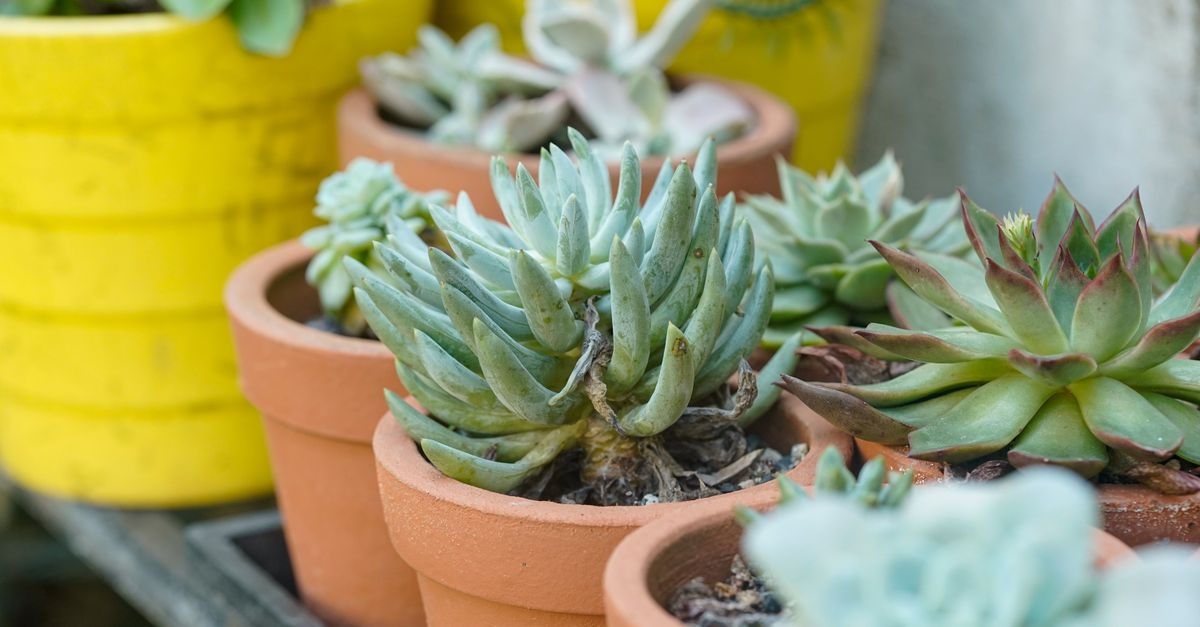
- Sedum and stonecrop: Succulent foliage, vivid late-summer flowers, and incredible drought resilience. Excellent in shallow containers.
- Thyme creeping forms: Edible groundcover with tiny flowers that pollinators adore. Thrives in cracks and borders with little care.
- Dwarf conifers such as Mugo pine Mops or dwarf Alberta spruce: Evergreen structure, slow growth, minimal shaping required.
- Cistus rockrose: Sun-loving, semi-evergreen shrub with papery blooms and excellent drought tolerance.
- Santolina lavender cotton: Silvery mounds, button flowers, and low-water needs make it a classic for tidy sun pockets.
- Agave and hardy aloes in warm or frost-free climates: Sculptural, low watering, and striking silhouettes for modern schemes.
Part shade performers
- Heuchera coral bells: Colorful foliage from lime to near-black, tidy clumps, and minimal deadheading.
- Carex sedges: Graceful, fine texture, evergreen types available, and good tolerance of containers and light shade.
- Bergenia pig squeak: Glossy leaves that redden in cold, spring flowers, and tough constitution.
- Nandina Firepower or Gulf Stream: Compact, colorful foliage through the seasons with very little pruning.
- Japanese forest grass Hakonechloa: Arching, golden ribbons that soften edges; prefers consistent moisture but low fuss otherwise.
- Fatsia compact forms: Glossy, bold leaves for a lush look in sheltered, bright shade.
Deep shade survivors
- Aspidistra cast iron plant: Lives up to its name in pots or sheltered beds with nearly indestructible leaves.
- Asplenium and other ferns: Elegant fronds, low-light specialists; trim old fronds once or twice a year.
- Mahonia Soft Caress: Fern-like foliage, winter flowers for pollinators, and neat, compact habit.
- Japanese aralia select dwarfs: For very sheltered shade, brings tropical vibes without constant care.
Edibles that behave in small spaces
Edibles can be some of the best low-maintenance plants for small gardens when you choose compact, forgiving varieties. Bonus: you harvest from your doorstep.
- Chives: Clump-forming, perennial, pest-resistant, and great in containers.
- Thyme: Stays small, tolerates drought, and doubles as edging.
- Strawberries alpine or everbearing: Small plants with charming fruit and minimal fuss.
- Mint: Vigorous but easily contained in its own pot; harvest frequently.
- Compact chilies: Productive in sunny pots; water consistently and feed lightly in summer.
- Rosemary and oregano: Evergreen herbs that thrive in lean soil and sunshine.
Evergreen structure for year-round calm
Evergreens anchor tiny gardens with lasting form and color. For serene style and easy care, consider these structural stalwarts.
- Dwarf box alternatives such as Ilex crenata or Euonymus microphylla: Tidy mounds or low hedges with less pest pressure.
- Skimmia compact forms: Fragrant blooms, berries on female plants, and shade tolerance.
- Hebe dwarfs: Neat domes with flowers for pollinators and colorful foliage in cool weather.
- Pittosporum little balls: Small-leaf varieties clip into spheres with minimal trimming.
Vertical gardening in a footprint of inches
When ground is scarce, go up. Trellises, wall pockets, and railing planters multiply space, create privacy, and soften hard edges.
- Star jasmine Trachelospermum jasminoides: Evergreen climber with intoxicating summer scent and modest growth in containers.
- Clematis compact selections: Choose patio clematis that flower on new growth for simple pruning.
- Ivy restrained forms: Use in contained planters or trained on frames; brighten shade with variegated leaves.
- Strawberry towers or pocket planters: Edible, ornamental, and space-smart.
Design strategies for small-space serenity
Composition can make a few square feet feel expansive. Use repetition, scale, and restraint to create calm.
Repetition and rhythm
Repeat a short palette of plants and colors. For example, echo silvery lavender with a gray container and a drift of sedum. Repetition unifies a tight space without clutter.
Scale and proportion
Use one or two bolder, larger elements, then echo with smaller companions. A single dwarf conifer in a handsome pot can be a focal point that anchors a vignette of heucheras and sedges.
Color for calm
Limit bright hues to accents. Cool greens, silvers, and soft whites create a restful mood. Flower color can rotate through the year while the foliage palette stays cohesive.
Texture matters
Combine fine textures like grasses with broad leaves like bergenia. Texture contrast adds depth without visual noise.
Soil, water, and containers: low-maintenance foundations
Great containers and soil mixes do more heavy lifting than any tool. Invest here and most care becomes easy.
Container choices
- Self-watering planters: Reservoirs reduce watering frequency and buffer heat.
- Lightweight materials: Fiberglass or resin are balcony-friendly, easy to move, and insulate roots.
- Right size: Slightly larger than the root ball gives plants room to grow and stay moist longer.
- Drainage: Ensure adequate holes; add pottery feet to lift pots from paving.
Soil mix recipe for containers
- 2 parts high-quality peat-free potting mix
- 1 part compost for nutrients and microbiology
- 1 part perlite or pumice for drainage
- Optional: a handful of slow-release organic fertilizer at planting
Watering the easy way
- Water deeply and less often to encourage deep roots.
- Finger test: Water when the top 2 to 3 cm are dry for most plants.
- Mulch: A thin layer of fine gravel or bark on top of soil reduces evaporation and enhances looks.
- Group by needs: Keep thirsty plants together; drought lovers elsewhere.
Plant profiles: compact, resilient, and beautiful
These concise profiles highlight why each pick belongs in a serene, compact garden with minimal care.
Lavender Hidcote
- Light: Full sun
- Size: 40 to 60 cm tall and wide
- Why it works: Evergreen scent, pollinator magnet, tolerates lean soils
- Care: Shear after bloom once per year
Heuchera Palace Purple and lime forms
- Light: Part shade
- Size: 25 to 40 cm tall, 30 to 45 cm wide
- Why it works: Long-lasting foliage color, tidy mounds, minimal deadheading
- Care: Remove tattered leaves in late winter
Sedum Autumn Joy group and dwarf selections
- Light: Full sun
- Size: 30 to 50 cm tall
- Why it works: Drought-tolerant, late-season color, structural seed heads
- Care: Cut back in early spring
Dwarf Mugo pine Mops
- Light: Full sun
- Size: 60 to 90 cm over many years
- Why it works: Slow-growing evergreen anchor with no constant pruning
- Care: Occasional candle pinching to maintain shape
Carex Evergold
- Light: Part shade
- Size: 30 to 45 cm clumps
- Why it works: Soft motion, gold accents, great in containers
- Care: Comb out old blades in late winter
Aspidistra elatior
- Light: Shade
- Size: 45 to 60 cm
- Why it works: Virtually unkillable foliage in dark corners
- Care: Keep evenly moist, occasional leaf wipe for shine
Sample layouts for tiny gardens
Use these simple formulas to build cohesion and calm. Swap plants for local equivalents if needed.
Sunny balcony, 1 by 2 meters
- Focal: Dwarf Mugo pine in a 40 cm pot
- Fragrance: Lavender Hidcote in two 30 cm planters
- Edible edge: Creeping thyme along a trough
- Seasonal accent: Sedum in a shallow bowl for late-summer color
- Climber: Star jasmine on a slim trellis for scent and screening
This composition blends evergreen structure with herbs and succulents that keep water needs moderate. It is a textbook example of Low-maintenance plants for small gardens working in harmony.
Shady doorstep, 1 by 1 meter
- Focal: Fatsia compact form in a tall pot
- Grounding foliage: Heuchera in two shades at the base
- Soft texture: Carex Evergold spilling gently
- Tough accent: Aspidistra for the deepest shade pocket
All four deliver reliable texture and calm with a once-a-week water check and occasional grooming.
Micro border, 30 cm by 3 meters
- Rhythm: Repeat clusters of lavender and dwarf hebes every meter
- Weaving groundcover: Creeping thyme to fill gaps and suppress weeds
- Winter interest: Skimmia or nandina accents for foliage color in cold months
This ribbon of resilient plants keeps edges tidy, inviting, and highly manageable.
Minimalist care calendar
Even the most forgiving low-maintenance plants for small gardens appreciate a simple routine. Here is an ultra-light plan.
Weekly, 5 to 10 minutes
- Check moisture by touch; water only if the top few centimeters are dry.
- Snip spent blooms on heavy bloomers if appearance matters.
- Turn containers a quarter turn for even growth if light is one-sided.
Monthly, 15 to 20 minutes
- Wipe leaves of large-foliage evergreens to keep dust off.
- Inspect for pests like aphids or spider mites; rinse with water if found.
- Top up mulch or gravel and tidy edges.
Seasonal touchpoints
- Spring: Refresh topsoil in pots, add slow-release fertilizer, cut back perennials.
- Summer: Water deeply but less often; stake any unexpected floppers.
- Autumn: Light pruning of lavender and rosemary to keep shape; plant cool-season accents if desired.
- Winter: Protect tender containers from freeze-thaw with pot feet or fleece wrap if needed.
Smart shortcuts for even less work
Stack simple systems and your serene nook almost runs itself.
- Self-watering planters with visible reservoirs reduce guesswork.
- Capillary mats under pots help during vacations.
- Rain chain or barrel for quick, soft-water access on patios.
- Slow-release fertilizer applied twice per year replaces frequent feeds.
- Right plant, right pot ensures roots do not outgrow space too fast.
Pollinator-friendly serenity
Even a handrail planter can support bees and butterflies. Choose nectar sources that bloom across seasons while staying compact.
- Spring: Heuchera, bergenia, dwarf rosemary
- Summer: Lavender, thyme, dwarf salvias
- Autumn: Sedum, late clematis, hebes
- Winter: Mahonia Soft Caress in mild climates
These choices double as Low‑maintenance plants for small gardens and vital food sources for urban wildlife.
Sustainable choices that save time
Eco-wise practices often reduce labor. Native or regionally adapted plants typically handle local conditions with less intervention. Porous paving and generous mulch discourage weeds and keep soil moisture more stable.
- Choose natives or well-adapted species when available.
- Use compost and organic mulches to build soil health and cut feeding needs.
- Right-size irrigation with drip lines for rows of pots if hand watering is not your thing.
Troubleshooting with minimal effort
Even easy-care gardens need the occasional tweak. Here is how to fix common issues fast.
Overwatering and root rot
- Symptoms: Yellowing leaves, soggy soil, limp growth.
- Fix: Improve drainage, repot in a grittier mix, water only when the top layer is dry.
Pests like aphids or mites
- Symptoms: Sticky leaves, speckling, fine webbing.
- Fix: Hose off with water, encourage ladybirds, or use a mild soap spray as needed.
Leggy, weak growth
- Cause: Insufficient sun or overcrowding.
- Fix: Move to brighter light, thin plants, or choose a more shade-tolerant option.
Soil exhaustion in containers
- Symptoms: Slow growth, pale leaves.
- Fix: Top-dress with compost, add slow-release fertilizer, or repot annually for heavy feeders.
Frequently asked questions
How do I avoid a cluttered look in a tiny garden
Limit your palette to three or four core plants and repeat them. Use one statement container or focal shrub, then support it with harmonizing textures. Negative space, like open gravel or a simple bench, is powerful in small designs.
What are the easiest herbs for beginners
Thyme, chives, rosemary, and mint are forgiving, flavorful, and compact. These are classic Low-maintenance plants for small gardens that keep giving with minimal input.
Can I have color all year in a small space
Yes. Combine evergreen structure with seasonal accents. Hebes, nandina, and dwarf conifers provide winter form and color. Layer spring blooms from heuchera and bergenia, summer from lavender and salvias, and autumn from sedum.
What if my balcony is windy and hot
Use heavier, insulated containers and tough, drought-ready plants like rosemary, sedum, santolina, and dwarf conifers. Consider a simple windbreak screen and self-watering planters to buffer heat.
Putting it all together
Serenity in small spaces comes from a clear, restrained palette, smart containers, and resilient plants. By leaning on Low‑maintenance plants for small gardens like lavender, heuchera, sedum, carex, and dwarf conifers, you create a calming, beautiful nook that asks for little and gives a lot. Add a short weekly check, a monthly tidy, and a few seasonal touchpoints, and your compact retreat will look polished all year.
Quick-reference checklist
- Assess light and wind before shopping.
- Pick structure: one evergreen focal point per vignette.
- Layer foliage first, then flowers for accents.
- Right-size containers with great drainage and a quality mix.
- Group by water needs and choose drought-tolerant heroes for sun.
- Repeat plants to keep the design calm and cohesive.
- Keep a simple routine: weekly moisture check, monthly tidy, seasonal refresh.
With these steps, you will enjoy the best of Low-maintenance plants for small gardens: more beauty, less work, and a daily dose of peace just outside your door.