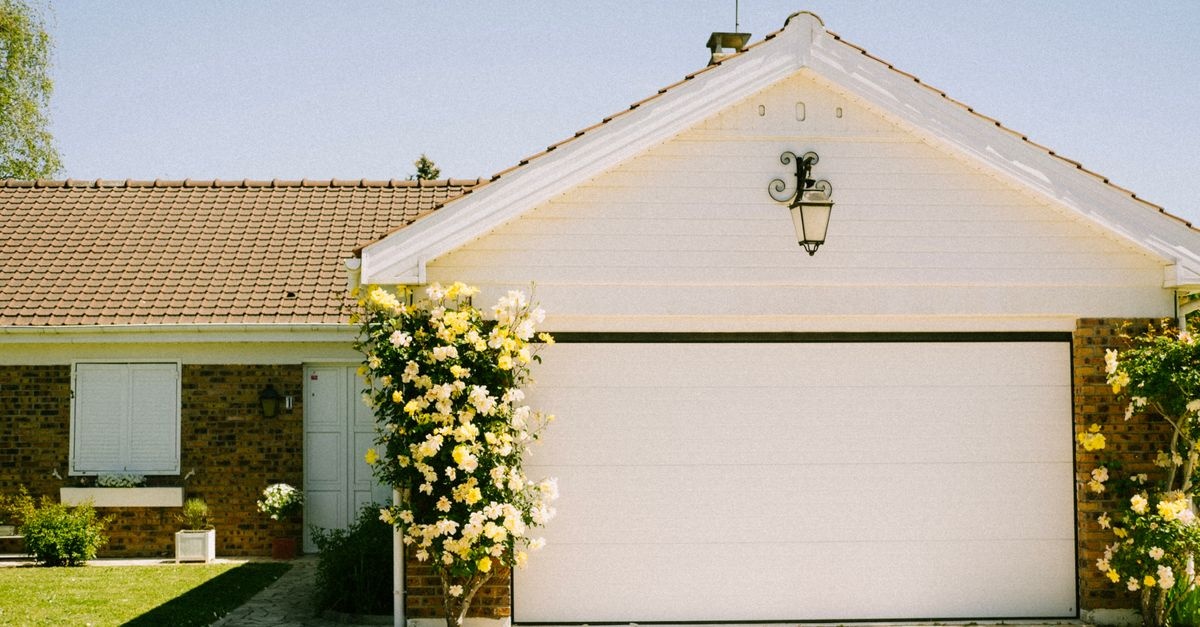
Your garage does not have to be a cold, noisy, and dusty afterthought. With the right strategy and materials, it can become a quiet workshop, a gym, a creative studio, or simply a comfortable place to park and protect your car. In this in‑depth guide, we unpack Garage insulation ideas with facade polystyrene and show how facade‑grade expanded polystyrene (EPS) and extruded polystyrene (XPS) can deliver impressive comfort, energy performance, and durability on a reasonable budget.
We will cover performance basics, planning, wall and ceiling systems, door and floor upgrades, air and moisture control, fire safety, finishes, costs, and step‑by‑step methods your future self will thank you for. Whether you want a quick weekend improvement or a full garage conversion, these Garage insulation ideas with facade polystyrene will help you move confidently from drafty to comfy.
Why Facade‑Grade Polystyrene for Garages?
Facade‑grade EPS and XPS boards, originally designed for building exteriors (think EIFS or rendered facades), offer a smart balance for garage projects:
- High, stable R‑value: EPS and XPS deliver reliable thermal resistance per inch, reducing heat loss in winter and heat gain in summer.
- Lightweight, easy to cut: Score‑and‑snap or hot‑wire cuts simplify fitting around outlets, braces, and irregular framing.
- Cost‑effective: Compared to many interior systems, facade boards are budget‑friendly without skimping on results.
- Durable, impact‑resistant when finished: With a reinforced basecoat or gypsum cover, the system handles bumps and scrapes typical of garages.
- Versatile installation: Works over studs, masonry, or existing sheathing; compatible with furring, adhesive, or mechanical fasteners.
Not all polystyrene is the same. EPS (expanded polystyrene) is vapor‑open, economical, and widely available in facade‑grade densities. XPS (extruded polystyrene) has higher R‑value per inch and lower water absorption but can be more expensive; it is often chosen where higher compressive strength or moisture resistance is needed, such as floors or near-grade walls. In most garage retrofits, EPS facade boards deliver outstanding bang for the buck, especially when paired with proper air sealing.
Core Principles: Performance That Matters in a Garage
Thermal Resistance and Airtightness
Thermal insulation slows heat transfer, but air sealing prevents cold drafts and uncontrolled moisture movement. For garages, wind‑driven leaks often matter more than missing inches of R‑value. A winning approach integrates polystyrene boards with sealed seams and edges, then adds a suitable interior finish that doubles as an air control layer.
Moisture Management and Dew‑Point Control
Garages experience wet cars, seasonal humidity swings, and cold surfaces. The assembly must manage bulk water and vapor to avoid condensation. EPS’s moderate vapor permeability helps assemblies dry, while meticulous air sealing limits moisture‑laden air from reaching cold layers. In colder climates, placing continuous rigid foam on the warm side of masonry or exterior side of studs helps keep the dew point away from vulnerable materials.
Fire and Code Considerations
Polystyrene must be protected with an ignition barrier or thermal barrier where required. In many jurisdictions, that means covering foam with at least half‑inch gypsum board on the interior. Check local code requirements for attached garages, egress, and separation from living spaces.
Planning: Set Goals, Budget, and Scope
Before you start buying materials, define what “comfy” means for you. These Garage insulation ideas with facade polystyrene span from quick comfort upgrades to near‑living‑space performance.
- Use case: Parking bay, workshop, gym, studio, storage, or full conversion? Occupancy and heating plans shape R‑values and finishes.
- Climate: Cold climates benefit from thicker foam and rigorous air sealing. Hot‑humid zones focus on moisture control and reflective roof strategies.
- Structure: Attached or detached, framed or masonry, slab condition, and garage door type all impact the design.
- Budget and phasing: Prioritize the highest returns first: air sealing, garage door sealing, ceiling insulation, then walls and floors.
- Code and safety: Confirm requirements for foam coverings, fire separation, and electrical access.
Materials and Tools You Will Use
- Facade‑grade EPS or XPS boards: Choose thickness for target R‑value; denser boards resist dents better.
- Foam‑safe adhesives and mechanical fasteners with insulation washers for secure attachment.
- Air sealing accessories: Acrylic or butyl tapes, compatible sealants, low‑expansion foam for gaps.
- Protective layers: Fire‑rated gypsum board, cement board, or reinforced basecoat mesh where impact is likely.
- Cutting tools: Utility knife with fresh blades, straightedge, hot‑wire or foam saw for precise cuts.
- Moisture and pest guards: Sill gaskets, capillary breaks, rodent‑resistant details at edges.
Step‑by‑Step: Walls, Ceiling, Door, and Floor
The following Garage insulation ideas with facade polystyrene outline reliable build‑ups for the main surfaces. Tackle them in this order for best returns and least disruption:
1. Air Seal First
Before adding foam, stop the leaks:
- Seal top and bottom plates, rim joists, and penetrations with compatible sealant or low‑expansion foam.
- Weatherstrip the entry door, add a tight threshold, and verify alignment.
- At the garage door, replace worn bottom seals, add side and top weatherstrips, and adjust tracks for even contact.
2. Insulate and Finish the Walls
Walls are the largest surface area and a prime candidate for continuous foam. Choose the assembly that matches your structure:
Framed walls (stud cavities present)
- Leave existing fiberglass batts if in good shape, or replace with mineral wool for better fit and fire resilience.
- Install facade‑grade EPS over the studs as a continuous layer to reduce thermal bridging. Stagger seams.
- Adhere boards with foam‑safe adhesive, then add mechanical fasteners with insulation washers into studs.
- Tape all seams with acrylic tape rated for foam; seal edges to floor and ceiling planes.
- Cover with half‑inch fire‑rated drywall (or cement board in high‑impact zones). Screw through to studs or furring.
Masonry or block walls
- Clean and level the surface; address any moisture entry first (exterior grading, gutters, and seals).
- Adhere EPS facade boards with foam adhesive in a continuous pattern; add mechanical anchors if required.
- For robust impact resistance, embed fiberglass mesh in a thin basecoat (facade‑style) before finishing with paintable coating or cover with gypsum on furring strips.
Either way, you gain a continuous thermal layer and an effective air control surface, two pillars of comfort in the garage.
3. Insulate the Ceiling or Roofline
Heat loves to escape upward. If your garage has an attic above, start here:
- Attic over garage: Air seal ceiling penetrations, then blow in cellulose or add batts to code‑recommended R‑values. Optionally add EPS below joists as a thermal break, then drywall.
- Cathedral or low roof: Add rigid EPS or XPS under rafters to improve R‑value and reduce thermal bridging. Maintain ventilation channels above the insulation where required, then cover with gypsum.
Where you share a wall or ceiling with living space, be meticulous. Sealing and insulating that boundary enhances comfort and helps the home’s HVAC work less.
4. Upgrade the Garage Door
A thin steel door is a giant radiator. These Garage insulation ideas with facade polystyrene upgrade it without replacing the door:
- Cut EPS panels to fit each door recess. Adhere with foam‑safe adhesive.
- Seal panel edges with flexible tape to limit air leakage.
- Balance weight: add equally to all panels and verify the door’s spring tension. If in doubt, hire a pro.
- Finish edges with light PVC trim to resist dings.
If your climate is very cold or very hot, consider a factory‑insulated, weather‑sealed replacement door. It may deliver a faster comfort win and quieter operation.
5. Consider the Slab and Floor
Garages have cold slabs. You can improve comfort without a full rebuild:
- Add XPS or high‑density EPS panels where you need warm footing (workbench zone or gym area), topped with plywood and a durable finish mat.
- For full conversions, build a floating floor: foam, vapor retarder as required by climate, tongue‑and‑groove plywood, then finish flooring.
- At perimeter walls, a narrow thermal break strip reduces cold radiation at foot level.
Air and Moisture: Details that Decide Success
Smart Vapor Strategy
With polystyrene, think “air tight, vapor aware.” Aim for airtight seams and transitions. Choose vapor‑open paints on interior gypsum if you want some drying potential inward. In hot‑humid regions, limit inward vapor drive by using appropriate coatings and by keeping interior temperatures moderate.
Thermal Bridges and Edge Detailing
Studs, plates, and slab edges leak heat. Continuous EPS over studs and careful insulation of rim joists deliver outsized gains. Treat junctions—wall to ceiling, wall to slab, and around the garage door—like mini projects and seal them diligently.
Finishes that Protect and Perform
Foam alone is not the finish. These options blend protection, code compliance, and looks:
- Fire‑rated drywall: The most common and code‑friendly interior thermal barrier. Paint with washable paint for easy cleanup.
- Reinforced basecoat over EPS: If you want a rendered, impact‑resistant surface, embed mesh in a cementitious basecoat, then top with a durable finish coat.
- Hybrid: Lower walls in cement board or plywood for impact, upper walls in gypsum for cost savings.
Include baseboards or a durable curb detail to keep wet mops and snowmelt from wicking into finishes.
Heating, Cooling, and Ventilation
Once insulated, a modest conditioning system makes the garage truly comfortable:
- Mini‑split heat pump: Efficient heating and cooling with excellent control.
- Ceiling‑mounted electric heater: Simple and effective for workshops used intermittently.
- Ventilation: Spot‑exhaust for fumes and dust; consider a small ERV for frequent occupancy to control humidity and provide fresh air.
With good airtightness from EPS seams, even a small heater goes a long way. Many users report that after implementing these Garage insulation ideas with facade polystyrene, a low‑watt heater maintains comfort for hours.
Sound, Durability, and Everyday Practicalities
The comfort story is not only thermal:
- Sound reduction: Continuous foam plus gypsum noticeably quiets road noise and power tools.
- Impact resistance: Choose denser boards and add protective lower‑wall panels in high‑traffic areas.
- Cleanability: Semi‑gloss paints and PVC corner guards make maintenance a breeze.
Cost, ROI, and Environmental Notes
Ballpark Costs
- EPS facade boards: Typically lower cost per R compared to many alternatives.
- Fasteners, tape, and sealants: Modest but essential for performance.
- Finishes: Gypsum is economical; cementitious systems cost more but improve durability.
Expect strong returns from prioritized measures: air sealing and ceiling insulation often pay back fastest. Upgrading the garage door and adding continuous wall foam follow closely.
Environmental Considerations
Modern EPS often uses pentane as a blowing agent with comparatively low global warming potential. Where available, look for recycled content or locally manufactured boards to reduce embodied impacts. Longevity matters: well‑detailed foam can deliver decades of performance, meaning ongoing operational energy savings outweigh modest material impacts.
Common Mistakes to Avoid
- Skipping air sealing: Foam without airtight seams and edges performs below potential.
- Ignoring moisture sources: Fix exterior drainage and door seals before covering walls.
- Forgetting fire protection: Most jurisdictions require a barrier over foam. Do not skip it.
- Weak edge detailing: Thermal bridges at slab or rim joists can undercut comfort.
- Mismatched adhesives: Some solvents melt polystyrene. Use foam‑safe products.
Detailed Install Walkthrough
Prepare and Layout
- Empty or zone the garage to create safe work space.
- Inspect for moisture ingress, pest issues, or structural cracks; correct before insulating.
- Map electrical and plumbing; plan access panels if needed.
Cut and Fit EPS Boards
- Measure from floor to ceiling; cut boards to tight fit with a straightedge and sharp blade.
- Dry‑fit around outlets and braces. Use templates for repeated cuts.
- Stagger vertical seams like bricks for better airtightness.
Adhere and Fasten
- Apply foam‑safe adhesive in ribbons to minimize voids while allowing some drying potential.
- Press boards firmly; then add mechanical fasteners with insulation washers into studs or masonry.
- Check for flatness; plane high spots or add thin shims before finishing.
Tape, Seal, and Transition
- Tape all seams with acrylic tape compatible with polystyrene.
- Seal perimeter edges with a flexible sealant.
- Bridge to ceilings and floors with tape and sealant so the air barrier is continuous.
Protective Layer and Finish
- Install gypsum board or cement board per code. Use corrosion‑resistant screws.
- At lower walls, consider a wainscot of plywood or PVC panels for impact resistance.
- Tape, mud, and paint with durable, washable finishes.
These steps embody practical Garage insulation ideas with facade polystyrene that anyone with moderate DIY skills can accomplish over a few weekends.
Climate‑Specific Tips
Cold and Very Cold Regions
- Increase foam thickness to control dew point and reduce condensation risk within the wall.
- Focus on the ceiling and the shared wall with living spaces first.
- Use air‑tight electrical boxes or add putty pads to reduce drafts.
Mixed and Marine Climates
- Balance insulation with drying potential. EPS’s vapor openness helps walls dry when properly air sealed.
- Ensure exterior drainage, intact door seals, and functional gutters.
Hot‑Humid Zones
- Prioritize air sealing and ventilation to control latent load from humid air.
- Keep interior finishes moderately vapor‑retarding if the garage is air‑conditioned, without trapping moisture.
Safety, Codes, and Good‑Neighbor Details
- Ignition and thermal barriers: Foam must be covered per local code; gypsum is the standard solution.
- Separation from house: Maintain or improve fire separation and weather‑tightness for attached garages.
- Combustion appliances: If present, maintain clearances and ensure proper ventilation.
- Electrical: Use grommets and protect wiring when covering with foam and finishes.
From Quick Wins to Full Makeovers
Not every project needs a complete rebuild. Choose the track that matches your ambition and budget:
Quick Comfort Weekend
- Weatherstrip garage and entry doors.
- Insulate the garage door panels with cut‑to‑fit EPS.
- Seal rim joists and large penetrations; add a small electric heater.
Mid‑Level Upgrade
- Continuous EPS on walls with taped seams and gypsum finish.
- Attic air sealing and added insulation; LED lighting upgrade.
- Spot floor insulation under a work zone platform.
Full Garage Conversion
- Reframe as needed; continuous exterior or interior EPS, sealed and covered by code.
- Insulated replacement garage door or framed wall infill with windows as allowed.
- Mini‑split heat pump, ERV, and high‑durability interior finishes.
Each path leverages Garage insulation ideas with facade polystyrene to deliver stepwise gains with clear benefits at every stage.
Maintenance and Long‑Term Care
- Inspect seals annually, especially around the garage door and slab edges.
- Touch up paint and reinforce high‑traffic corners with guards if needed.
- Keep gutters clear and downspouts extended to reduce splashback on walls.
Frequently Asked Questions
Is facade‑grade EPS strong enough for a garage?
Yes, when properly attached and covered. Denser boards and a reinforced or gypsum finish deliver excellent durability.
What about fire safety with foam?
Always cover foam with an approved barrier, typically half‑inch gypsum. Follow local codes for attached garages and separation from the home.
Will EPS trap moisture?
EPS is more vapor‑open than many rigid foams, allowing limited drying. The key is airtight seams and smart transitions to avoid condensation.
How thick should the foam be?
It depends on climate and goals. One to two inches of EPS makes a big difference; colder zones often use more. Pair with attic improvements for best results.
Can I just insulate the garage door?
It helps, especially with drafts and radiant cold. For full comfort, also address the ceiling and at least one continuous insulated wall.
A Simple Case Study
A homeowner in a mixed climate installed one and a half inches of facade‑grade EPS over studs, taped seams, and covered with gypsum. The attic above the garage received air sealing and added cellulose. The existing steel garage door was fitted with EPS panels and new weather seals. Outcome: a 15 to 20 degree improvement during winter afternoons with a small space heater, reduced street noise, and a cleaner, brighter workspace. This real‑world example shows how Garage insulation ideas with facade polystyrene compound into big comfort gains.
Quick Project Checklist
- Define goals and check local codes.
- Fix moisture and drainage issues.
- Air seal rim joists, penetrations, and door perimeters.
- Install continuous EPS or XPS on walls; tape and seal.
- Upgrade ceiling or roofline insulation.
- Insulate and weatherstrip garage door.
- Add required fire‑rated coverings.
- Consider heating, ventilation, and durable finishes.
Conclusion: From Drafty to Comfy—And Beyond
Transforming your garage is not just about adding R‑value; it is about building a reliable, airtight, and moisture‑aware shell that stands up to daily life. Facade‑grade polystyrene boards give you a versatile, cost‑effective backbone for that shell. When paired with disciplined air sealing, proper fire protection, and thoughtful finishes, the result is a hard‑working space that feels good year‑round. Whether you undertake a weekend refresh or a full conversion, these Garage insulation ideas with facade polystyrene will help you create a quieter, warmer, drier, and more valuable part of your home.
Resource Notes and Pro Tips
- Use color‑coded tapes for different transitions so future repairs are easy to navigate.
- Label hidden junction boxes and create a simple map before covering walls.
- Keep a small stock of matching foam, tape, and touch‑up paint for quick fixes after impacts.
With a clear plan and the right materials, your garage can evolve from a drafty passthrough to a polished, productive room—proof that practical Garage insulation ideas with facade polystyrene can deliver premium comfort without a premium price.