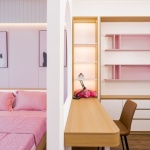
Clear Minds, Clear Spaces: Interior Design Secrets for Deep Focus
You don’t have to move to a mountaintop to think clearly. You need rooms that think with you. When your space silently removes friction—visual noise, glare, awkward posture, stale air—your mind stops wasting energy on the environment and spends it on the work that matters. This is the central promise of interiors that support clear thinking: they reduce cognitive load, heighten comfort, and guide attention with subtle cues. In this comprehensive guide, you’ll learn how to align light, color, acoustics, materials, and layout so your home office, studio, or study becomes a launchpad for deep focus.
The Science of Clarity: Why Environment Shapes Attention
Clarity isn’t just a mood; it’s a measurable state shaped by your surroundings. Your brain filters a torrent of inputs—visual clutter, micro-sounds, lighting shifts—before you even start a task. Every extra decision (“Where’s that cable?” “Which document?” “Why is that shelf messy?”) taxes working memory. Reduce those micro-drains and you free up capacity for complex thinking.
The goal of interiors that support clear thinking is to optimize three inputs:
- Sensory load: Fewer competing stimuli mean fewer context switches and less mental fatigue.
- Posture and physiology: Supportive seating, proper screen height, and air quality improve oxygenation, ergonomics, and stamina.
- Predictable cues: Consistent zones and routines help your brain recognize “it’s focus time,” reducing ramp-up friction.
Think of your space as a quiet collaborator. It shouldn’t scream for attention; it should make attention effortless.
Decluttering as Cognitive Design: Make the Invisible Work
Minimalism isn’t about austerity; it’s about reducing choice overload. Visual clutter triggers constant micro-evaluation. Curate what lives in your line of sight so the essentials are obvious and the non-essentials are hidden yet reachable.
Systemize, Don’t Just Store
- 1-in, 1-out rule: For every tool or book you add to the desk, retire one to a secondary location.
- Zone labeling: Give drawers and shelves clear roles: “Capture,” “Archive,” “In-progress,” “Reference.”
- Hide the mess gracefully: Use closed storage and opaque bins at eye level; reserve open shelving for a few purposeful anchors.
Decor can be warm and personal, but keep high-detail objects outside your central gaze. That’s how you create interiors that support clear thinking without sacrificing character.
Color and Contrast: Painting with Cognitive Intent
Color influences arousal and emotion. For focus, aim for low-saturation neutrals with deliberate, strategic accents. Neutrals calm the background; accents cue areas of action.
Practical Palette Tips
- Base: Soft whites, warm grays, or pale taupe for walls to reduce glare and visual fatigue.
- Accents: Muted blues and greens can aid calm and sustained attention; terracotta or muted mustard can mark creative zones.
- Contrast control: Keep contrast gentle in peripheral areas and slightly higher near task surfaces to guide the eye.
Use color zoning sparingly: a muted green on the reading wall, a neutral desktop, and a darker, textured rug under the chair to ground the area. This quiet choreography supports the essence of interiors that support clear thinking—the eye knows where to rest and where to work.
Light That Leads: Daylight, Task Lighting, and Screen Harmony
Light is your most powerful environmental lever. It sets circadian rhythms, affects mood, and controls glare. Aim for a hierarchy: bright, diffuse ambient light; targeted, adjustable task lighting; and minimized reflections.
Daylight Strategy
- Desk placement: Position the desk perpendicular to windows to avoid screen glare while harvesting daylight.
- Diffuse, don’t dim: Sheer shades or adjustable blinds maintain brightness without harsh contrast.
- Morning boost: Brighter, cooler light aids alertness early; shift warmer by late afternoon to protect sleep.
Task Lighting
- Adjustability is king: A lamp with angle and intensity control keeps light off screens and on documents.
- Layering: Combine an overhead source with a focused desk lamp to avoid dark-room/tunnel vision effects.
- Glare discipline: Matte finishes for desktops and monitor hoods reduce scatter and visual stress.
Get these layers right and the room joins your flow. Lighting is central in interiors that support clear thinking because it fine-tunes arousal without stealing attention.
Quiet Power: Acoustics for Sustained Attention
Noise distracts even when you think you’re ignoring it. Treat sound like a material: absorb, block, and mask as needed.
Acoustic Toolkit
- Absorb: Rugs, curtains, upholstered seating, and acoustic panels reduce reverberation.
- Block: Weatherstripping doors and sealing gaps remove the hiss of outside noise.
- Mask: Low-level pink or brown noise, or gentle ventilation whoosh, can smooth unpredictable spikes.
- Headset strategy: Keep ANC headphones for deep work periods; don’t rely on them to fix a “live” room—treat the room first.
Controlled acoustics turn rooms into interiors that support clear thinking, because the brain stops scanning for threat or novelty in every sound.
Biophilic Design: Nature as an Attention Aid
Humans think better with subtle cues of nature. Biophilic elements lower stress and replenish directed attention.
How to Add Nature Intelligently
- Greenery: One to three easy-care plants within peripheral view; avoid dense, high-detail clusters in your direct line of sight.
- Natural materials: Wood grains, stone textures, natural fibers—matte and tactile—add warmth without visual chaos.
- View channels: Frame a glimpse of sky or a tree; if views are poor, use nature-toned art with low visual complexity.
Nature’s presence should feel like a deep breath for the eyes. Done right, it’s another hallmark of interiors that support clear thinking.
Ergonomics and Micro-Movements: Think With Your Body
Focus is embodied. Poor posture and static positions drain concentration. Design for comfort that invites movement.
Desk and Seating Fundamentals
- Neutral posture: Elbows at ~90 degrees, monitor top at or just below eye level, feet flat or on a footrest.
- Chair with support: Lumbar support, adjustable armrests, breathable fabric. Test adjustments before buying.
- Flexible stations: Consider a sit-stand desk and a secondary perch (stool, lounge chair) for reading or calls.
Movement Cues
- Micro-break anchors: Place a stretch band or balance board within reach to nudge 60–90 minute resets.
- Walking loops: Keep a clear path for 2–3 minute walks between tasks; it refreshes focus and eyesight.
Physiological comfort is not a luxury—it’s the engine of interiors that support clear thinking. When the body is supported, the mind can commit.
Materials and Texture: Quiet Surfaces, Quiet Minds
Texture influences how the eye and hand experience a room. Aim for low-gloss, matte finishes that reduce reflections and fingerprints. Use tactile variation sparingly to avoid a noisy palette.
- Desktops: Matte laminate or oiled wood with subtle grain; avoid high-gloss glass.
- Floors and rugs: Low-pile, solid-toned rugs to absorb sound and reduce visual busyness.
- Wall treatments: Fabric panels or limewash for softness without pattern overload.
Understated textures create the quiet foundation typical of interiors that support clear thinking.
Spatial Layout and Zoning: Map Your Workflows
Good rooms act like cognitive maps. Define zones so each task has a home and setup time shrinks to seconds.
Core Zones
- Focus desk: Primary screen, keyboard, analog capture (notebook or note board), minimal accessories.
- Deep reading nook: Supportive chair, warm task lamp, side table—no screens.
- Collab/whiteboard wall: Vertical surface for planning and sketching to offload memory onto space.
- Reference archive: Closed storage for documents, labeled and reachable but not visible from the desk.
Flow and Reach
- Primary reach (0–40 cm): Keyboard, mouse, notebook, water.
- Secondary (40–80 cm): Phone stand, planner, lamp controls.
- Tertiary (80+ cm): Printer, supplies, archive bins.
When zones reflect your mental model, switching tasks doesn’t scatter focus. That’s the logic behind interiors that support clear thinking: space becomes a visual checklist of your process.
Digital Minimalism and Cable Discipline
Digital clutter is still clutter. Visualize the path of every cable and notification.
- Cable channels and clips: Route cords along furniture undersides; label both ends for easy swaps.
- Device parking: A dedicated tray for phone and accessories to prevent screen glare and temptation.
- Notification geofencing: When you enter the focus zone, only priority alerts get through; use Do Not Disturb schedules and app filters.
By taming the digital layer, you reinforce the calm of interiors that support clear thinking.
Personalization Without Distraction
Personality matters—it boosts belonging and intrinsic motivation. The key is intentional placement.
- Periphery for stories: Family photos and mementos placed out of your direct sightline reduce attention drift.
- Two-anchor rule: Choose one visual anchor (art) and one tactile anchor (object). More than two? Rotate seasonally.
- Color echo: Let your personal items echo the palette rather than compete with it.
This balance is how you keep warmth while maintaining interiors that support clear thinking.
Air, Scent, and Temperature: Invisible Performance Boosters
Air quality and thermal comfort strongly influence cognition. Stale air raises CO2 levels, which can dull thinking; inconsistent temperatures cause fidgeting.
- Ventilation: Crack windows regularly; consider an air purifier with HEPA filter if outdoor air is poor.
- Green assist: Plants won’t replace ventilation, but they can modestly improve humidity and mood.
- Temperature sweet spot: Typically 20–22°C (68–72°F); provide a throw or personal fan for micro-adjustments.
- Scent cues: Subtle, not strong—think a drop of rosemary or a cedar block in storage. Avoid heavy candles near the desk.
Fine-tuning these layers makes rooms quietly powerful—true interiors that support clear thinking.
Rituals, Cues, and Maintenance Loops
Design sets the stage; habits run the show. Build tiny rituals that reset attention.
- Opening ritual: Turn on the desk lamp, place water, open the notebook to a fresh page—signal “now we focus.”
- Closing ritual: Two-minute reset: file, wipe surfaces, park devices, set tomorrow’s first task.
- Weekly tune: 15-minute audit of surfaces and cables; rotate decor to keep novelty low.
When rituals pair with space, you create reliable interiors that support clear thinking day after day.
Room Templates: From Tight Corners to Full Suites
Micro Home Office (Under 5 m²)
- Wall-mounted desk with fold-down surface; matte finish.
- Single task lamp plus narrow LED uplight for ambient glow.
- Closed wall cabinet labeled by zone; cable channel under the desk.
- Muted palette with one biophilic element (small plant or wood shelf).
Standard Home Office (6–12 m²)
- L-shaped or straight desk perpendicular to window; monitor on arm.
- Reading chair with warm lamp to create a no-screen corner.
- Acoustic rug and curtains; two storage towers with labeled bins.
- Whiteboard strip or cork rail for planning at eye level.
Creative Studio
- Dual zones: Clean digital bench + messy making table.
- High CRI lighting with adjustable color temperature.
- Washable surfaces and rolling carts for flexible workflows.
- Inspiration board placed outside the main focus cone.
Budget Tiers and Quick Wins
No-Cost Moves
- Rearrange: Perpendicular desk to window; remove 30% of visible items from the desk.
- Ritualize: Opening/closing sequences and a weekly 15-minute reset.
- Soundscape: Use a fan or brown-noise playlist at low volume.
Low-Cost Upgrades
- Matte task lamp with dimmer; sheer shades for windows.
- Cable kit: Channels, clips, and labels; phone stand.
- Rug and curtains to reduce echo; one low-maintenance plant.
Investment Pieces
- Ergonomic chair and adjustable desk.
- Acoustic panels (or fabric-wrapped DIY) to tame reflections.
- Air purifier and a monitor arm to optimize posture.
Even small shifts can transform a room into interiors that support clear thinking. Start where you are.
Common Mistakes That Sabotage Focus
- High-gloss everything: Creates glare and fingerprint anxiety.
- Open shelving overload: Looks great in photos, distracts in practice.
- Single overhead light: Causes harsh shadows and eye strain.
- All-white sterility: Fatiguing; add tonal variation and tactile warmth.
- Decor in the focus cone: Keep detail-heavy objects out of direct sight.
Seven-Day Action Plan to Build Clarity
- Day 1: Audit. Photograph your space. Mark glare points, clutter zones, and noise sources.
- Day 2: Declutter. Remove 30% of visible items; create labeled zones in storage.
- Day 3: Light. Reposition the desk; add or adjust a task lamp; diffuse window glare.
- Day 4: Sound. Lay a rug, hang curtains, test pink/brown noise.
- Day 5: Ergonomics. Adjust chair and monitor; add footrest or risers if needed.
- Day 6: Biophilia and texture. Add one plant and a tactile, matte surface; remove shiny clutter.
- Day 7: Rituals. Define opening/closing routines; set a weekly reset reminder.
In one week, you’ll feel the difference—your room will begin to behave like interiors that support clear thinking, quietly steering energy toward what matters.
Case Cues: Reading the Room
If You Feel Restless
- Check chair fit and movement options; add a perch or standing interval.
- Lower contrast in your periphery; swap busy art for calm tones.
If You Feel Sleepy Midday
- Increase ambient brightness and cool the color temperature.
- Crack a window or run an air purifier for a fresh-air micro-boost.
If Your Eyes Ache
- Add a monitor arm; reduce glare with matte finishes.
- Layer light; avoid working in a dark room with a bright screen.
These simple diagnostics keep your setup aligned with the spirit of interiors that support clear thinking.
From Aesthetic to Ethic: Designing for Attention Over Time
The most successful spaces aren’t just styled; they’re trained. Over weeks, your room should accumulate small advantages—tiny optimizations to light angle, noise level, reach distance, and storage logic. Each refinement nudges attention toward depth. This is how interiors that support clear thinking emerge: not from a single shopping spree, but from steady iteration anchored in your real workflows.
Conclusion: Design That Disappears, Focus That Appears
Clarity-friendly interiors are deceptively quiet. They trade spectacle for support: calmer palettes, tactile warmth, ergonomic fidelity, layered light, disciplined acoustics, and thoughtful zoning. As your environment stops competing for attention, your attention grows. Begin with one change—the desk-turn, the lamp, the cable kit—and build momentum. In time, your space won’t just look better; it will think better with you.
Create rooms that earn your trust. That’s the heart of interiors that support clear thinking—spaces that fade into the background so your best ideas can step forward.