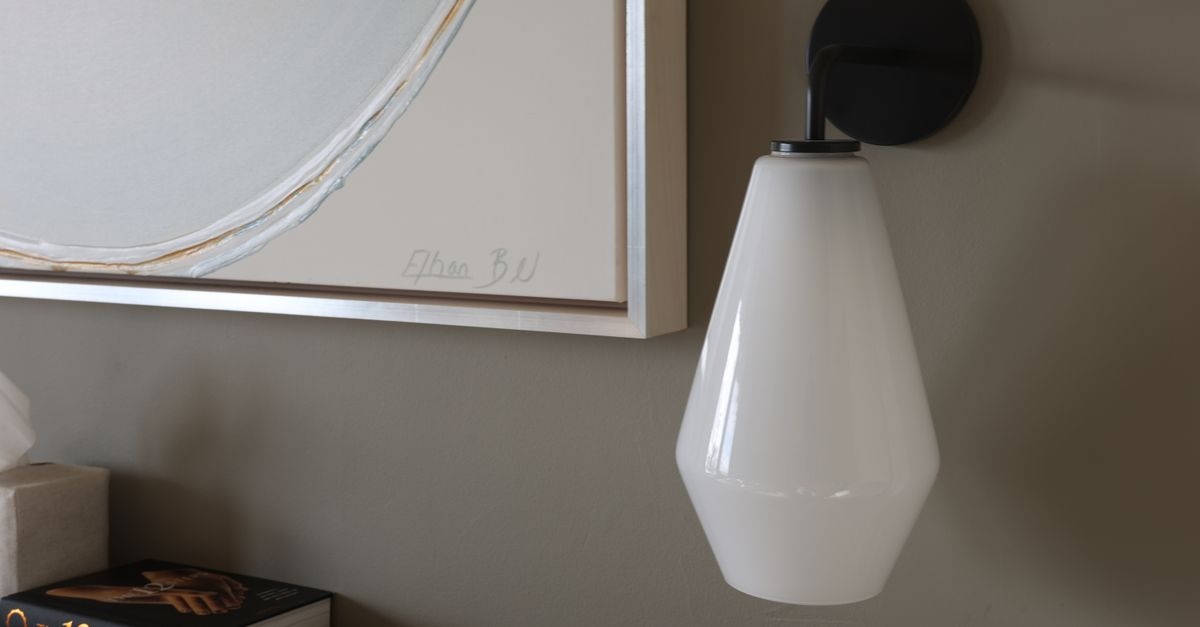
Few lighting pieces strike the balance between charm and function like milk‑glass shade wall sconces. The velvety diffusion of white glass tames glare, flatters skin tones, and layers seamlessly with other light sources. Whether you’re elevating a bathroom vanity, warming a hallway, or crafting serene bedside lighting, the right sconce can change how your home feels and functions. In this expert guide, you’ll learn how to choose milk‑glass shade wall sconces that look timeless, deliver the right light, fit your space, and meet safety and code requirements—without guesswork.
Why Milk‑Glass Shades Still Matter
Milk glass has been beloved for more than a century because it transforms harsh pinpoint light into a smooth, even glow. That makes it ideal for living areas, bedrooms, and bathrooms where comfort and clarity matter in equal measure.
What Is Milk Glass—and How Is It Different from Opal Glass?
- Milk glass: Opaque to near-opaque white glass that hides the bulb and produces a velvety, shadow-softening glow.
- Opal glass: Slightly more translucent white glass; shows a bit more bulb definition and permits slightly higher light transmission.
- Result: Milk glass maximizes diffusion and reduces glare; opal glass offers a touch more brightness with a still-gentle look. Both are excellent for sconces.
Key Benefits of Milk‑Glass Sconces
- Flattering light: Evens out shadows on faces—ideal near mirrors and bedside reading zones.
- Timeless appeal: Complements vintage, transitional, and modern interiors.
- Glare control: Better eye comfort than clear glass or bare bulbs.
- Versatility: Works for ambient lighting, accents, or task lighting when paired with the right bulb and direction.
Style First: Matching Sconce Aesthetics to Your Interior
Before you get technical, consider the story your room tells. The sconce you choose should feel inevitable in that story—not like an afterthought.
Popular Design Directions
- Art Deco: Look for ribbed or fluted milk‑glass, stepped backplates, chrome, or polished nickel. Geometric schoolhouse shades also fit.
- Mid‑Century Modern: Globe shades, brass finishes (polished or aged), clean rods, and minimal backplates.
- Transitional: Cone or bell shades in milk glass with streamlined arms; brushed nickel or black finishes.
- Industrial / Rustic: Dark metals (oil‑rubbed bronze, blackened steel), visible hardware, and utilitarian forms with milk‑glass bells or domes.
- Scandi / Contemporary: Matte black or white hardware, slim profiles, and simple globes or capsules.
- Traditional / Farmhouse: Curved arms, antique brass, bell or schoolhouse shades, decorative finials.
Tip: Echo one or two finishes already present (faucets, door hardware), but don’t be afraid to mix metals. A black sconce can ‘anchor’ a brass‑heavy room; a brushed nickel sconce can cool a warm wood palette.
Scale, Projection, and Proportion
Beautiful sconces can still look wrong if they’re the wrong size or depth. Right‑sizing is about balancing the shade diameter, backplate size, and projection with the wall and adjacent elements.
How to Size the Shade and Backplate
- Shade diameter: Typical milk‑glass shades for sconces range from 4 to 10 inches. For narrow halls, aim for 4–6 inches; for living rooms or tall walls, 6–9 inches often looks right.
- Backplate: A 4.5–5 inch backplate comfortably covers a standard 3.5‑inch junction box and looks substantial without overpowering. Oversized backplates (6–8 inches) can be a feature in large rooms.
- Rule of thirds: As a loose guide, let the visible fixture occupy about one‑third to one‑half of the vertical space it’s visually grouped with (mirror height, headboard height, or artwork).
Projection and ADA Considerations
- Projection: For corridors and tight spaces, keep projection to 4–6 inches to avoid snags and ensure clean sight lines.
- ADA: In public or commercial corridors (and a good idea for tight residential halls), choose ADA‑compliant sconces projecting ≤4 inches from the wall between 27 and 80 inches above the floor.
Light Quality: Color Temperature, CRI, and Brightness
Milk glass perfects diffusion; the bulb and driver dictate color and clarity. Getting these right separates ‘nice’ from ‘incredible.’
Color Temperature (Kelvin)
- 2700K (warm white): Cozy, candlelike warmth. Great for bedrooms, living rooms, and dining areas.
- 3000K (soft white): Versatile, slightly crisper. Excellent for bathrooms and kitchens when you still want warmth.
- 3500K–4000K (neutral to cool): Bright and energetic; use sparingly with milk glass to avoid a bluish cast, unless a modern, gallery feel is desired.
Color Rendering Index (CRI)
- CRI 90+: Recommended for bathrooms and dressing areas so skin tones and makeup appear natural.
- CRI 80–89: Acceptable for general spaces if high‑CRI bulbs aren’t available.
Brightness (Lumens) and Layering
- General ambient: 400–800 lumens per sconce.
- Bathroom vanity (each side of mirror): 600–1000 lumens per sconce with dimming for flexibility.
- Reading/Task: 600–900 lumens aimed downward or with shaded diffusion to reduce glare.
- Layer lights: Pair sconces with ceiling fixtures or recessed lights so no single source has to ‘do it all.’
Mounting Direction and Beam Feel
- Up‑light: Washes ceilings and walls for gentler ambient light. Great in hallways and living rooms.
- Down‑light: More task‑forward; useful by beds or work surfaces. Can accent textures (stone, paneling).
- Omni (globe): Even distribution; ideal when you want a halo effect around the fixture.
Room‑by‑Room Placement Essentials
Bathroom Vanity
- Mounting height: Center the bulb or shade at eye level—typically 60–66 inches from floor.
- Spacing: Place sconces 28–36 inches apart, flanking the mirror, with 3–6 inches between shade and mirror edge.
- Ratings: Choose damp‑rated fixtures for most bathrooms; wet‑rated if they’re within shower zones or prone to direct spray. Look for UL or ETL listings; some brands also note IP44 (common in EU markets).
- Light quality: Aim for 2700–3000K and CRI 90+ for accurate skin tones.
Hallways and Stairs
- Height: 60–70 inches to center depending on ceiling height and sight lines.
- Rhythm: Space sconces 6–10 feet apart; closer in darker halls or with smaller shades.
- Projection: Consider ADA‑compliant or low‑profile designs in narrow corridors.
- Controls: 3‑way switching or smart sensors improve safety and convenience.
Bedroom & Bedside
- Height: 30–36 inches above the mattress top, or place the switch within easy reach (about 18–24 inches above the nightstand top).
- Function: Down‑light or swing‑arm sconces excel for reading; globes are softer for ambience.
- Light color: 2700K for wind‑down; add a dimmer to tailor brightness at night.
Living, Dining, and Artwork
- Artwork wash: Use narrow projection sconces with milk‑glass shades to gently bathe walls; avoid hotspots.
- Dining rooms: Use pairs or triples to create glow at the room’s perimeter so pendants don’t have to over‑brighten.
- Fireplaces and nooks: Flank architectural features to add depth and symmetry.
Hardware Finishes and Materials
- Brass family: Polished, unlacquered, or antique brass adds warmth and patina over time.
- Nickel/Chrome: Sleek, reflective; works with Art Deco and contemporary baths.
- Black/Bronze: High contrast; anchors spaces and highlights the white glass.
- Mixed materials: Marble, wood, or textured backplates with milk glass for a bespoke look.
Finish tip: Match sheen to context—polished for glam, brushed/matte for understated modernity. In bathrooms, coordinate with faucet and hardware families but feel free to vary tone (e.g., black pulls with antique brass sconces) for depth.
Bulbs, Bases, and Dimming
Milk‑glass shades are forgiving with bulb shapes, but compatibility and quality still matter.
Common Base Types
- E26 medium base: Most common; supports many LED bulb shapes (A19, G25 globe, ST19 vintage).
- E12 candelabra: Compact profile; often used for smaller shades or multi‑arm sconces.
- G9 / G4 bi‑pin: Compact LEDs in modern fixtures; ensure dimmable drivers if you plan to use a dimmer.
Choose the Right LED
- Brightness: 6–12W LED typically replaces 40–75W incandescent (450–1100 lumens). Remember diffusion from milk glass slightly reduces perceived brightness—plan accordingly.
- Color & CRI: 2700–3000K, CRI 90+ in bathrooms and dressing areas.
- Dimming: Look for TRIAC or ELV compatibility depending on fixture specs; pair with a matching smart dimmer or standard wall dimmer rated for LEDs.
- Flicker & noise: Choose reputable, low‑flicker bulbs (<3% at 100–120 Hz) for eye comfort and video use.
Vintage‑Style Bulbs with Milk Glass
- Filament LEDs: Offer classic look without heat; behind milk glass, choose frosted to avoid filament lines.
- Shape harmony: Pair G25 globes with globe shades; A19s suit bells/schoolhouse; tubular bulbs pair with vertical capsules.
Safety Ratings, Listings, and Build Quality
- UL/ETL Listed: Indicates safety testing to North American standards. Prefer damp‑rated for bathrooms; wet‑rated for exposed areas.
- Ingress Protection (IP): If shopping EU/UK brands, aim for IP44 or higher in bathrooms.
- Weight & mounting: Heavier sconces need sturdy junction boxes and secure crossbars; verify included hardware.
- Warranty & support: Look for at least 1–3 years; longer on integrated LEDs is a plus. Prefer field‑replaceable LED modules when possible.
Hardwired vs Plug‑In, and Switch Options
- Hardwired: Cleanest look; controlled by a wall switch or dimmer. Best for bathrooms and permanent installations.
- Plug‑in: Flexible and renter‑friendly; choose models with cord dimmers or inline toggles. Use cord covers for a tidy look.
- On‑fixture switches: Great for bedside; confirm switch type (toggle, rotary, or dimmer) and location for reachability.
Placement, Height, and Spacing—At a Glance
- Eye‑level rule: 60–66 inches to the center of the shade for most spaces.
- Bedside reach: Center the switch 18–24 inches above the nightstand and 6–12 inches horizontally from the bed edge.
- Hallway rhythm: 6–10 feet apart; lower lumens require tighter spacing.
- Overlaps: Keep at least 3 inches clearance from mirrors or art to avoid crowding.
Installation Overview (Hire a Pro if Unsure)
- Power off: Turn off the breaker; verify no voltage at the box.
- Mounting plate: Attach crossbar level to the junction box; use included screws.
- Wiring: Connect hot (black) to hot, neutral (white) to neutral, ground (green/bare) to ground.
- Secure fixture: Attach fixture body, ensuring the backplate sits flush.
- Shade & bulb: Install milk‑glass shade per fitter instructions (set screws or threaded collars), then add the bulb.
- Test & dim: Restore power; test switching and dimming ranges.
Note on fitters: Many shades use a 2‑1/4‑inch fitter—common on vintage fixtures. Ensure your shade’s fitter matches the sconce’s holder before purchase.
Smart Controls and Everyday Comfort
- Smart dimmers & switches: Schedule evening scenes, pair with motion for hallways, or voice‑control bedside lights.
- Tunable white: Shift from 3000K daytime to 2700K evening for comfort; with milk glass, the transitions feel especially natural.
- Motion/night lights: Low‑level automatic glow for stairs and kids’ rooms.
Budget, Sourcing, and Vintage Finds
- Under $100: Simple forms, basic finishes; verify listings and dimming compatibility.
- $100–$300: Better materials, improved plating, stronger hardware.
- $300–$800: Designer finishes, heavier milk glass, refined proportions.
- Artisan & Vintage: Unique profiles and real milk glass; plan for rewiring and verify fitter sizes and junction box compatibility.
Quality Checklist
- Even, bubble‑free milk glass with consistent translucency.
- Backplate fully covers the junction box; no visible gaps.
- Sturdy arms; no wobble when lightly pressed.
- Smooth, consistent finish (no pitting or flaking).
- Clear installation instructions; available replacement parts.
Care and Maintenance
- Routine cleaning: Dust weekly; quarterly, remove shade and wash in lukewarm water with mild soap. Dry fully to prevent water spots.
- Avoid harsh chemicals: Skip ammonia and abrasives that can dull glass or finishes.
- Check hardware: Re‑snug set screws annually; verify no wire chafing or overheating.
Common Mistakes to Avoid
- Oversizing in tight halls: Deep projection can catch shoulders and visually clutter.
- Too cool color temps: 4000K+ can feel clinical with white glass unless intentional.
- Skipping dimmers: Milk glass loves dimming; it unlocks mood and comfort.
- Mismatched fitters: Shade won’t seat properly if fitter sizes don’t match.
- Ignoring ratings: Non‑damp‑rated fixtures in bathrooms shorten lifespan and risk safety.
Quick Decision Framework: From Style to Switch
- Define the vibe: Globe for mid‑century, schoolhouse for traditional, cone for transitional, capsule for modern.
- Measure the canvas: Confirm wall width/height, mirror size, headboard height, and junction box location.
- Pick projection wisely: ≤4 inches for tight halls, 5–7 inches for most rooms.
- Dial light quality: 2700–3000K, CRI 90+, 400–1000 lumens per sconce based on use.
- Choose finish: Coordinate with faucets/hardware or intentionally contrast.
- Confirm safety & compatibility: UL/ETL listing, damp/wet rating where needed, dimmer and bulb base match.
- Plan controls: Hardwired wall dimmer, on‑fixture switch, or smart control.
How to Choose Milk‑Glass Shade Wall Sconces: A Focused Guide
If you want the shortest route to success, follow this five‑point plan on How to choose milk‑glass shade wall sconces for any room:
- Purpose first: Ambient glow (up‑light or globe), task (down‑light or adjustable), or accent (flank features).
- Right size: 4–6 inch shades for small spaces; 6–9 inches for medium to large rooms. Keep projections practical.
- Light right: 2700–3000K, CRI 90+, and 600–900 lumens where you need clarity (vanity, reading).
- Finish fit: Echo metals already in the room or add contrast for graphic pop.
- Rated and ready: Damp/wet rating as needed; match bulb base and dimmer type to your fixture.
FAQs
What shade shape works best in small spaces?
Globe and compact cone shades in the 4–6 inch range keep visuals light, while milk glass prevents glare even close to eye level.
Are milk‑glass sconces bright enough for a bathroom?
Yes, when you spec them correctly: 2700–3000K, CRI 90+, and roughly 600–1000 lumens per side at the vanity. Use dimmers to tailor brightness for mornings vs evenings.
How high should I mount bedside sconces?
Generally 30–36 inches above the mattress top, or position so the switch is easy to reach—about 18–24 inches above the nightstand.
Do I need damp‑rated sconces in a powder room?
Powder rooms usually don’t require damp rating due to lower humidity, but choosing damp‑rated fixtures is a safe, longer‑lasting bet—especially in small, steamy baths.
What if I want a vintage fixture?
Have it rewired by a professional, verify UL/ETL compliance if possible, and confirm the fitter size matches your milk‑glass shade (2‑1/4 inch is common). Ensure the backplate covers your junction box.
Can I use smart bulbs with milk glass?
Yes—milk glass diffuses them beautifully. Verify bulb size fits inside the shade, use 2700–3000K presets, and pair with compatible smart dimmers or leave the circuit always on for app/voice control.
Putting It All Together
When you’re selecting wall lighting, treat each choice—shape, size, finish, light quality, placement, and control—as a lever that tunes both mood and utility. Milk glass makes the glow gorgeous; your specifications make it right for how you live. Now that you know how to choose milk‑glass shade wall sconces with confidence, take a quick inventory of your rooms, measure for scale and projection, and pick a finish that complements your palette. With the right combination, your sconces won’t just light the room—they’ll complete it.
Checklist Recap
- Define purpose: ambient, task, or accent.
- Select shape: globe, cone, bell, or schoolhouse.
- Size and projection to suit the space (consider ADA for halls).
- Specify 2700–3000K, CRI 90+, and 400–1000 lumens per sconce.
- Match bulb base and dimmer type; verify UL/ETL and damp/wet rating as needed.
- Mount at eye level or within easy reach; space with rhythm.
- Maintain with gentle cleaning; recheck hardware annually.
Follow this blueprint, and your milk‑glass shade wall sconces will bring the soft, confident glow your space deserves—today and for years to come.