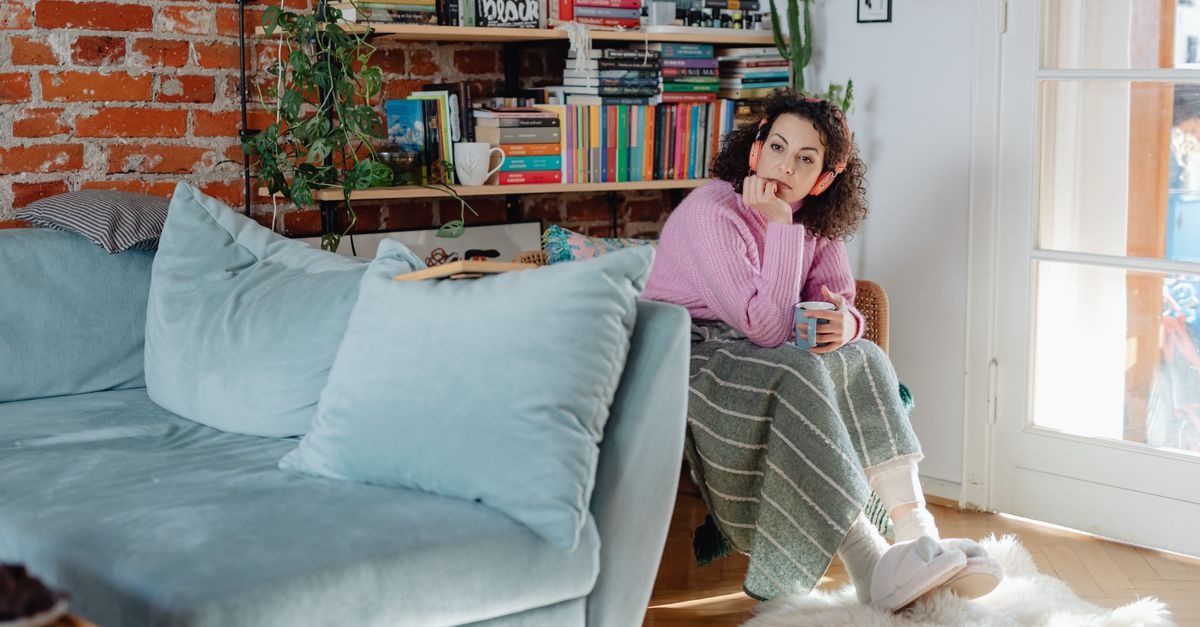
Your house can be beautiful and still leave you restless, distracted, or oddly tense. That gap between the space you live in and the place you love is the core of the question so many of us ask: Why we don’t feel good in our own home. The answer is rarely just about decor. It’s about the small, compound design decisions that shape how you think, move, rest, and connect every day.
This guide unpacks 11 subtle design traps that quietly undermine comfort — and shows you low-lift, high-impact ways to fix them. You’ll learn how to tune light, color, acoustics, layout, and texture so your home supports your mood, habits, and rituals. Whether you rent, own, or share, these ideas will help you create a space that finally feels like yours.
The psychology behind feeling at home
Feeling at home is less about trends and more about belonging, control, and coherence. When those three needs aren’t met, even a well-furnished room can feel off. Before we dive into the 11 traps, here’s why design details matter:
- Belonging: Your space should reflect your story — values, memories, and rituals. Generic rooms deny identity and dampen attachment.
- Control: If daily tasks are a struggle (no landing spot for keys, harsh lighting you can’t dim), stress rises and satisfaction falls.
- Coherence: Visual and sensory harmony helps your brain relax. When colors clash, light flickers, or sound echoes, your body stays alert.
When people ask Why we don’t feel good in our own home, the culprits are often hidden in plain sight. Let’s make them visible — and fixable.
11 subtle design traps — and how to fix them
1) One-note lighting that flattens mood
The trap: A single overhead light tries to do everything — and does nothing well. It creates glare, harsh shadows, and a clinical feel.
Why it unsettles you: Humans respond to light cues. Without layers, rooms feel monotonous by day and jarring by night. Your eyes work harder and your body gets poor signals for winding down.
Fix it:
- Layer three types of light: ambient (overhead or wash), task (reading, cooking), and accent (art, plants, shelves).
- Use warm bulbs for living, dining, and bedrooms (approx. 2700K-3000K) and neutral for work zones (3500K-4000K).
- Add dimmers or smart plugs so you can modulate brightness by time of day.
- Place lamps at multiple heights — floor, table, wall — to soften shadows and create depth.
2) Mismatched color temperature and flicker fatigue
The trap: Mixing bulb temperatures (cool in one lamp, warm in another) or using bulbs that subtly flicker or buzz.
Why it unsettles you: Inconsistent color cast makes rooms feel chaotic in photos and in person. Invisible flicker can trigger headaches and a sense of unease.
Fix it:
- Standardize all bulbs per room to one color temperature family.
- Choose high CRI (90+) LEDs to render colors and skin tones naturally.
- Replace cheap bulbs with flicker-free, dimmable options; avoid mixing different brands if possible.
- Match bulb warmth to the room’s function and materials (warm light flatters wood and textiles; cooler light suits stainless and glass in work areas).
3) Furniture scale and proportion that crowd or dwarf the room
The trap: That oversized sectional you love swallows the living room; a tiny rug makes the space look adrift; bar stools are too tall to sit on comfortably.
Why it unsettles you: Poor scale throws off spatial harmony. You constantly shimmy around furniture or feel like a guest in your own space.
Fix it:
- Keep primary walkways at 75-90 cm minimum; 100-110 cm feels airy.
- Choose rugs that anchor zones: under sofas, the front legs should sit on the rug; in dining rooms, extend 60-75 cm beyond table edges.
- Right-size seating: seat height 43-48 cm; dining tables 73-76 cm high; clearance under tables 61-66 cm.
- Use visual balance: pair one large piece with several medium items; avoid a room full of only small or only massive pieces.
4) Confused flow and blocked sightlines
The trap: Floating furniture without intent, doors that bump into chairs, or a TV that forces traffic across the viewing area.
Why it unsettles you: Your body seeks intuitive paths. When the layout fights movement, you feel friction you can’t name.
Fix it:
- Map desire lines — the natural routes from door to sofa, sofa to kitchen, bed to bath. Keep them clear.
- Zone with rugs, lighting, or shelves rather than walls so flow remains legible.
- Use low-profile storage along pathways and keep tall items to room edges to protect sightlines.
- In small spaces, choose leggy furniture to maintain visual permeability.
5) Visual noise and clutter creep
The trap: Counters covered in mail, too many small decor pieces, open shelving that reads as chaos rather than charm.
Why it unsettles you: Visual clutter taxes working memory. It’s harder to focus, rest, or feel proud of your space.
Fix it:
- Edit surfaces to a one-third rule: one-third functional (lamps, tissue), one-third personal (a plant, a photo), one-third empty.
- Favor closed storage for anything utilitarian; reserve open shelves for 1-2 curated themes (e.g., ceramics and books).
- Create a daily five-minute reset: clear hotspots (entry, coffee table, sink) before bed.
- Contain by category: trays for remotes, baskets for throws, file box for mail.
6) Texture poverty — everything is smooth and cold
The trap: Hard floors, sleek leather, glossy tables, bare windows. The room looks tidy but feels sterile.
Why it unsettles you: Tactile variety signals warmth and safety. Without it, spaces feel echoey and unwelcoming.
Fix it:
- Layer soft with structured: knit throws on leather, linen pillows on a tight-weave sofa, woven shades against crisp walls.
- Use a texture triangle: one plush (shag, velvet), one nubby (bouclé, wool), one natural (rattan, wood grain).
- Ground hard floors with rugs in high-touch zones: living, bedside, under dining.
- Mix sheen levels: matte walls, satin wood, gloss accents to add depth.
7) Unfriendly acoustics that amplify stress
The trap: Echo in open-plan rooms, footsteps from above, whirring appliances, or TV bleed into bedrooms.
Why it unsettles you: Noise elevates cortisol. Persistent echo keeps the nervous system on alert and makes conversation fatiguing.
Fix it:
- Add soft sound catchers: rugs, curtains, upholstered dining chairs, fabric wall panels.
- Seal gaps on doors and windows; use door sweeps and weatherstripping.
- Zone sound: bookcases or screens to break up bounce paths; place soft items opposite hard surfaces.
- White noise or gentle music in work and sleep zones to mask intermittent sounds.
8) Color stories that fight the room’s light
The trap: Choosing paint in-store, then discovering it reads greenish by day and dingy at night. Or saturating small rooms with heavy hues without balancing light.
Why it unsettles you: Color shifts with daylight and bulb warmth. When hue and light clash, rooms feel off-balance and you feel uneasy without knowing why.
Fix it:
- Sample large swatches on multiple walls and observe morning, noon, and evening.
- Pair warm light with warm tints (creams, terracotta, olive) and cooler light with soft neutrals (greige, dusted blues).
- Use high-chroma colors as accents — pillows, art, a single wall — and counter with texture.
- Don’t ignore ceilings: a subtle tint can soften glare and improve perceived height.
9) Decor without identity — the generic catalog effect
The trap: Trend-forward but personal-lite spaces: beige-everything or copy-paste gallery walls.
Why it unsettles you: Without your story in the room, you’ll continue wondering Why we don’t feel good in our own home even when everything “matches.” Belonging requires meaning.
Fix it:
- Curate a personal anchor per room: a travel print, inherited bowl, or handmade textile that starts conversations.
- Design around your rituals — a tea tray station, a reading nook with a task lamp and footrest, a vinyl shelf near the turntable.
- Mix eras and sources: pair a thrifted wood chair with a modern lamp to avoid sameness.
- Frame mementos with gallery-quality mats to elevate memory into design.
10) Nature deficit and poor daylight habits
The trap: Heavy curtains that block morning light, no plants, and little connection to sky or greenery.
Why it unsettles you: Natural light anchors circadian rhythm. Views of nature lower stress and improve mood. Without them, energy and sleep suffer.
Fix it:
- Unblock windows; raise curtain rods higher and wider so panels stack off glass.
- Add biophilic cues: easy plants (pothos, snake plant), wood, stone, and nature imagery where real views are limited.
- Create a morning light ritual — open shades, sit by a window for 10 minutes.
- Use mirrors to bounce daylight deeper into rooms.
11) High-friction storage and upkeep
The trap: No place for everyday items, messy entryways, or cleaning tools stashed far from where they’re used.
Why it unsettles you: Daily micro-frustrations erode contentment. You associate home with tasks that never end.
Fix it:
- Assign a home for every object — and label it. Make the right action the easy action.
- Create a drop zone at the entry: hooks at shoulder height, a tray for keys, a basket for mail, a bench for shoes.
- Store cleaners and tools where they’re used (a small caddy per bathroom, lint roller near sofa).
- Adopt the two-minute rule: if it takes under two minutes, do it now; design for speed with visible, reachable storage.
Room-by-room tweaks that make home feel like home
Once you fix the big traps, tune each room for function, mood, and identity. These quick wins help answer the lingering question of Why we don’t feel good in our own home with practical, room-specific solutions.
Entryway
- Light the threshold with a warm lamp to cue welcome.
- Add a mirror for last looks and to visually widen narrow halls.
- Give every arrival item a place: hooks, tray, shoe rack, umbrella stand.
- Include a small bowl or drawer for things that migrate (earbuds, sunglasses).
Living room
- Center conversation, not the TV: arrange seating in a loose U; angle a chair to soften lines.
- Layer lighting — floor lamp behind sofa, table lamps at corners, picture light for art.
- Use a large rug to connect pieces and absorb echo.
- Display one personal story per surface; keep the rest clear.
Kitchen
- Under-cabinet task lights to eliminate shadow while prepping.
- Declutter counters to one appliance you use daily; stash the rest in a single, easy-access cabinet.
- Zone drawers by task (brew, prep, bake) so movements are intuitive.
- Add a soft runner to warm acoustics and knees.
Dining
- Hang a pendant centered over the table, 70-90 cm above the surface; use a warm bulb.
- Choose upholstered or padded chairs for long, comfortable meals.
- Keep the table clear except a simple centerpiece that can move for board games or work.
Bedroom
- Block blue light before bed; switch to warm lamps and blackout curtains if street light intrudes.
- Prioritize touch: quality sheets, a weighty duvet, a soft bedside rug.
- Bedside essentials only: book, lamp, water, hand cream; charge devices outside the room if possible.
- Personal anchor: a photo, an object from a place you love, or a plant at the dresser.
Bathroom
- Combine bright task lighting at the mirror with soft ambient light for baths.
- Use closed storage for bottles; decant daily items for a spa-like look.
- Add a plant that loves humidity and a plush mat for comfort.
Workspace
- Face perpendicular to a window to avoid glare but still enjoy daylight.
- Task light with adjustable arm; neutral to cool light for focus.
- Background behind your monitor should be calm — one piece of art, not a collage.
- Contain cords and define a single inbox tray for paperwork.
A 48-hour home-feel reset
If you want momentum, here’s a weekend plan to dissolve that nagging sense of Why we don’t feel good in our own home and replace it with clarity and calm.
Day 1 — Light, flow, and surfaces
- Morning: Standardize bulb temperatures per room and add at least one lamp.
- Midday: Reposition furniture for clear paths; remove one piece that blocks flow.
- Afternoon: Declutter three hotspots — entry, kitchen counter, coffee table. Use the one-third rule.
- Evening: Try new light layers; dim lights two hours before bed.
Day 2 — Texture, sound, and identity
- Morning: Add or rearrange rugs, throws, and pillows to layer textures.
- Midday: Hang curtains or add soft panels to tame echo; place a plant near your favorite seat.
- Afternoon: Create a ritual corner (reading, tea, music) with a personal anchor object.
- Evening: Do a 15-minute walk-through and make a punch list for small fixes this month.
Practical checklists and cheat-sheets
Lighting quick checks
- Do I have at least two light sources in every room?
- Are all bulbs in a room the same color temperature?
- Can I dim or soften light in the evening?
Layout and flow standards
- Walkway widths 75-110 cm; no bumping into corners.
- Seating conversation distance 180-240 cm for comfortable talk.
- TV viewing distance about 1.5 times the diagonal for a relaxed gaze.
Identity and story prompts
- What object tells my favorite travel or family story?
- Which daily ritual deserves a dedicated spot?
- What color or material makes me feel grounded — and where can I add it?
Frequently asked questions
Why we don’t feel good in our own home even after redecorating?
Because comfort is multi-sensory and behavioral, not just visual. If light, acoustics, flow, and personal meaning are off, new decor can’t compensate. Tackle the 11 traps — especially lighting layers, storage friction, and identity — before you buy more stuff.
How do I make a rental feel like home without major changes?
Work with what you can control: plug-in lamps, peel-and-stick shades or wallpaper, rugs for texture and acoustics, soft window treatments, and portable storage (carts, bookcases, benches with bins). Personal anchors (art, textiles, mementos) transform sameness into yours.
What’s the fastest way to improve a room that feels off?
Start with light and clutter. Add one warm lamp and clear one surface to one-third functional, one-third personal, one-third empty. Then add a soft layer (rug or throw) and a plant. These four moves quickly shift mood and coherence.
Putting it all together
If you’ve been wondering Why we don’t feel good in our own home, remember: feeling at home is the sum of small, smart choices you repeat across rooms. Layer light. Right-size furniture. Protect flow. Add texture. Calm sound. Align color with light. And weave your story into the space with objects and rituals that matter.
The payoff is immediate and compounding. When your house finally supports how you live — not some abstract ideal — you rest easier, gather more, and love where you are. That’s when your house stops being just a place and truly becomes home.