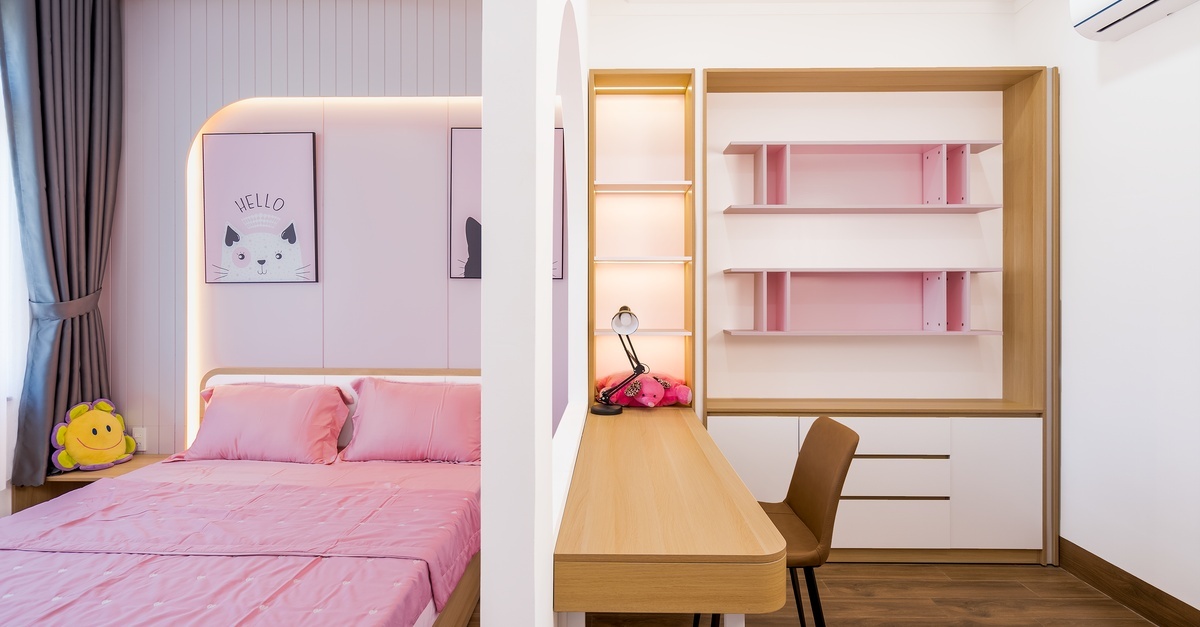
A compact bedroom can become the ultimate teen headquarters when every piece of furniture pulls its weight. The goal isn’t simply to squeeze more stuff into less space—it’s to build a flexible, clutter-resistant layout that supports a teen’s real life: sleeping, studying, storing, and socializing. In this in-depth guide, you’ll learn how to choose furniture for a teen’s small room and create a cohesive, expressive space that adapts as their style and schedule evolve.
We’ll cover layout strategies, multi-functional pieces, storage that looks good, ergonomic study zones, and budget-friendly tips. You’ll also find real-world layout recipes and a quick checklist you can use in-store or while shopping online. Let’s design small—and live large.
Start with Strategy: Measure, Map, and Make a Plan
Before buying anything new, make a plan that fits your room’s exact dimensions and your teen’s daily routines. Thoughtful prep prevents impulse purchases that crowd the room or clash with real needs.
Measure Like a Pro
- Room dimensions: Measure length, width, and ceiling height. Note offsets like alcoves, bulkheads, and sloped ceilings.
- Fixed elements: Mark door swings, windows, heaters/vents, outlets, and radiators. These dictate where furniture can safely go.
- Clearances: Allow walking paths (ideally 24–30 inches/60–76 cm), bed-making access, and chair pull-out space (36 inches/91 cm if possible).
- Delivery fit: Measure hallway turns, stairwells, and doorways so larger pieces can actually get into the room.
Map Four Functional Zones
Even in a tiny bedroom, zoning tames clutter and makes the layout feel intentional. Try these four zones:
- Sleep: The bed or convertible sofa/loft is the anchor. Add a nightstand alternative (a wall shelf or headboard cubby) for essentials.
- Study: A compact desk with task lighting and a supportive chair improves focus and posture.
- Storage: Closet + modular cubes + under-bed drawers handle clothes, gear, and hobbies.
- Hangout: Flexible seating (stackable stools, a pouf, or a window bench) lets friends join without overcrowding.
Plan Traffic Flow and Safety
- No pinch points: Ensure the main path from door to bed to desk is obstacle-free.
- Stable anchoring: Secure tall furniture to studs and choose anti-tip hardware.
- Ventilation: Keep air vents unblocked; avoid pressing big dressers against radiators.
- Light lines: Keep window areas clear for daylight; add blinds or curtains for privacy.
Space-Saving Bed Solutions
The bed consumes the most square footage. Choose a format that earns back space during the day or stores your essentials at night.
Loft Beds: Work (and Store) Under Sleep
Why they work: A loft bed turns vertical height into usable floor space beneath. Perfect for pairing with a desk, a compact wardrobe, or a lounge nook.
- Desk-under combos: Fit a 36–48 inch (91–122 cm) desk under a twin loft; add pegboards and shelves to keep supplies off the surface.
- Closet-under builds: Use garment rods, drawers, and cube storage under the loft to replace a bulky dresser.
- Clearance check: Ensure at least 30 inches (76 cm) between mattress top and ceiling for comfortable sitting.
- Safety: Guardrails on all sides, ladder angle you can climb safely, and anchored frame.
Daybeds and Trundles: Lounge by Day, Sleep Two by Night
Daybeds act like sofas against a wall, opening floor space. Add a trundle for sleepovers. Choose models with pull-out drawers or a captain’s bed base to replace a separate dresser.
- Back cushions: Large bolsters or euro pillows convert a daybed into a comfy couch.
- Under-bed storage: Divide one drawer for linens and another for off-season clothes to declutter the closet.
- Upholstered frames: Soft edges make tight spaces feel cozy and safe.
Murphy Beds and Sofa-Beds: Floor Freedom on Demand
If floor space by day is the priority (for workouts, instruments, or creative projects), a Murphy bed or sofa-bed shines.
- Murphy bed wall units: Include shelves or a drop-down desk panel for maximum function.
- Sofa-beds: Prioritize easy conversion and supportive cushions. Pair with a slim wall shelf as a nightstand.
- Weight and wall type: Verify your wall can support a Murphy bed; professional install is recommended.
Under-Bed Storage: The Hidden Hero
- Integrated drawers: Choose a platform bed with deep drawers, or add rolling bins that fit the bed frame clearance.
- Risers (with caution): Raise a bed only if it maintains stability; choose locking risers and avoid blocking windows.
- Label and segment: Use soft bins for clothes, hard bins for equipment; label so items return to their “home.”
Smart Study Stations that Scale with School
A clutter-free desk boosts productivity. Pick a workstation that fits the room and the way your teen studies—laptop-based, art-focused, or a mix.
Wall-Mounted and Drop-Leaf Desks
- Fold-down desks: Close flush to the wall after homework; perfect beside a bed or under a loft.
- Floating shelves: Add a second floating shelf above for books and a third for decor to keep the desktop clear.
- Stud security: Use proper anchors; a desk holds weight from typing to crafting.
Compact Corner or L-Shaped Desks
Corners are often underused. A corner desk maximizes a tight footprint and creates visual separation from sleep space.
- Shallow depth: 18–22 inches (46–56 cm) works for laptops without crowding the room.
- L-shape bonus: One side for tech, the other for sketching or notebooks.
- Slide-in storage: A rolling pedestal fits under the desk and tucks away when not needed.
Ergonomics for Growing Bodies
- Adjustable chair: Look for seat-height and lumbar support; pair with a footrest if feet dangle.
- Eye level screens: Use a laptop stand or monitor riser; add an external keyboard for wrist comfort.
- Task lighting: A dimmable, pivoting lamp reduces eye strain—place it opposite the dominant hand to cut shadows.
Cable Management and Charging Zones
- Under-desk trays: Tame power strips and cords.
- Mounted outlet strips: Create a dedicated charging bar with USB-C/USB-A.
- Label cords: Save time and frustration by tagging device ends.
Storage That Works Hard (and Looks Cool)
In small rooms, storage is furniture. Aim for modular, adaptable systems that can be rearranged as needs change.
Modular Cubes and Shelving Systems
- Cubes: Mix open and closed bins for display vs. concealment. They stack, span under windows, or act as a headboard wall.
- Track shelves: Adjustable uprights and brackets let you add/shift shelves as collections grow.
- Visual order: Group items by color or type to make the room feel calmer and bigger.
Closet Optimization: Double the Capacity
- Double hang: Add a lower rod for shirts and skirts; reserve full-height for coats and dresses.
- Slim hangers: Velvet or thin plastic hangers save inches and keep garments in place.
- Door organizers: Over-door racks hold accessories, shoes, or bath essentials.
- Drawer inserts: Sort socks, tech cables, and small items to avoid the junk-drawer trap.
Hidden Storage in Plain Sight
- Storage ottomans/benches: Stash seasonal clothes or sports gear; top with a tray as a coffee table substitute.
- Headboard storage: Choose a headboard with shelves or cubbies for books and glasses.
- Bedside shelves: A narrow wall shelf or clip-on caddy beats a bulky nightstand.
Rolling Carts and Caddies
- Mobile hubs: Use a 3-tier cart for art supplies, skincare, or gaming gear—roll it from desk to bed to closet.
- Under-desk caddies: Pull out to work; tuck away to free knee space.
- Label by activity: Homework, hobby, self-care—so the cart stays purposeful.
Seating for Friends Without Eating the Floor
Social time matters. Use flexible seats that store slim or stack up when not needed.
Stackable Stools and Folding Chairs
- Stackables: Keep 2–3 lightweight stools nested in a corner or under a desk overhang.
- Foldables: Hang on wall hooks or the back of a closet door.
- Side-table duty: A sturdy stool doubles as a nightstand in a pinch.
Bean Bags vs. Structured Lounge Chairs
- Bean bags: Ultra-flexible and easy to stash; choose refillable, durable covers.
- Floor chairs: Adjustable backrests give support for gaming or reading.
- Window perch: Add a cushion to a low cube shelf under a window for an instant bench.
Walls and Ceilings: Win the Vertical Game
When floor space is tight, go up. Walls and even ceilings can store, display, and zone the room.
Pegboards, Slatwalls, and Floating Shelves
- Pegboards/slatwalls: Hooks, shelves, and bins rearrange for evolving hobbies.
- Floating shelves: Mount at staggered heights for plants, trophies, or books; anchor to studs.
- Gallery rails: Swap art without new holes—perfect for mood-board energy.
Over-Door and Behind-Door Solutions
- Slim racks: Hang bags, jackets, towels, or belts with zero floor impact.
- Mirror organizers: Full-length mirrors with hidden shelves expand function and light.
Ceiling-Hung Options (Use with Care)
- Hooks into joists: Hang planters or a lightweight hammock chair only if the structure supports it.
- Lighting: Pendant cords free desk space and add drama—use cord covers for safety.
Style and Personality: Make It Theirs
A small footprint can pack a strong vibe. Use color, light, and texture to make the room feel spacious and distinctly teen.
Color Palette Tricks
- Light base, bold accents: Keep walls light to bounce light around; add saturated pops on textiles or one accent wall.
- Monochrome magic: Variations of one hue reduce visual clutter and make the room feel larger.
- Contrast control: High-contrast patterns look great in small doses (pillows, art) to avoid visual noise.
Textiles for Comfort and Acoustics
- Rugs: A single larger rug can unify zones and soften sound more than multiple small mats.
- Curtains: Hang high and wide to make windows feel bigger; consider blackout for better sleep.
- Bedding layers: Mix textures (quilt + knit throw) for depth without crowding.
Lighting Layers: Task, Ambient, and Mood
- Task: Desk lamp or under-shelf light for studying.
- Ambient: A ceiling fixture or wall sconces to flood the room evenly.
- Mood: LED strips along shelves or behind a headboard add glow without bulk.
Display Zones that Stay Tidy
- Cork or magnetic boards: Corral mementos away from the desktop.
- Rotation rule: Display five favorites; store the rest in a labeled bin to swap seasonally.
- Personalized decals: Big flavor, zero footprint—and easy to update later.
Materials, Durability, and Sustainability
Teens live actively. Choose materials that can take daily use, look good, and support healthier indoor air.
What to Look For
- Sturdy frames: Solid wood, quality plywood, or metal for beds and desks.
- Easy-care finishes: Durable laminates or high-quality paint resist dings and wipe clean.
- Hardware matters: Smooth drawer glides and strong hinges extend furniture life.
Safer, Greener Choices
- Low-VOC finishes: Look for Greenguard or similar certifications to reduce indoor pollutants.
- Responsible wood: FSC-certified lumber and bamboo are solid picks.
- Buy once, buy modular: Systems that reconfigure reduce waste as needs change.
Pieces that Grow with Your Teen
- Adjustable desks/chairs: Shift heights as they grow.
- Modular storage: Add cubes or shelves over time.
- Neutral basics: Anchor pieces in versatile finishes; update personality through textiles and art.
Budget-Savvy Strategies
Smart spending focuses on high-impact upgrades and creative workarounds.
Where to Splurge vs. Save
- Splurge: Mattress, desk chair, and core storage (closet system) for health and daily convenience.
- Save: Accent tables, stools, and decor that may change with trends.
- Mid-tier: A durable desk or loft frame that’s safe and stable.
Thrift, Upcycle, and Hacks
- Thrift finds: Solid wood dressers or bookshelves can be sanded and repainted.
- Upcycle: Turn a narrow console into a vanity desk with a wall mirror.
- Flat-pack hacks: Swap knobs, add trim, or paint two-tone for a custom look.
DIY Quick Wins
- Under-shelf lighting: Stick-on LED bars brighten a desk or closet.
- Pegboard station: Paint in a bold color and outfit with cups, hooks, and shelves.
- Headboard shelf: Mount a strong floating shelf as a minimalist nightstand.
Layout Recipes: Real-World Small Rooms
Use these templates as starting points, then tweak to fit your measurements and must-haves.
8×10 ft (2.4×3 m) Narrow Room
- Bed: Twin daybed on the long wall with under-bed drawers.
- Desk: 40-inch (102 cm) wall-mounted desk opposite the window for even light.
- Storage: 2×4 cube unit as headboard plus a rolling cart for school supplies.
- Seating: Two stackable stools nested under the desk overhang.
- Flow: Clear path from door to bed; chair tucks fully under the desk.
Attic Room with Sloped Ceiling
- Bed: Place the head under the lowest slope; use a low-profile bed frame.
- Desk: Position under a dormer window; add a shallow hutch to keep vertical items secure.
- Storage: Custom or modular low dressers along the knee wall; add lidded bins for offseason gear.
- Lighting: Wall sconces instead of tall lamps to avoid head bumps.
Shared Small Room for Siblings
- Bed: L-shaped bunk + daybed trundle for guests; or two lofts with desks underneath.
- Privacy: Use a curtain or sliding panel to zone study areas.
- Storage: Color-code bins per teen; split closet with labeled sections.
- Rules: Shared calendar and bin rotation keep clutter fair and manageable.
Common Mistakes to Avoid
- Buying before measuring: Even a 1-inch misfit can derail the plan.
- Ignoring vertical space: Walls can carry 30–50% of your storage load.
- Too many small surfaces: Lots of tiny tables create clutter; consolidate function.
- Over-the-top themes: Go heavy on accents, light on permanent finishes for easy updates.
- Harsh overhead-only lighting: Add task and ambient layers.
- No cable plan: Cord chaos eats desk space and patience.
- Neglecting sleep needs: Noisy decor or bright LEDs near the bed can disrupt rest.
Quick Checklist: How to choose furniture for a teen’s small room
- Measure everything: Room, door swings, windows, outlets, and delivery paths.
- Define zones: Sleep, study, storage, hangout—pick furniture that serves at least two.
- Prioritize multi-function: Loft/daybed with drawers, fold-down desk, storage ottoman.
- Go vertical: Pegboards, floating shelves, over-door racks, wall sconces.
- Keep clearances: 24–30 inches for walkways; 36 inches behind desk chairs.
- Ergonomics first: Supportive chair, eye-level screen, good task lighting.
- Integrate storage: Under-bed bins, closet double-hang, labeled cubes.
- Light palette + bold accents: Amplify space while expressing personality.
- Plan cables: Under-desk tray, charging station, labeled cords.
- Think long-term: Durable materials, modular systems, low-VOC finishes.
FAQs
Q: What bed size works best in a small teen room?
A: A twin or twin XL maximizes floor space. If your teen is taller, twin XL keeps legs comfortable without adding width. Pair with a loft or storage base for extra function.
Q: Are loft beds safe for teenagers?
A: Yes—choose models with full guardrails, a sturdy ladder, and proper anchoring. Maintain a safe ceiling clearance and avoid overhead fans nearby.
Q: How can we fit a desk if there’s barely any room?
A: Use a wall-mounted fold-down desk or a shallow console (18–20 inches deep). Add vertical storage with pegboards and shelves so the desktop stays clear.
Q: What’s the best way to reduce clutter?
A: Give every item a “home.” Use labeled bins, drawer dividers, and a weekly 10-minute reset. Swap seasonal clothes to under-bed drawers and keep only daily-use items accessible.
Q: How do we personalize the space without shrinking it visually?
A: Keep big surfaces light and add color through removable decals, bedding, art, and LED strips. Use one focal wall or a statement headboard to deliver style without crowding.
Q: Any budget-friendly furniture ideas?
A: Thrift a solid dresser and repaint, try flat-pack hacks (new hardware, trim), use a rolling cart for flexible storage, and add stick-on lighting for instant function.
Final Thoughts and Next Steps
Designing a compact teen bedroom is about smart choices and creative combinations. Select flexible pieces—like loft beds with desks, daybeds with storage, fold-down workstations, and modular shelving—that adapt as school, hobbies, and style evolve. With careful measuring, zone planning, and a few personality-forward accents, your small room can broadcast big energy and support everything your teen does.
Ready to get started? Measure the room, list the must-have zones, and choose one high-impact upgrade this week—perhaps a wall-mounted desk or a storage-rich bed base. Then layer in vertical storage and lighting. Bit by bit, you’ll turn square feet into a space that truly fits.
Bonus: Furniture Shortlist for Tiny Teen Rooms
- Loft bed with under-loft desk/closet
- Daybed with trundle and drawers
- Fold-down wall desk and floating shelves
- Modular cube system (some open, some with bins)
- Storage ottoman/bench for seating + stash
- Rolling cart for supplies or skincare
- Stackable stools and a floor chair
- Pegboard/slatwall over desk
- Over-door rack and mirror organizer
- LED task lamp and soft ambient lighting
Use this guide as your roadmap on how to choose furniture for a teen’s small room and you’ll build a space that’s compact, comfortable, and unmistakably theirs.