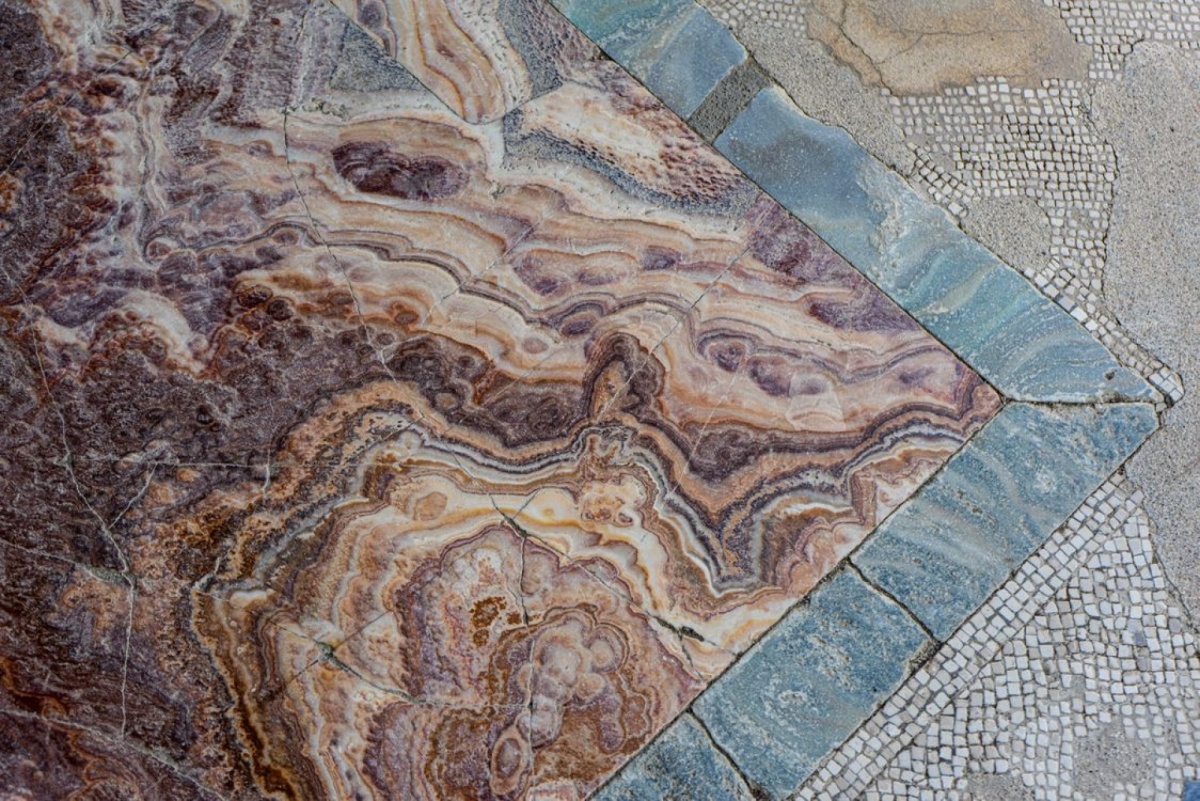
The surprising part is that damage rarely happens overnight. It builds gradually through repeated exposure to unsuitable products, incorrect techniques and well-intentioned maintenance. Small marks become dull patches, polished finishes lose their shine, and tiny scratches eventually change the appearance of an entire room.
Understanding what causes this gradual wear makes it much easier to protect natural stone and avoid expensive repairs later. A few simple changes can keep floors looking their best for many years.
Cleaning products that do more harm than good
One of the biggest misconceptions is that all household floor cleaners are suitable for natural stone. In reality, many popular products are designed for ceramic tiles, vinyl or laminate rather than materials formed by nature over thousands of years.
Acidic cleaners are among the most common culprits. Products containing vinegar, lemon juice or strong limescale removers react with calcium-based stones such as marble and limestone. Instead of removing dirt safely, they slowly etch the surface, leaving dull marks that become increasingly noticeable in natural daylight.
Bleach can also create problems. While it may appear to disinfect effectively, repeated use may weaken sealants and alter the natural colour of certain stones. Strong alkaline products can have a similar effect over time, especially when used frequently.
Even products labelled as "multi-purpose" deserve careful attention. Marketing claims often focus on versatility rather than suitability for delicate surfaces. Reading the label before using any cleaner is a simple habit that can prevent years of unnecessary wear.
Another overlooked issue is using excessive amounts of detergent. More soap does not produce cleaner floors. Instead, it often leaves behind a residue that attracts dust, reduces the natural sheen and creates a cloudy appearance that becomes increasingly difficult to remove.
Everyday habits that slowly wear away the finish
Cleaning products are only part of the story. The methods used every week can be just as damaging.
Dragging chairs, plant pots or heavy furniture across the floor is one of the quickest ways to create fine scratches. Individually they may seem insignificant, but together they scatter light differently and gradually reduce the polished appearance of the stone.
Using dirty mop heads is another surprisingly common mistake. Tiny particles of grit become trapped in the fibres and effectively turn each cleaning session into a gentle sanding process. Washing or replacing mop heads regularly helps minimise this hidden source of abrasion.
Too much water can also create problems. Some natural stones are porous and absorb moisture if left wet for extended periods. Over time this can contribute to staining, mineral deposits or even slight discolouration around joints and edges.
Entrance areas deserve particular attention. Shoes often bring in fine sand and grit that behave like sandpaper beneath people's feet. A quality entrance mat removes much of this debris before it reaches the flooring, reducing daily wear without requiring any extra effort.
Pets can contribute as well. Tiny stones trapped between paw pads or claws that have become slightly overgrown may leave light scratches, particularly on highly polished marble surfaces. Keeping pets' nails trimmed and wiping paws after muddy walks offers benefits for both the floor and the rest of the home.
When maintenance becomes restoration
Even with careful maintenance, natural stone eventually begins to lose some of its original appearance. Years of foot traffic, sunlight, furniture movement and routine cleaning inevitably leave their mark.
Fortunately, this does not usually mean the floor needs replacing. Professional restoration techniques can often revive surfaces that appear permanently worn.
Many homeowners are surprised to discover how much of the original finish can be recovered through specialist marble floor polishing services. Rather than simply adding surface coatings, experienced professionals remove microscopic imperfections, restore clarity to the stone and create a finish that reflects light much more evenly. In many cases, floors that looked tired and lifeless regain much of the elegance they had when first installed.
Professional restoration also provides an opportunity to reseal the stone correctly. A high-quality seal helps reduce staining, limits moisture absorption and makes routine cleaning easier in everyday life. It does not make the floor maintenance-free, but it gives homeowners a much stronger starting point for long-term care.
Regular inspections can also identify small issues before they become major ones. Tiny chips, isolated stains or localised wear are generally easier and less expensive to address than widespread deterioration across an entire room.
Small changes today help preserve natural beauty tomorrow
Natural stone is remarkably durable, but it rewards thoughtful care rather than aggressive cleaning. Choosing pH-neutral products, reducing abrasive dirt, avoiding excessive moisture and treating the surface with appropriate professional care when needed all contribute to preserving its appearance for decades.
The best maintenance routine is often the simplest one. Gentle cleaning performed consistently usually achieves far better long-term results than occasional deep cleaning with harsh chemicals.
Looking after natural stone is less about working harder and more about making informed choices. Those small decisions made every week can determine whether a floor continues to age gracefully or slowly loses the beauty that made it such a worthwhile investment in the first place.