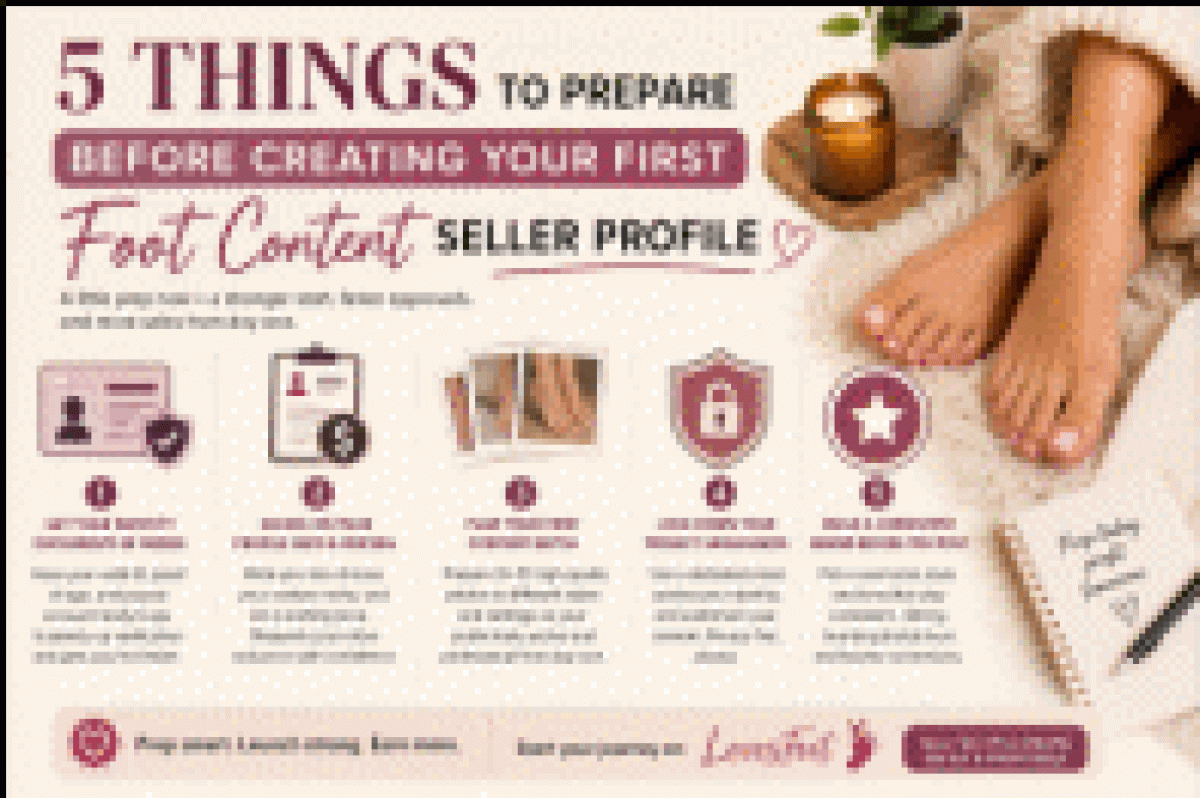
Signing up takes ten minutes. Being ready to actually succeed once you're signed up takes a little more planning. Most people researching how to start selling foot content online jump straight to the registration form, then hit a wall when the platform asks for documents they don't have, or realize on day three that they never thought about pricing, privacy, or what their profile is even supposed to look like. Doing the prep work first means your account goes live ready to earn instead of sitting half-finished while you scramble to catch up. Here are the five things worth sorting out before you create your profile.
1. Get Your Identity Documents in Order
Every legitimate marketplace verifies who you are before letting you sell, and the process moves a lot faster when your documents are ready to go. You'll typically need a government-issued photo ID, a way to confirm your age and legal name, and a bank account or payout method in your own name. This step trips up more new creators than any other part of onboarding. On OnlyFans, roughly two out of three new creators reportedly fail their first identity verification attempt, and the culprits are almost always avoidable: blurry photos, expired documents, or a name on the ID that doesn't match the name on the payout account. Before you start registering anywhere, pull your ID out, check the expiration date, and take a well-lit test photo of it on your phone. That five minutes of prep can save you a frustrating back-and-forth later.
2. Decide on Your Profile Information and Pricing
Before you sit down to build your profile, have a rough draft ready of who you're presenting yourself as. That means a bio that's honest but not overly personal, a sense of what categories or content types you want to offer, and a starting price range. New sellers who show up without a pricing plan tend to either underprice out of nerves or guess too high and get no traffic. Look at a few active listings in your niche first, note the range, and land somewhere reasonable for a first-time seller rather than trying to compete with established accounts on day one. You can always adjust once you see real demand.
3. Plan Your First Content Batch
Don't register and then scramble to shoot your first photos that same afternoon. Plan a batch instead. A solid starting set usually includes a mix of angles, settings, and styles so your profile doesn't look like a single rushed photoshoot. Think about lighting, background variety, and a few different looks (bare feet, in sandals, with polish, whatever fits your niche) so buyers browsing your profile see range rather than five nearly identical shots. Having 10 to 15 solid pieces ready before launch means your storefront looks active and established from the moment it goes live, rather than sparse and unfinished.
4. Lock Down Your Privacy Safeguards Before You Post Anything
This is the step people skip and regret. Before your first upload, decide how you'll protect your identity: a dedicated email for the platform, no visible tattoos, jewelry, or backgrounds that could identify your home or city, and a watermarking plan for your images. Content theft is a real risk for any creator posting original photos online. Across the wider creator economy, close to three-quarters of creators report having had content stolen and reposted without credit at some point, and while a watermark won't stop a determined thief, it does deter the large majority of casual reposting and makes stolen content easier to trace back to you if it turns up somewhere it shouldn't. Set your watermark style, your privacy boundaries, and your rules for what never gets shown (face, feet with distinguishing marks, location clues) before you shoot a single photo, not after something's already out there.
5. Build a Consistent Brand Before You Post
Branding sounds like a big word for a foot content profile, but it just means picking a look and sticking to it: a consistent username, a coherent photo style, and a tone in your bio and captions that stays the same from post to post. This matters more than most new sellers expect. In the broader creator marketplace world, sellers who commit to consistent visual branding, instead of a mismatched grab-bag of styles, tend to see conversion rates climb by a meaningful margin, since buyers develop trust faster when a profile feels intentional rather than thrown together. You don't need a professional designer. Pick a simple aesthetic, a consistent editing style, and a username that's easy to remember, then keep it steady as you grow.
Putting It All Together
None of these five steps take more than an evening to sort out, but doing them before you register is what separates a profile that gets traction in its first week from one that sits quiet for a month. Once your documents, pricing plan, content batch, privacy rules, and branding are ready, registration itself becomes the easy part. If you're weighing where to actually set up shop, the best site to sell feet pics is the one that verifies its sellers, keeps your personal information separate from your public profile, and gives you the tools to price, brand, and protect your content without a steep learning curve, which is exactly what LovesFeet is built to do for creators who want to sell feet pics online without cutting corners on safety.