Your balcony can be a thriving, beautiful oasis—an edible, pollinator-friendly haven just outside your door. But compressed space and urban microclimates can also invite aphids, mites, whiteflies, and other persistent pests. The good news: you can safeguard your containers without turning to harsh chemicals. This comprehensive guide walks you through eco-smart, evidence-based practices that keep problems small and harvests big. You’ll learn how to blend prevention, habitat support, and targeted interventions into a single, simple routine perfectly suited to compact spaces.
At the heart of this approach is natural pest control for balcony gardens: a practical toolkit that fits a few pots, a railing planter, or a full-blown container jungle. By focusing on plant health, observation, and the least-disruptive actions first, you’ll create a resilient mini ecosystem where issues rarely spiral—and when they do, you’ll have gentle, effective options ready to go.
Know Your Balcony Ecosystem
Microclimate: Wind, Sun, and Heat Pockets
Every balcony is its own weather station. High floors often get stronger wind that desiccates leaves and soil; lower levels might suffer from stagnant air and higher humidity. South- and west-facing spaces can turn scorching in midsummer, stressing plants and accelerating pest reproduction, while north-facing balconies may favor moisture-loving issues like fungus gnats. Observe your space across the day and week: where does sunlight linger, where does water pool, and when does the wind whip? Tailoring your plant choices and watering schedule to these patterns is your first line of defense.
Common Balcony Pests: A Quick Profile
Urban containers attract a familiar cast of characters:
- Aphids: Soft-bodied sap suckers clustering on tender tips; leave sticky honeydew.
- Spider mites: Minuscule, thrive in heat and dryness; cause stippling and fine webbing.
- Whiteflies: Tiny moth-like insects; cloud up when you disturb foliage; weaken plants via sap feeding.
- Thrips: Slender, fast; scrape and suck, leaving silvery streaks on leaves and petals.
- Mealybugs and scale: Wax-coated sap feeders; hide on stems and leaf nodes.
- Fungus gnats: Mosquito-like adults from overwatered media; larvae nibble roots.
- Caterpillars and leaf miners: Chew or tunnel through leaves, leaving holes or squiggly trails.
- Slugs and snails: Nighttime grazers; more common at lower floors near landscaping.
- Ants: Farm aphids for honeydew; protect them from predators.
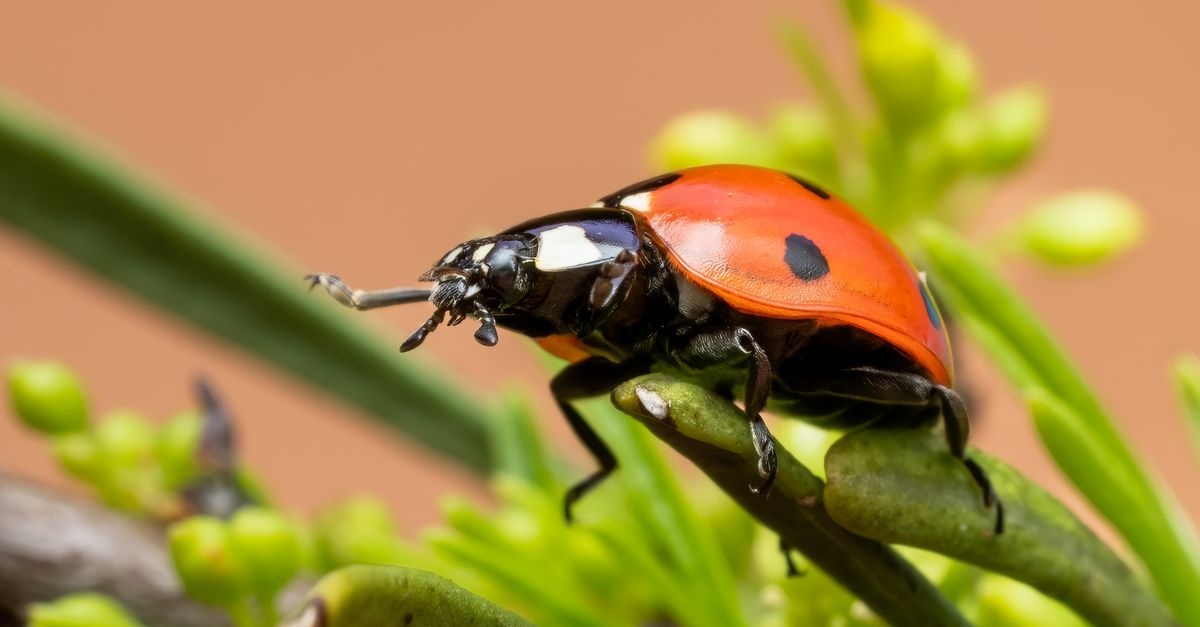
Happily, many have natural checks: lady beetles, lacewings, parasitoid wasps, predatory mites, and birds. Your job is to favor allies and frustrate pests.
The Balcony-Sized IPM Blueprint
Integrated Pest Management (IPM) is a simple, tiered strategy that emphasizes prevention, monitoring, and least-toxic intervention. It’s the perfect framework for natural pest control for balcony gardens because it works in tight spaces and avoids collateral damage.
1) Prevent
Healthy plants resist pests. Choose resilient varieties, provide appropriate light, water, and nutrition, and keep things clean. Prevention reduces outbreaks before they begin.
2) Monitor
Check plants weekly (or every time you water). Look under leaves, examine new growth, and use sticky cards. Early detection means tiny problems—easy to solve.
3) Intervene Strategically
Start with cultural and mechanical tactics (airflow, pruning, water jets), step up to biological controls (beneficial insects, microbes), and reserve gentle sprays (soaps, oils) for persistent cases. Always protect pollinators and beneficials by timing and targeting your actions.
Prevention That Works in Containers
Start with Clean, Draining Potting Mix
Use a high-quality, peat-free or sustainably sourced potting blend designed for containers. It should drain well yet hold moisture. Never scoop soil from garden beds—it compacts in pots and can introduce pests or pathogens. If reusing old media, pasteurize it in the sun or mix fresh with mature compost and perlite for structure.
Water with Intention
Overwatering invites fungus gnats and root rot; underwatering stresses plants and makes them tasty to sap suckers. Water deeply but infrequently, letting the top inch dry between sessions. In heat waves, add a 2–3 cm mulch layer (shredded leaves, straw, or coco chips) to buffer moisture and temperature.
Airflow, Spacing, and Pruning
Balconies can trap heat and humidity. Space pots so leaves don’t constantly touch. Prune leggy growth and remove congested inner stems. Good airflow disrupts pest lifecycles, especially mites and fungal diseases.
Feed for Steady Growth, Not Soft Tissue
Excess nitrogen fuels rapid, succulent growth that aphids adore. Opt for slow-release organic fertilizers and compost-based teas used sparingly. Aim for steady, compact growth—tougher leaves, fewer pests.
Sanitation and Quarantine
Clean spent leaves, dead blooms, and plant litter weekly. They harbor eggs and disease. Quarantine new plants for 7–10 days away from your main collection; inspect twice before integrating. Wipe pruners with alcohol between plants.
Smart Plant Partners: Companion Planting in Pots
Herbal Bodyguards
Fragrant herbs can muddle pest signals and attract helpful predators. Try these in separate pots or as edges in large containers:
- Basil near tomatoes and peppers; repels flies and pairs deliciously in the kitchen.
- Rosemary, thyme, and lavender thrive in heat; their oils deter sap-suckers and some beetles.
- Mint (in its own pot) can confuse pests with aromatic foliage; use cut stems as surface mulch around vulnerable crops.
- Chives and garlic offer mild repellency; interplant with strawberries or lettuce.
Flower Power for Allies
Small, nectar-rich blooms sustain natural enemies. Consider:
- Sweet alyssum: A beneficial magnet that fits in railing planters.
- Calendula and cosmos: Extended bloom windows for predatory bugs.
- Dill, fennel, and coriander (allowed to flower): Umbels invite parasitoid wasps and hoverflies.
Trap and Decoy Crops
Nasturtium can lure aphids and caterpillars away from brassicas and tomatoes, making infestations easier to isolate and treat. Keep trap pots slightly removed from your main containers and inspect daily.
Physical Barriers That Don’t Spoil the View
Insect Netting and Mesh Domes
Lightweight insect netting or tulle keeps flying pests off leafy greens and brassicas while allowing air and light. Use collapsible mesh food covers or DIY hoops from flexible wire. Secure with clips—windproofing is crucial on taller buildings.
Row Covers and Cloches
Floating row covers act like breathable shields. For individual pots, upturned clear cloches protect seedlings from early attacks; vent on hot days to prevent overheating.
Copper, Sticky Barriers, and Reflective Mulch
On lower balconies, apply copper tape to pot rims to deter slugs. For ants, use sticky barrier gels on pot stands (never directly on stems of edible plants). Reflective mulches can disorient whiteflies and aphids, reducing landings.
Mechanical and Habitat Tactics
Hands, Water, and Pruners
For small outbreaks, the simplest tools win. Pinch or wipe aphids, then rinse plants with a firm jet of water from below leaves upward. Prune heavily infested tips and bin them—don’t compost unless you hot-compost offsite.
Sticky Traps (Used Wisely)
Yellow cards attract aphids and whiteflies; blue cards draw thrips. Place traps near, not inside, flowering areas to reduce bycatch of helpful insects. Rotate cards frequently and use them mainly as monitoring tools, not the sole control method.
Vacuum and Shake Tactics
For whiteflies, a small handheld vacuum on low power can reduce adults quickly—empty the canister into soapy water. Morning is best, when pests are sluggish.
Habitat Enhancements
Even in tight spaces, you can host allies. Plant continuous-bloom flowers, leave a tiny dish of water with stones for insects to perch, and avoid blanket spraying. A little habitat goes a long way on a balcony.
Biological Controls You Can Use at Home
Biocontrols bring precision to natural pest control for balcony gardens. They target pests without broad harm when applied correctly.
Beneficial Insects
- Lady beetles and lacewings: Excellent for aphids, mealybugs, and soft-bodied pests. Release at dusk after misting leaves so they settle in.
- Predatory mites (e.g., Phytoseiulus persimilis for spider mites; Amblyseius swirskii for whiteflies and thrips): Ideal in warm, dry conditions where their prey thrives. Follow supplier climate guidance.
- Parasitoid wasps (Encarsia/Trichogramma): Microscopic allies for whiteflies and caterpillars; best as preventative releases when you first spot low numbers.
Beneficial Nematodes
Steinernema feltiae targets fungus gnat larvae. Mix with water and drench the potting medium in the evening. Keep soil evenly moist for a week to support their activity.
Microbial Controls
- Bt var. kurstaki: Targets caterpillars; spray when you see fresh chewing damage. Reapply after rain and avoid spraying flowers.
- Bti (Bacillus thuringiensis israelensis): For fungus gnat larvae; apply as a soil drench per label.
- Beauveria bassiana: A beneficial fungus that infects various soft-bodied pests. Works best with good humidity; avoid direct sun right after spraying.
Always buy fresh, store cool, and follow label instructions for timing and temperature. These living solutions are potent but perishable.
Gentle Sprays and Dusts (When You Need Them)
Sometimes a stubborn outbreak calls for direct action. Opt for products and recipes that spare allies whenever possible and use them with precision.
Insecticidal Soap
Soaps disrupt soft-bodied pests on contact. Use a commercial ready-to-use product or mix a gentle solution (for example, 1–2 teaspoons of pure liquid castile soap per liter of water). Test-spray one leaf, wait 24 hours, then treat the undersides thoroughly. Avoid use on heat-stressed or drought-stressed plants.
Neem and Horticultural Oils
Neem oil and light horticultural oils smother eggs and small insects while deterring feeding. Spray at dusk to protect pollinators and prevent leaf burn. Do not apply during peak sun or on plants in full bloom. Reapply at 7–10 day intervals only as needed.
Diatomaceous Earth (DE)
Food-grade DE is a dust that abrades crawling pests. Apply a light ring on soil surfaces or pot rims; reapply after rain or watering. Wear a mask during application and keep it dry to remain effective.
DIY Herbal Sprays
Garlic, chili, and ginger infusions can repel sap-suckers. Combine finely chopped cloves or peppers with hot water, steep 24 hours, strain, and dilute before spraying. Spot-test first. For mealybugs, dab with isopropyl alcohol using a cotton swab. For fungus gnats, a 3% hydrogen peroxide solution diluted 1:4 with water can be used as a soil drench, applied sparingly.
Safety and Selectivity
Even gentle solutions can harm allies if misused. Target pests directly, spray in the evening, and avoid open blooms whenever possible. Always read labels, especially in edible gardens.
Pest-by-Pest Playbook
Aphids
Signs: Clusters on tender growth; curled leaves; honeydew and sooty mold. Quick wins: Blast with water; pinch infested tips; introduce lady beetles or lacewings; spot-spray with soap. Long game: Balance nitrogen, interplant with alyssum and dill, and disrupt ant attendance using sticky barriers on pot stands.
Spider Mites
Signs: Stippled leaves, fine webbing, dusty look in hot, dry spells. Quick wins: Increase humidity briefly with misting (morning only), rinse undersides, prune hotspots. Long game: Release Phytoseiulus persimilis; avoid chronic drought stress; ensure airflow.
Whiteflies
Signs: A puff of tiny white insects when touched; sticky leaves. Quick wins: Yellow traps for monitoring; vacuum adults at dawn; soap or oil on leaf undersides. Long game: Introduce Encarsia wasps; use reflective mulch early in the season; keep nearby weeds trimmed.
Thrips
Signs: Silvery streaks, distorted petals, black specks (frass). Quick wins: Blue sticky cards; prune damaged blooms; targeted soap sprays. Long game: Release Amblyseius swirskii; maintain flowering allies (alyssum) to support predators.
Mealybugs and Scale
Signs: Cottony tufts (mealybugs) or hard bumps (scale) on stems and nodes; sticky honeydew. Quick wins: Alcohol swabs; prune infested stems; horticultural oil to smother. Long game: Strengthen plant vigor with consistent light and feeding; encourage parasitoids with umbels (dill, fennel).
Fungus Gnats
Signs: Tiny flies around soil; seedlings stall; algae on surface. Quick wins: Let topsoil dry; add a 1 cm sand or fine gravel top-dress; yellow cards near soil. Long game: Drench with Steinernema feltiae or Bti; switch to bottom watering; improve drainage.
Caterpillars and Leaf Miners
Signs: Chewed edges, pellet frass, or squiggly mines inside leaves. Quick wins: Handpick at dusk; use mesh covers over greens; apply Bt kurstaki. Long game: Encourage birds with safe perches; rotate host plants and use decoy nasturtium.
Slugs and Snails
Signs: Ragged holes and slime trails. Quick wins: Nighttime handpicking; copper tape on pots; beer traps placed away from prized plants. Long game: Raise containers off the ground; keep the balcony tidy and dry around pots.
Ants (and Their Aphid Farms)
Signs: Trails to new growth; aphids protected from predators. Quick wins: Break trails with cinnamon or diatomaceous earth bands on stands; sticky barriers on supports. Long game: Reduce honeydew sources by controlling aphids; seal entry points to the balcony where possible.
Seasonal and Climate-Specific Tips
Spring Onboarding
Quarantine new plants for a week. Refresh potting mix and scrub pots with a mild soap. Install sticky cards to establish a baseline for monitoring. Start early with companion flowers so beneficials have nectar as the season ramps up.
Summer Heatwaves
Heat boosts mite and whitefly reproduction. Shift watering to early morning, add mulch, and provide midday shade cloth if needed. Mist foliage lightly at dawn (not dusk) to deter mites without inviting disease. Scout every 2–3 days.
Rainy or Humid Periods
Elevate pots for drainage, thin foliage for airflow, and avoid overhead watering. Expect more fungus gnats—lean on top-dressing with sand and consider a Bti drench.
Fall Clean-Up and Overwintering
Remove spent annuals and deep-clean. Inspect perennials before bringing them indoors. A preventative oil spray (where appropriate) can reduce overwintering pests on dormant wood—always check plant sensitivity first.
Balcony-Safe Supplies Checklist
- Quality potting mix and perlite for drainage
- Slow-release organic fertilizer
- Insect netting, clips, and stakes/hoops
- Sticky cards (yellow and blue) for monitoring
- Hand sprayer with fine mist and stream settings
- Insecticidal soap and light horticultural oil
- Neem oil and food-grade diatomaceous earth
- Beneficials: predatory mites, nematodes, or lady beetles (as needed)
- Copper tape (for slug-prone lower balconies)
- Pruners, alcohol wipes, and a magnifying lens
Frequently Asked Questions
Is it realistic to avoid all pesticides on a balcony?
Yes—if you invest in prevention and timely monitoring. When intervention is needed, gentle, targeted tools (soap, oils, microbes) usually suffice. The key is early action and protecting beneficials.
How often should I check my plants?
Give them a quick scan at each watering and a 5–10 minute weekly inspection with a focus on new growth and leaf undersides. Sticky cards help you track trends.
Can I release beneficial insects on a high-rise balcony?
Absolutely. Release at dusk, lightly mist foliage first, and provide nectar sources. Many beneficials will remain while prey is present and conditions suit them.
What’s the fastest way to stop an aphid outbreak?
Combine a firm water rinse, pruning of worst tips, and a targeted soap spray. Follow with companion blooms and ant management to prevent rebounds.
Are DIY sprays safe for edibles?
Most mild, plant-based recipes are safe when diluted and properly tested. Avoid overuse, spray at dusk, and rinse harvests. When in doubt, choose labeled products for edibles.
A 10-Minute Weekly Routine
- Scan tops and undersides of leaves; check sticky cards.
- Snip damaged tips and remove leaf litter.
- Rinse hotspots with a firm water jet.
- Refresh mulch and check soil moisture before watering.
- Rotate pots for even light and airflow.
- Note any trends (more gnats? webbing?) and act early.
Bringing It All Together
On a balcony, you don’t need a shed full of chemicals to stay ahead of pests. You need a system: clean starts, smart spacing, supportive companions, early detection, and precise, gentle responses. This is the essence of natural pest control for balcony gardens—practical, effective, and kind to the tiny ecosystem that makes your mini garden possible. Start with prevention, keep your eyes open, and intervene lightly but decisively when needed. Your reward: crisp lettuces, glossy peppers, fragrant herbs, and the peace of mind that comes from gardening in harmony with nature.
Quick Reference: Strategy Map
- Prevention: Clean potting mix, measured watering, balanced feeding, airflow.
- Habitat: Alyssum, dill, calendula; water dish with stones; avoid blanket sprays.
- Barriers: Insect netting, copper tape, reflective mulch.
- Mechanicals: Water jets, pruning, vacuuming, sticky cards for monitoring.
- Biologicals: Predatory mites, lady beetles, parasitoids, nematodes, Bt/Bti.
- Gentle Sprays: Soap, oils, DE, and cautious DIYs—timed for dusk, targeted to pests.
From the first seedling to your final harvest, these eco-smart tactics make city gardening simpler and more satisfying. With practice, you’ll find that most issues can be nudged back into balance—no harsh measures required.