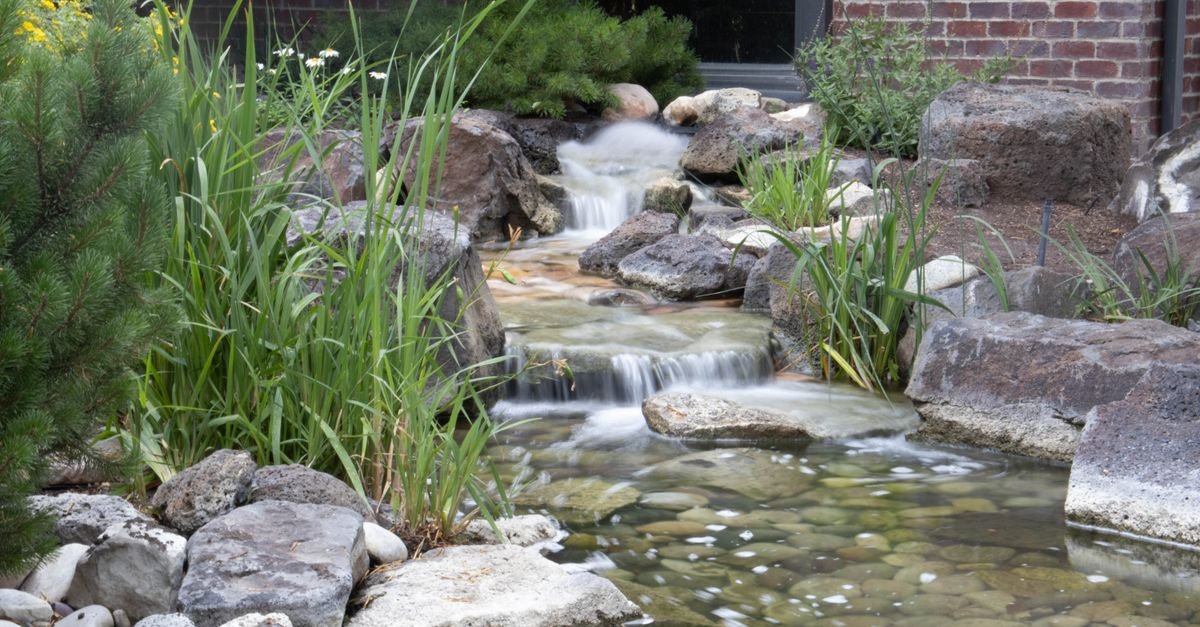
There’s a special kind of calm that comes from water held gently in place by plants and stone—no whirring motors, no cables, just a living bowl brimming with dragonflies, reflections, and soft ripples of wind. In this guide to Tiny Tranquility, you’ll learn how to create a thriving small garden pond without a pump, using natural processes to purify water, control algae, and welcome wildlife. Whether you have a compact yard, a patio nook, or a narrow side garden, a modest, intentionally designed pond can become your favorite place to pause, observe, and breathe.
Why Choose a Pump-Free Pond?
Electric pumps and filters can be useful, but for small spaces and serene aesthetics, a pump-free pond offers compelling advantages:
- Lower cost and zero energy use: Build it once, then let photosynthesis, gravity, and beneficial microbes keep things in balance.
- Quiet beauty: Enjoy true stillness—perfect for reflection, birds, and shy amphibians sensitive to constant vibration.
- Wildlife magnet: A gentle water surface and dense planting invite dragonflies, newts, frogs, and pollinators.
- Lower maintenance (done right): With the proper plant mix and depth, nature does the heavy lifting.
- Small-space friendly: Even a 120–500 liter bowl or shallow ground-level basin can host a robust ecosystem.
The secret is treating your pond as a living system rather than a water feature. That means designing for balance from the start and embracing plants as your “filter.”
Core Principles of a Self-Balancing Water Garden
Creating a small garden pond without a pump hinges on a few ecological design rules. Honor these, and your pond will reward you with clear water and abundant life.
1) Right Size, Right Depth
- Volume buffers change: Even a tiny pond benefits from more water mass. Aim for at least 300–500 liters (80–130 gallons) if possible; bigger equals more stable.
- Depth tiers: Include shelves at 10–20 cm (marginals), 30–40 cm (transition), and a deeper pocket around 45–60 cm for thermal refuge. Deeper spots help in summer heat and winter cold.
- Gentle slopes: Ramp one side so wildlife can enter and exit easily—this also prevents trapped critters and improves access for maintenance.
2) Plant-First Filtration
- Oxygenators consume dissolved nutrients and outcompete algae.
- Floating plants shade the surface, reducing light for algae and cooling water.
- Marginals and bog plants act like nutrient sponges along the edges.
- Diverse root types (submerged, emergent, floating) create overlapping ecological roles for year-round stability.
3) Sunlight, Shade, and Temperature
- 4–6 hours of sun daily is a sweet spot for many small, pump-free ponds.
- Partial shade helps keep water cool and limits algae. Dappled light from shrubs or a trellis is ideal.
- Beware heavy leaf fall: Pick a spot that won’t be buried in autumn debris, or plan for netting during leaf-drop season.
4) Minimal Nutrient Inputs
- Divert runoff: Keep lawn fertilizers and soil washout away. Install a small berm or swale upslope.
- Feed fish? Better not: Avoid fish in a pump-free pond—they add waste without mechanical filtration to remove it.
- Top-up with rainwater instead of tap water where possible to reduce minerals and prevent gradual hardness creep.
Choosing the Perfect Spot
Site selection sets the tone for the entire project. For a small garden pond without a pump, think like a plant and like water.
- Light: Morning sun and afternoon shade are ideal. Full, unshaded midday sun fuels algae blooms in shallow vessels.
- Safety and visibility: Keep the pond in view from your home for enjoyment and easy monitoring.
- Runoff control: Slightly higher ground, or a small ring of raised soil, prevents contaminated wash-in.
- Access: You’ll want to reach the edges for trimming and the bottom with a net.
- Wind: Some airflow reduces mosquitoes, but too much wind cools water and accelerates evaporation.
Materials: Liners, Edging, and Tools
Your materials list depends on scale and style. Here are reliable options that work well for a quiet, naturally balanced pond.
Lining the Basin
- EPDM rubber liner (1.0–1.2 mm): Flexible, durable, UV-resistant, and easy to shape shelves.
- HDPE/LDPE liner: Budget-friendly but less flexible—great for very small rectangles or circles.
- Preformed rigid shells: Fast to install, with built-in shelves. Ensure level placement.
- Clay-lined basins: Beautifully natural if you have suitable subsoil and compaction tools, but trickier to seal in small spaces.
Underlayment and Edge
- Underlayment: Non-woven geotextile or old carpet to protect your liner from stones and roots.
- Edging: Stone, bricks, timber, or turf-over edge. A slightly raised rim minimizes runoff and creates a clean finish.
- Gravel and cobble: Use washed river gravel (pea to 20 mm) and rounded cobbles for shelves—habitat for microbes and invertebrates.
Tools and Extras
- Spade, digging fork, hand trowel
- Level and straight board
- Wheelbarrow
- Sharp scissors or utility knife (for liner)
- Rain barrel or diverter to feed the pond with clean water
Step-by-Step: Building a Small Pond the Natural Way
Follow these steps to craft a small garden pond without a pump that’s both beautiful and resilient.
1) Sketch and Mark
- Draw your design with depths and shelves labeled.
- Lay a rope or hose on the ground to visualize the shape.
- Mark edges and shelf lines with sand or biodegradable paint.
2) Dig the Basin
- Excavate turf and topsoil to create the marginal shelf (10–20 cm deep), then step down to 30–40 cm, and finally the deeper pocket.
- Keep shelves level all the way around—use a long board and spirit level.
- Remove sharp rocks and roots; tamp the soil smooth.
3) Add Underlayment and Liner
- Lay underlayment across the hole, overlapping at seams.
- Drape the liner loosely, pressing into corners without stretching. Leave generous overlap (30–40 cm) beyond the edge.
- Place a few smooth stones to hold the liner while you fill.
4) Fill Slowly and Set the Shape
- Begin filling with rainwater or dechlorinated tap water. As water rises, gently ease the liner folds so they sit neatly.
- Check and re-level the edge as needed.
5) Create Natural Edges
- Set stones at the perimeter, trapping the liner’s overlap out of sight.
- Backfill behind stones and sow with low groundcovers to knit the edge.
- On shelves, add a thin layer of washed gravel to anchor pots and provide habitat.
6) Plant Generously
- Position oxygenating plants in weighted pots or bare-root tucked under stones.
- Install marginals in fabric aquatic baskets with low-nutrient aquatic soil capped by gravel.
- Float a starter mix of floating plants to provide instant shade.
7) Let It Settle
- Expect a “new pond” phase (4–8 weeks) while microbes colonize.
- Algae may appear early—resist drastic measures; balance comes with plant mass and shade.
The Planting Blueprint: Your Living Filter
Plants are the heart and filter of a pump-free pond. Select species suited to your climate, aim for diversity, and cover all niches.
Submerged Oxygenators
- Hornwort (Ceratophyllum demersum): Fast-growing, free-floating, excellent for nutrient uptake.
- Canadian waterweed (Elodea/Anacharis): Classic oxygenator; prune regularly.
- Vallisneria spiralis: Grass-like leaves; good for deeper pockets.
Tip: Begin with a generous bundle—oxygenators are your first line of algae control.
Floating Shade Makers
- Frogbit (Hydrocharis morsus-ranae) or Amazon frogbit (Limnobium laevigatum): Pretty rosettes with dangling roots that filter water.
- Water lettuce (Pistia stratiotes): Effective shading in summer (in warm climates).
- Dwarf waterlily (Nymphaea spp.): A compact lily provides lasting shade and blooms; choose a true dwarf for small basins.
Marginals and Bog Plants
- Pickerel rush (Pontederia cordata): Pollinator-friendly spikes.
- Golden sedge (Carex elata ‘Aurea’): Bright color at the rim.
- Marsh marigold (Caltha palustris): Early spring flowers.
- Arrowhead (Sagittaria spp.) and Iris laevigata/versicolor for vertical texture.
Arrange marginals densely along shelves to intercept nutrients wicking in from soil. Their roots are your living “filter mat.”
Low-Nutrient Planting Method
- Use aquatic baskets lined with hessian or burlap.
- Fill with low-nutrient aquatic soil (or a mix of clay loam and grit), cap with 2–3 cm of washed gravel.
- Avoid rich composts; extra nutrients feed algae first.
Wildlife Without a Pump: Nature’s Maintenance Crew
A thriving small garden pond without a pump invites a cast of helpful visitors that keep pests and algae in check.
- Dragonflies and damselflies: Their aquatic larvae hunt mosquito wigglers.
- Backswimmers and water boatmen: Active predators and scavengers that promote balance.
- Frogs and toads: Excellent mosquito control; toadlets feast on small insects in surrounding beds.
- Snails (choose carefully): Some graze algae gently; avoid invasive species—source from reputable native-focused suppliers.
- Birds and hedgehogs: Provide a shallow beach zone for safe drinking and bathing.
Skip fish in tiny, pump-free ponds. Fish require stable oxygen and generate nutrient-rich waste that typically overwhelms unfiltered micro-ponds. If you must, keep stocking extremely light, choose small, cold-tolerant species appropriate for your region, and be ready for more maintenance. But the best path to clarity is a fish-free, plant-rich ecosystem.
Water Clarity the Natural Way
Clear water in a pump-free pond is the outcome of a few consistent habits and design choices.
Shade and Surface Coverage
- Aim for 50–70% surface coverage by plants at summer peak—lilies, floaters, and tall marginals.
- Use a small pergola or vine trellis for dappled shade if your site bakes in midday sun.
Build Plant Biomass Early
- Plant heavily at the start; you can always thin later.
- Introduce fast-growing oxygenators to compete with algae in the first season.
Nutrient Discipline
- Divert or block lawn runoff with a shallow swale and mulch berm.
- Empty gutters into a rain barrel and top-up from there; this reduces mineral build-up compared to tap water.
- Skim leaves promptly; decomposing leaf litter fuels algae.
Nature-Approved Algae Aids
- Barley straw bundles slowly release compounds that inhibit algae as they decay—use in spring, remove and replace as needed.
- Manual removal: Twirl string algae onto a stick; compost the harvest.
- Patience: New ponds often look worse before they look better. Let your plantings settle and mature.
Preventing Mosquitoes Without a Pump
Still water doesn’t have to mean mosquitoes. A small garden pond without a pump can be mosquito-light if you stack the right controls:
- Predators first: Encourage dragonflies, damselflies, backswimmers, and newts with dense planting and a shallow shelf.
- Break surface stillness naturally: Floating leaves and reed stems disrupt the film where larvae breathe.
- Skim regularly: A weekly pass with a fine net removes eggs and debris.
- Bti dunks (as needed): In some regions, Bacillus thuringiensis israelensis tablets are a safe, wildlife-friendly last resort that target mosquito larvae only.
Seasonal Care Calendar
Minimal work, maximum payoff. Here’s a light-touch routine for a pump-free pond through the seasons.
Spring
- Remove excess leaf litter with a hand net.
- Divide and repot overgrown marginals; refresh gravel caps.
- Top-up with rainwater, not tap if possible.
- Add barley straw bundles before water warms significantly.
Summer
- Thin floaters to maintain light balance.
- Skim string algae; trim oxygenators to prevent overgrowth.
- Top-up carefully during heatwaves—small, cool additions avoid shock.
Autumn
- Stretch a leaf net if overhung by trees.
- Cut back dying stems above the waterline to reduce decay in place.
- Check edges and liner for stability after heavy rains.
Winter
- Let hardy plants go dormant; do not overclean—microbes need habitat.
- In freezing climates, a deeper pocket helps wildlife overwinter; never smash ice (shock waves harm creatures). Pour warm (not hot) water to open a small gas exchange hole if needed.
Troubleshooting Common Issues
Green Water Bloom
- Cause: Excess nutrients and too much light in a young pond.
- Fix: Add/expand oxygenators; increase floating shade; ensure no fertilizer runoff; consider temporary barley straw.
String Algae
- Cause: High light and low plant competition in early seasons.
- Fix: Manual removal; more plant mass; partial shading; hold the course—mature ponds often self-correct.
Surface Scum or Odor
- Cause: Accumulated leaves or anaerobic pockets in muck.
- Fix: Skim debris; gently vacuum or scoop shallow muck in late spring; add a few more marginals to process nutrients.
Duckweed Takeover
- Cause: Nutrient-rich water plus stillness.
- Fix: Scoop mats regularly; increase competing floaters with longer roots (frogbit); reduce nutrients entering the pond.
Water Level Drops
- Cause: Evaporation or edge wicking.
- Fix: Check for capillary leaks—ensure liner edges are above water and not covered by soil that wicks moisture away. Top-up with rainwater.
Design Enhancements That Keep It Natural
Even without pumps, you can add subtle features that amplify beauty and resilience in a small garden pond without a pump.
- Rain chain inlet: Feed gentle roof water into a gravel splash zone that sieves leaves before they hit the pond.
- Overflow spill: A stone-lined notch lets excess water exit to a rain garden bed—prevents liner float and fortress walls of water.
- Capillary barrier: A narrow gravel trench around the rim prevents surrounding soil from wicking pond water.
- Shallow beach: Pea gravel slope for birds, bees, and hedgehogs to drink safely.
- Micro-bog pocket: A small, gravelly area planted with sedges and iris to “polish” water passively.
Safety, Regulations, and Good Neighbor Practices
- Depth and fencing: If children visit, favor shallower designs, add a grille under stones, or use raised tubs.
- Local rules: Some areas regulate water features; check codes, especially for front yards and multifamily housing.
- Runoff etiquette: Ensure overflow goes to your own garden bed, not a neighbor’s property.
Cost and Time: What to Expect
- Cost range: $120–$600 for a petite ground-level liner pond with stones and plants. Preformed shells may be similar or slightly higher.
- Time to build: 1–2 weekends including excavation, lining, edging, and planting.
- Time to clarity: 4–12 weeks depending on plant growth, shade, and nutrient control.
Case Study: A 350-Liter Courtyard Wildlife Bowl
In a sun-dappled courtyard, a 350 L round basin was sunk almost flush with a stone patio. The builder used EPDM liner with a circular timber rim, created a 15 cm marginal shelf and a 45 cm central pocket, and added a micro-bog pocket fed by occasional rain-barrel overflows. Planting included:
- Two dwarf lilies for shade
- Hornwort and vallisneria for oxygenation
- Iris laevigata and marsh marigold along the shelf
- Frogbit to kickstart coverage
Within eight weeks, water clarity improved dramatically, dragonflies began patrolling, and no mosquitoes were observed thanks to resident backswimmers and dense root zones. Seasonal care involves thinning floaters monthly in summer, skimming leaves in autumn, and leaving the rest to nature—textbook success for a pump-free pond.
Quick-Start Checklist
- Pick a spot: Morning sun, afternoon shade, away from heavy runoff.
- Dig with shelves: 10–20 cm marginals; 30–40 cm transition; 45–60 cm deep pocket.
- Line and edge: Underlayment + EPDM; stones to secure the rim; gravel on shelves.
- Plant heavy: Oxygenators, marginals, floaters—cover all niches.
- Top-up with rainwater: Keep nutrients low.
- Be patient: Let the ecosystem mature; resist quick chemical fixes.
Frequently Asked Questions
Will a small, still pond stink?
Not if it’s planted well and not overloaded with nutrients. Odors usually mean excess decaying matter. Skim leaves, avoid overfeeding fish (or skip them), and maintain strong plant growth.
How big should a pump-free pond be?
Bigger is more stable, but even 200–500 liters can work with careful planting and shade. Include depth diversity and avoid nutrient inputs.
Can I use tap water?
Yes, ideally dechlorinated. Long-term, rainwater is better for avoiding mineral build-up, especially in hard-water regions.
Do I need an airstone or solar bubbler?
No. In a balanced small garden pond without a pump, plants and moderate temperatures provide ample oxygen. If you live in a hot climate with tiny volume, a small solar aerator can be a seasonal assist, but design for shade and plant mass first.
What about mosquitoes?
Dense planting and natural predators prevent most problems. Skim regularly, and consider Bti dunks if needed—they’re targeted and wildlife-safe.
Can I keep goldfish?
Not recommended in a tiny, pump-free pond. Fish add nutrients faster than plants can process in small volumes. If you insist, upsize significantly, plant heavily, and be prepared for more maintenance.
Design Templates for Tiny Spaces
The Patio Pebble-Rim Bowl (180–250 L)
- Container: Half whiskey barrel with food-safe liner or large glazed pot with drain sealed.
- Planting: 1 dwarf lily, hornwort bundle, frogbit, and a ring of small sedges in mini baskets set on bricks.
- Care: Thin floaters monthly; top-up from a rain barrel.
The Side-Garden Shelf Pond (300–450 L)
- Basin: EPDM liner with two shelves and one deep pocket.
- Planting: Iris + pickerel rush on shelves; vallisneria in the pocket; frogbit for shade.
- Extras: A small stone spill notch to a rain garden for overflow.
The Courtyard Wildlife Lens (500–700 L)
- Shape: Oval with a broad beach zone of pea gravel.
- Planting: Two lilies, robust oxygenators, mixed sedges, marsh marigold, and arrowhead.
- Enhancement: Rain chain inlet with leaf-sieve stones; micro-bog pocket.
Pro Tips for Long-Term Success
- Front-load plant mass: The sooner plants dominate, the clearer the water gets.
- Keep soils lean: Use low-nutrient aquatic mixes and gravel caps; avoid compost.
- Design for access: Make trimming and skimming easy with a stable stepping stone or two.
- Observe and adapt: Watch how light, temperature, and rainfall affect clarity. Adjust shade or plant density rather than reaching for gadgets.
- Celebrate seasonality: Let plants brown and regrow; your pond is a living calendar.
Putting It All Together
Building a small garden pond without a pump is less about equipment and more about ecology. Size the basin for stability, shape generous shelves, plant densely across all niches, keep nutrients low, and let time do its quiet work. The reward is a water garden that hums softly with life—dragonflies skimming the surface, lilies blinking open in morning sun, and a steady, reflective calm that feels much bigger than its footprint.
Start with a rope outline, a weekend of digging, and a trunkful of plants. In a single season, you’ll have a lush, little sanctuary powered by sunlight and rooted in balance—a tiny tranquility that needs no plug to feel complete.