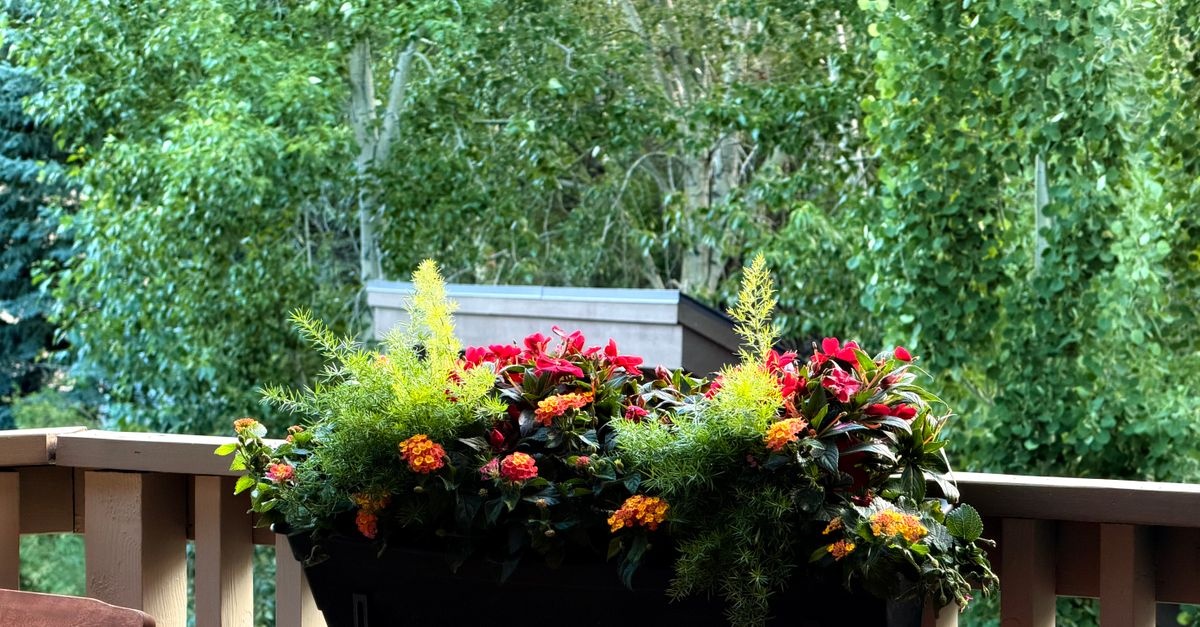
Craving a burst of color right outside your door? Spring rewards even the smallest balcony with vibrant blooms, sweet fragrance, and cheerful textures—if you choose the right plants and follow a smart planting process. This complete, beginner-friendly resource delivers a practical Spring balcony flowers–colorful planting guide that highlights dependable plants, foolproof container recipes, and maintenance tips you can actually stick with. Whether your space basks in sun or hides in shade, you’ll find combinations that thrive, attract pollinators, and look composed from the curb and up close on your morning coffee run.
Why Spring Balcony Gardens Work (and How to Set Yours Up for Success)
Balconies offer a fast track to seasonal joy. They’re compact, easy to style, and respond dramatically to a few clever, colorful choices. The key is understanding microclimate, safety, and style—then matching the right plants to the right conditions.
Microclimate: Sun, Wind, and Shade
Two balconies on the same block can behave like different worlds. Take a few days to observe yours:
- Sun exposure: Count hours of direct sun. Full sun is 6+ hours, part sun/part shade is 3–5 hours, and full shade is under 3 hours of direct light.
- Wind: High floors and corner units often funnel winds that dry soil quickly and can snap delicate stems. Choose sturdy planters and resilient plants if gusts are common.
- Shade patterns: Buildings, overhangs, and railings cast moving shade. Match plants to the light they actually receive.
Safety and Weight Basics
Containers, soil, and water add up. Protect your space and peace of mind:
- Know your limits: Check building or HOA rules on railing boxes, hanging baskets, and planter weight.
- Choose lightweight materials: Use resin or fiberglass planters, a high-porosity potting mix (with perlite or pumice), and avoid gravel in the bottom (it doesn’t improve drainage).
- Secure everything: Windproof with brackets and straps; avoid overhanging loads above sidewalks.
Color and Mood
Color transforms small spaces. Decide on a mood first, then choose plants:
- Pastels: Powder blue, blush, butter yellow—calming and classic for breakfast balconies.
- Brights: Fuchsia, orange, citrus—energizing for afternoon sun spots.
- Monochrome: One hue in multiple tones (e.g., all purples) looks sophisticated and easy to maintain.
Your At-a-Glance Spring Planting Formula
Use this simple framework to design any container. It’s adaptable for sun, shade, and mixed conditions, and it’s the heart of this Spring balcony flowers–colorful planting guide.
The Thriller–Filler–Spiller Rule
- Thriller: A taller focal plant (stock, snapdragon, or a compact grass like carex). Adds height.
- Filler: Mid-height bloomers (pansies, primroses, osteospermum, nemesia, geraniums). Creates mass and color.
- Spiller: Trailing plants (lobelia, sweet alyssum, bacopa, creeping jenny) to soften edges.
Match to Light
- Full Sun: Osteospermum, snapdragons, stock, calendula, verbena, calibrachoa, trailing lobelia, bacopa, diascia.
- Part Sun: Nemesia, dianthus, violas, pansies, dianthus, trailing ivy, heuchera.
- Shade–Bright Shade: Primroses, hellebores, ferns, heuchera, begonias (tuberous later), ivy, sweet alyssum.
Fragrance and Texture
Layer scents and leaf shapes to elevate a small space:
- Fragrant picks: Stock, sweet alyssum, dianthus, heliotrope (later spring), sweet peas on a tiny trellis.
- Texture: Heuchera waves, ivy drape, fine-leaf carex, primrose rosettes.
Choosing Reliable Plants for Spring Balconies
Spring weather can swing between mild sunshine and surprise chills. Favor cool-season annuals, tough perennials, and bulbs that shrug off brisk nights.
Early Spring (Chilly-Night Champions)
- Pansies and Violas: The ultimate balcony bloomers; they’re cold-tolerant, endlessly colorful, and perfect for edging. Deadhead to keep flowers coming.
- Primroses (Primula): Jewel tones and bold bicolors for cool, bright shade. Keep evenly moist.
- Hellebores: Evergreen leaves and long-lasting blooms; invest once, enjoy for years.
- Spring Bulbs: Tulips, daffodils, hyacinths, muscari. Pot up pre-chilled bulbs or buy potted blooms to slip into displays.
Mid-to-Late Spring (When Days Warm)
- Ranunculus and Anemones: Lush florist-style blooms; cool nights are fine but protect from hot, dry winds.
- Osteospermum (African Daisy): Loves sun, low fuss, abundant daisy faces.
- Nemesia and Diascia: Clouds of color in cool weather; pinch lightly for branching.
- Snapdragons and Stock: Height, fragrance, and classic spring tones.
- Lobelia and Bacopa: Trailing and frothy for soft edges.
Trailing, Foliage, and Structure
- Heuchera (Coral Bells): Foliage firepower in plums, limes, and caramels; pairs with any bloom.
- Ivy (Hedera), Creeping Jenny (Lysimachia), Sweet Alyssum: Cascading or glowing edges.
- Compact Grasses (Carex): Year-round movement and shape.
Edible Flowers and Balcony Herbs
- Nasturtium: Peppery edible blooms and leaves; great for sun and light trailing.
- Calendula: Cheery, bee-friendly petals you can toss on salads.
- Herbs: Chives (edible flowers), thyme, parsley, and mint (pot it alone—enthusiastic roots!).
Containers, Planters, and Smart Layouts
The right vessel makes maintenance easier and displays neater. Choose planters that match your balcony’s wind, light, and traffic patterns.
Best Balcony Planter Types
- Railing Planters: Instant curb appeal. Ensure sturdy brackets and check weight limits.
- Window Boxes: Great for thriller–filler–spiller combos and bulb layering.
- Hanging Baskets: Perfect for trailers; water more often as they dry quickly.
- Large Tubs or Tall Planters: Anchor corners, reduce watering frequency, and create privacy.
Soil Mix and Drainage Done Right
- Potting mix only: Use a lightweight, peat-free or reduced-peat mix with perlite or pumice for airflow.
- Drainage holes: Non-negotiable. Add saucers to protect floors but avoid standing water.
- Soil boosters: Blend in compost (up to 20%) and a slow-release fertilizer for steady nutrition.
Self-Watering and Easy Irrigation
- Self-watering planters: Built-in reservoirs extend time between waterings—ideal for busy weeks.
- Capillary mats or wicking: Link pots for shared moisture without overwatering.
- Micro-drip kits: A balcony-friendly timer turns daily watering into a set-and-forget task.
Layout Tips for Small, Medium, and Large Balconies
- Small: Two railing boxes + one tall focal planter near the door to maximize sightlines.
- Medium: Add a pair of matching corner planters and a hanging basket over a bistro table.
- Large: Zone your space: dining corner, lounge corner, and a slim herb rail by the kitchen door.
Step-by-Step: Planting Your Spring Balcony
Follow this streamlined sequence to move from bare railing to full bloom in a weekend.
1) Time It Right
- Know your frost date: Cool-season stars (pansies, violas, primroses, hellebores, bulbs) can handle light frosts. More tender picks (calibrachoa, geraniums) prefer frost-free nights.
- Harden off: If you bought greenhouse-started plants, ease them outside for a few hours daily over 3–5 days.
2) Prep Containers
- Clean: Brush out old soil and rinse with mild soapy water; a clean start deters pests.
- Fill: Add potting mix to a few inches below the rim; blend in slow-release fertilizer.
3) Plant in Layers
- Bulbs (optional): If using pre-chilled or potted bulbs, tuck them deep and backfill.
- Thriller: Set slightly off-center for natural asymmetry.
- Fillers: Zig-zag them to avoid stiff rows.
- Spillers: Angle roots toward the edge so stems trail quickly.
4) Water and Mulch
- First soak: Water until you see a steady trickle from drainage holes.
- Topdress: A thin layer of compost or fine bark conserves moisture and tidies the surface.
5) Support and Shield
- Trellises: Add a slim trellis for sweet peas or compact climbers.
- Windbreaks: Bamboo screens or clear acrylic panels temper gusts without blocking light.
Care and Maintenance That Fits Real Life
Spring containers are forgiving, but a few habits keep them gorgeous for months.
Watering
- Finger test: Check the top inch of soil daily in sun; water when dry.
- Weather cues: Windy and sunny days may require daily watering; cool, overcast days may stretch to every 2–3 days.
- Bottom watering (optional): For hanging baskets, dunk in a bucket until bubbles stop, then drain well.
Feeding
- Base feed: Slow-release fertilizer at planting provides steady nutrients.
- Liquid boost: Every 10–14 days, apply a balanced, water-soluble feed during active growth.
Grooming
- Deadhead: Pinch spent blooms on pansies, violas, and osteospermum to extend flowering.
- Pinch for shape: Lightly pinch nemesia, diascia, and snapdragons to encourage branching.
- Refresh soil surface: Top up with fresh mix if settling creates root exposure.
Troubleshooting
- Yellowing leaves: Often overwatering or nutrient shortage; check drainage and feed schedule.
- Few flowers: Lack of sun or too much nitrogen; move to brighter spot and switch to bloom-boosting feed.
- Leggy growth: Plants stretching for light; rotate containers weekly and consider brighter placement.
Eco-Friendly Pest Control
- Aphids/whiteflies: Blast with water; follow with insecticidal soap or neem oil if needed.
- Spider mites: Increase humidity with a gentle mist and use a miticide or neem on repeat.
- Prevention: Buy from neonicotinoid-free nurseries, and keep airflow good to deter fungus.
Colorful, Easy Container Recipes
Steal these plug-and-play designs. Each recipe lists a thriller, fillers, and spillers to match your light conditions and style.
1) Pastel Sunrise (Part Sun)
- Thriller: White stock (1)
- Fillers: Pale yellow primroses (2), soft lavender violas (3)
- Spillers: White lobelia (2), creeping jenny (1)
- Notes: Gentle fragrance, dreamy breakfast vibe.
2) Citrus Pop (Full Sun)
- Thriller: Compact orange snapdragon (1–2)
- Fillers: Lemon calendula (2), magenta osteospermum (2)
- Spillers: Trailing bacopa in white (2)
- Notes: Bold color for street-side wow.
3) Woodland Jewel (Bright Shade)
- Thriller: Hellebore in blush (1)
- Fillers: Heuchera in plum (2), primroses in jewel tones (2)
- Spillers: Variegated ivy (2)
- Notes: Texture-forward and quietly elegant.
4) Market Basket (Full Sun, Edible)
- Thriller: Upright rosemary (1) or compact carex (1)
- Fillers: Nasturtium (2), calendula (2)
- Spillers: Thyme (2), trailing lobelia (1)
- Notes: Salad-friendly and bee-approved.
5) Cool Blues Calm (Part Sun)
- Thriller: Blue-toned carex (1)
- Fillers: Blue lobelia (3), white nemesia (2)
- Spillers: Silver helichrysum (1–2)
- Notes: Coastal, breezy palette that pairs with gray decks.
6) Vintage Florist (Full Sun to Part Sun)
- Thriller: Ranunculus in soft pink (3, grouped)
- Fillers: Dusty miller (2), blush pansies (3)
- Spillers: White sweet alyssum (2)
- Notes: Romantic and photo-ready.
7) Balcony Bee Buffet (Full Sun)
- Thriller: Purple salvia (1)
- Fillers: Verbena (2), osteospermum (2)
- Spillers: Sweet alyssum (2), trailing thyme (1)
- Notes: Long bloom window and constant pollinator traffic.
8) Midnight & Lime (Shade to Part Shade)
- Thriller: Dark heuchera (1)
- Fillers: Chartreuse coleus (cool-tolerant types) or primroses (2–3)
- Spillers: Creeping jenny (2), variegated ivy (1)
- Notes: Striking contrast for dim corners.
Pollinator-Friendly and Planet-Smart Choices
Even a tiny balcony can be a safe landing pad for bees and butterflies. Choose nectar-rich, pesticide-free plants and offer water and shelter.
Bee-Safe Practices
- Neonicotinoid-free: Ask your nursery to confirm plants are free of systemic insecticides.
- Continuous bloom: Mix early violas and alyssum with mid-spring verbena and osteospermum.
- Water stop: A shallow dish with pebbles gives pollinators a safe sip.
Native and Region-Wise Picks
Where possible, include compact natives or region-friendly perennials that fit containers (check local lists). They offer great ecological value and adapt well to local springs.
Seasonal Transitions and Succession Planting
Use spring as a launchpad for color through summer. With a plan, swaps are quick and your balcony never looks bare.
From Spring to Summer
- When heat arrives: Retire cool-lovers like ranunculus and stock, and slide in heat fans such as calibrachoa, lantana, petunias, or zinnias.
- Keep the bones: Leave heuchera, ivy, and carex as structure and change the color cast with a few new fillers.
Bulbs: Aftercare and Reuse
- Daffodils and hyacinths: Let foliage yellow, then store bulbs dry and cool for fall replanting or move to a garden if you have one.
- Tulips: Some are one-hit wonders in pots; enjoy fully, then compost if performance declines next year.
Budget, Sourcing, and Sustainability
A blazingly beautiful balcony doesn’t have to cost a fortune. A few smart choices stretch your budget and reduce waste.
Where to Buy and What to Look For
- Compact, bushy plants: Multiple shoots beat one tall, leggy stem.
- Unopened buds: Skip plants in full bloom to enjoy a longer show at home.
- Healthy roots: Peek at the drain holes; roots should be white, not circling heavily or brown.
Save Without Sacrificing Style
- Prioritize anchors: Invest in perennial foliage (heuchera, carex) and refill with lower-cost seasonal color.
- Divide and conquer: Split six-packs of violas among multiple containers for unity.
- Upcycle: Food-safe buckets or tins become planters once you drill drainage holes.
Water-Wise Habits
- Morning watering: Reduces evaporation and disease pressure.
- Mulch lightly: Fine bark or coco coir conserves moisture.
- Group by thirst: Keep water-hungry plants together for efficient care.
Frequently Asked Questions
How many plants fit in a typical window box?
For a 24–30 inch box, aim for 5–7 plants total: 1 thriller, 3–4 fillers, and 1–2 spillers. Tighter spacing creates instant fullness; looser spacing grows in over 3–4 weeks.
What counts as full sun on a balcony?
Six or more hours of direct sunlight. Note that reflected heat from glass and concrete can mimic extra sun—watch for quicker drying.
My balcony is windy. What should I plant?
Use sturdy, flexible stems like osteospermum, calendula, heuchera, and carex. Choose deep containers and add a wind screen. Water more frequently and mulch.
Are railing planters safe?
Yes, with proper brackets sized for your rail, secure straps in high-wind areas, and attention to weight. Avoid overfilling soil and saturating beyond what the structure allows.
Can I mix edibles and flowers?
Absolutely. Pair herbs (thyme, chives, parsley) and edible blooms (nasturtium, calendula) with ornamental annuals. Keep mint in its own pot.
A 10-Minute Weekly Routine
- Monday: Quick water check and deadhead spent blooms.
- Wednesday: Rotate containers a quarter turn for even growth.
- Friday: Deeper soak if needed; inspect for pests under leaves.
- Every other weekend: Liquid feed and a brief prune for shape.
Sample Balcony Plans You Can Copy
Tiny City Balcony (One Corner + Rail)
- 1 tall planter: Heuchera thriller + white stock + trailing ivy.
- 1 rail box: Violas, sweet alyssum, and nemesia in a pastel trio.
- Tip: Repeat at least one color across both for cohesion.
Breakfast Nook (Part Shade, Calm Palette)
- 2 window boxes: Primroses, white pansies, creeping jenny.
- 1 table pot: Hellebore + dwarf fern.
- Tip: Keep tones soft (white, lemon, lilac) for a serene start.
Sun-Seeker (Full Sun, Weekend Entertainer)
- 2 corner planters: Snapdragons, osteospermum, bacopa.
- 2 railing planters: Calendula, verbena, sweet alyssum.
- Tip: Add a shallow bee dish near flowers for extra buzz.
Design Principles to Keep You on Track
- Limit your palette: Two to three main colors unify the look.
- Repeat plants: Consistency across containers reads intentional.
- Vary heights: Eye-level blooms in baskets, knee-height in boxes, and a few tall accents for drama.
Weather Contingencies
- Cold snap: Drape light frost cloth overnight; remove in the morning.
- Heat blip: Move portable pots into afternoon shade and water early.
- Stormy winds: Group pots together on the floor against a wall to reduce sway.
Simple Soil Science for Better Blooms
- Aeration matters: Roots breathe through pore spaces—don’t compact soil when planting.
- Right pH, right feed: Most spring annuals like slightly acidic to neutral mix; a balanced fertilizer keeps them happy.
- Drainage over drainage layers: Skip pebbles at the bottom; use a good mix and real holes.
Photography Tips (Because You’ll Want to Share)
- Golden hour: Early or late light flatters colors.
- Angles: Shoot from planter height to capture the thrillers and spillers together.
- Consistency: Re-photograph monthly to document growth and successions.
Putting It All Together
Your balcony can deliver a long season of joy with just a bit of planning and a handful of resilient plants. Start with sun and wind observations, pick a unified color story, and rely on the thriller–filler–spiller formula for instant, professional-looking results. Keep care simple: water when the top inch is dry, deadhead regularly, and feed lightly every two weeks. Favor bee-friendly, pesticide-free plants, and treat your balcony as both a living room and a mini urban habitat.
Use this friendly, flexible Spring balcony flowers–colorful planting guide to set up containers you’ll love from first bloom to summer handoff. The payoff is big: a compact space overflowing with color, texture, scent, and life—right outside your door.
When you sip morning coffee beside pansies and primroses or unwind at sunset near osteospermum and sweet alyssum, you’ll feel exactly why a spring balcony in bloom is one of gardening’s greatest joys.
Happy planting—and see you among the flowers.