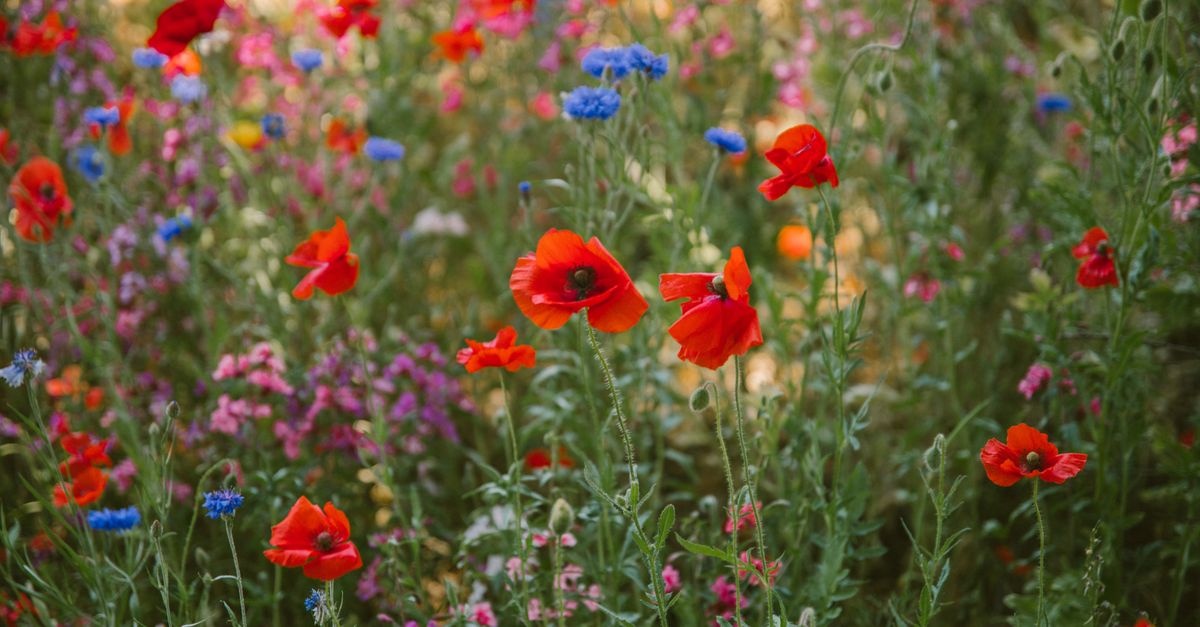
Imagine stepping outside to a living tapestry of color that changes with the seasons, hums with bees, hosts butterflies and moths, and waves with grasses in the evening light. A wildflower meadow can transform ordinary ground into extraordinary habitat, and you don’t need to be a botanist to create one. With a thoughtful approach and a balanced seed blend, you can guide a vibrant ecosystem from the very first sowing. This article explains how to start a wildflower meadow from mixed seeds—from choosing a seed mix to preparing the soil, sowing with confidence, and caring for your meadow through its first years and beyond.
Why Wildflower Meadows Matter
A blooming meadow is more than a pretty picture. It’s a powerhouse of biodiversity and climate-resilient beauty that supports wildlife, improves soil, and reduces maintenance compared to conventional lawns. As lawns give way to climate-smart gardening, wildflowers offer an easy and satisfying path.
- Pollinator support: Diverse blooms feed bees, butterflies, hoverflies, moths, and beetles throughout the growing season.
- Habitat creation: Seedheads feed birds; stems and leaf litter shelter overwintering insects and small wildlife.
- Low inputs: Once established, meadows typically need less water, fertilizer, and mowing than turf.
- Soil health: Deep roots increase organic matter, water infiltration, and drought resilience while stabilizing soil against erosion.
- Seasonal beauty: Successional flowering brings fresh color from spring through frost.
How to Start a Wildflower Meadow from Mixed Seeds: The Big Picture
Establishing a meadow involves six phases: understanding your site, selecting a suitable seed mix, timing the sowing, preparing a clean and firm seedbed, broadcasting correctly, and maintaining the stand through its first two to three years. The payoff builds with time as the community matures and self-balances.
Know Your Site
The best meadows match the location’s climate and soil rather than forcing a design that doesn’t fit. Before opening a seed packet, learn your site’s basics.
Sun, Soil, and Moisture
- Sunlight: Most wildflowers prefer full sun (6+ hours). Dappled light is fine for woodland-edge mixes; deep shade calls for woodland wildflower mixes.
- Soil type: Sandy soils drain fast and favor drought-tolerant species; clay soils hold water and suit moisture-loving species; loams are flexible. If in doubt, perform a simple jar soil test.
- Moisture: Note wet spots or seasonal dryness. Don’t install dry meadow mixes in swales; choose wet-meadow species if you have periodic saturation.
- Nutrients: Meadows prefer low to moderate fertility. Overly rich soils can lead to tall, floppy growth and aggressive weeds. Avoid fertilizing unless a soil test indicates a genuine deficiency.
Climate and Region
- Hardiness and heat: Choose species rated for your climate (e.g., USDA zones or local equivalents). Heat and humidity affect germination and longevity of species.
- Regional natives: Prioritize native wildflowers adapted to local weather, soils, and pollinators. Native-rich mixes are usually more resilient and beneficial for wildlife.
Site Constraints
- Scale and access: Large areas benefit from a seed drill or broadcast spreader. Small yards can be sown by hand.
- Slope: Steeper slopes require erosion control (e.g., coir/jute netting) and sometimes a nurse crop.
- Existing vegetation: Heavy weed pressure may require a longer prep period to reduce the seed bank before sowing.
Choosing the Right Seed Mix
The right blend is the backbone of your meadow. Look for transparent labeling and compositions that align with your site conditions and goals.
Annuals, Biennials, and Perennials
- Annuals: First-year color and quick pollinator resources (e.g., cosmos, cornflower, California poppy). Don’t persist without reseeding but can be included to jump-start blooms.
- Biennials: Often bloom in year two (e.g., foxglove). Add structure and extend diversity.
- Perennials: Long-lived and build the meadow’s backbone (e.g., black-eyed Susan, coneflowers, yarrow, milkweed). Expect more color from these starting the second year onward.
Native vs. Non-native Ornamentals
All-native mixes support local ecosystems best, but non-invasive ornamentals can contribute color and extended bloom periods. Prioritize natives when possible, especially if your goal is wildlife habitat and regional ecological function.
Match the Mix to Your Conditions
- Dry/sandy: Include species like blanketflower, coreopsis, and drought-tolerant grasses.
- Clay/heavy soil: Favor species tolerant of slow drainage (e.g., asters, liatris, some goldenrods).
- Wet meadows: Consider swamp milkweed, Joe-Pye weed, and sedges.
- Shade/woodland edge: Woodland phlox, columbine, bluebells, celandine poppy, and ferns (for structure) in appropriate mixes.
- Coastal/saline winds: Look for salt-tolerant options and shorter species.
Bloom Succession and Structural Diversity
Great meadows offer nectar from spring to frost and include a variety of heights and flower forms. Look for blends with early, mid, and late bloomers, plus a modest share of native grasses for structure. Aim for flower-dominant mixes (60–80% flowers by species count) unless you want a grassier prairie look.
Reading Seed Labels
- Pure Live Seed (PLS): Indicates percent viable seed. Buy by PLS weight for accuracy.
- Inert matter: Accept a small percentage for flow; avoid mixes with excessive fillers.
- Species list and proportions: Favor transparent suppliers listing scientific names and ratios.
- Region-specific ecotypes: When available, choose locally sourced ecotypes for stronger adaptation.
How Much Seed to Buy
- Sowing rates (typical ranges): 2–6 grams per square meter (roughly 8–25 lbs per acre), depending on species size and goals. Lower rates suit low-fertility sites and prairie-like designs; higher rates fill faster and outcompete weeds but can increase early competition.
- Fine seed caution: Some wildflowers have tiny seeds; avoid over-sowing. Mix seeds with an inert carrier for even distribution.
When to Sow
Timing depends on climate and seed biology.
Fall/Autumn Sowing
- Pros: Natural winter stratification for species needing cold to germinate; strong spring emergence; less frequent watering needed.
- Cons: Risk of washout on slopes; mild winters may trigger premature sprouting and frost kill in some climates.
Spring Sowing
- Pros: Good for annuals and perennials that don’t require long chill; avoids winter erosion.
- Cons: Requires vigilant watering in dry springs; more weed competition unless you pre-flush weeds.
Frost Seeding
In late winter, broadcast seed over freeze-thawing ground so granular ice action pulls seed into contact. Effective in colder regions for small seeds that need light touch coverage.
Stratification Note
Some natives (e.g., certain milkweeds) germinate best after cold stratification. If sowing in spring, consider pre-chilling seeds in moist medium in the fridge for 4–8 weeks, or select mixes formulated for spring planting.
Site Preparation: Success Starts Before Sowing
Meadows thrive where the competition is managed up front. Skipping prep is the top cause of disappointment.
Clear Existing Vegetation
- Smothering: Use light-excluding tarps or layers of cardboard plus mulch for a full growing season to weaken weeds. Remove mulch before sowing to maintain a low-fertility surface.
- Stale seedbed: Prepare the soil, water to germinate weed seeds, then shallowly disturb or flame-weed to kill the flush. Repeat 1–2 times before sowing.
- Solarization: In hot climates, clear plastic tightly sealed over moist soil for 4–8 weeks can kill seeds and pathogens near the surface.
- Non-selective herbicide (optional): If you choose this route, follow label directions precisely and allow time for residues to break down before sowing. Many growers combine this with a stale-seedbed pass. Select products and timing that minimize non-target impacts.
Create the Right Seedbed
- Firm but friable: Seeds need contact, not depth. Aim for a surface like a firm sponge. If your foot sinks more than 0.5 inch, it’s too fluffy—roll or tamp it.
- Minimal tillage: Over-tilling brings buried weed seeds to the surface. If you must till to remove turf, consider a final firming pass with a roller.
- Debris-free: Rake away thatch, sticks, and clods to ensure even distribution and contact.
On Slopes and Erosion-Prone Areas
- Nurse crops: Add quick-growing annual grasses like oats or sterile rye (not perennial ryegrass) to stabilize soil.
- Erosion blankets: Use jute/coconut coir netting over sown areas. Broadcast seed first, then pin netting; or choose open-weave mats that allow seed-through.
- Contour sowing: Broadcast across the slope in passes; gently rake and roll without loosening the slope surface.
Sowing: Getting Seed to Soil—Evenly
This is the exciting part. Even distribution and light contact matter more than burying seed.
Mix with a Carrier
- Why: Many wildflower seeds are tiny and sow in clumps. A carrier improves your visual tracking and spacing.
- What to use: Clean, dry sand; rice hulls; or sawdust. Avoid compost or topsoil carriers that can introduce weeds.
- Ratio: 1 part seed to 8–10 parts carrier by volume is common. Test flow first.
Broadcasting Tips
- Divide and conquer: Split your total seed-carrier mix into two equal batches. Walk the plot in one direction for the first half, then crossways for the second half to improve evenness.
- Hand or spreader: For small plots, hand-sowing works well. For larger areas, use a rotary spreader set to a low rate to avoid dumping.
- Calibration: Practice on a tarp to learn the spreader’s throw and rate.
Seed Depth and Contact
- Do not bury deeply: Most wildflowers need light to germinate. After broadcasting, lightly rake—no more than 0.25 inch—so about 10–20% of seeds remain visible.
- Firm it in: Roll or tamp the surface to ensure seed-to-soil contact without covering seeds too deeply.
- Mulch (optional): A very thin layer of clean straw or hydromulch can reduce erosion and retain moisture. Ensure it’s weed-free and light enough to let light through.
Add a Nurse Crop (Optional)
A quick nurse crop like oats helps shade soil, reduce erosion, and suppress weeds while perennials establish. Broadcast at a light rate so it doesn’t outcompete the flowers, and mow as needed to prevent seed set if you want to minimize self-sowing.
Watering and Early Care
Now you shepherd tiny seedlings through their most vulnerable stage.
Watering for Germination
- Keep consistently moist: Water lightly and frequently until seedlings are established (often 4–6 weeks). Avoid pounding sprays that dislodge seeds.
- Adapt to weather: In cool, rainy seasons, irrigation may be minimal. In hot, dry spells, daily light watering may be necessary initially.
Weed Management in Year One
- Mow high: When weeds reach 6–8 inches, mow the whole area back to 4–5 inches. This suppresses annual weeds, prevents seed set, and lets light reach low-growing wildflower seedlings. Repeat as needed through the first season.
- Hand-weed selectively: Remove obvious thugs near the edges and paths. Learn to recognize key target weeds versus wildflower rosettes.
- Edge control: Keep adjacent turf or invasive plants from creeping in by string-trimming or installing a low edging strip.
Expectations by Year
Year 1: Patience Pays
- What you’ll see: Annual wildflowers bloom if included; perennials mostly form rosettes and root systems. The meadow looks green and low with pops of color.
- What to do: Keep mowing high to discourage weeds. Water during prolonged droughts, but avoid overwatering once established.
Year 2: The Show Begins
- What you’ll see: Perennials rise and flower. Structure and diversity increase; grasses fill spaces.
- What to do: Remove woody invaders, spot-weed perennial menaces, and consider overseeding bare patches in late fall or early spring with a light top-dress of the original mix.
Year 3 and Beyond: Balance and Renewal
- Annual cut: Mow or scythe once per year, typically late winter or very early spring, after birds have eaten seedheads and insects have overwintered. Cut to 4–6 inches and remove thatch to reduce nutrient buildup.
- Adaptive management: If aggressive species dominate, cut earlier to limit their seed set, or introduce competitors by overseeding.
- Optional disturbance: In larger prairies, rotational burning or managed grazing can maintain diversity. Where burning isn’t feasible, rotational mowing mimics disturbance.
Troubleshooting Common Issues
Patchy Germination
- Likely causes: Uneven sowing, poor seed-to-soil contact, drought during establishment, birds feeding heavily, or washout on slopes.
- Fixes: Lightly overseed thin areas in fall or very early spring. Improve rolling/tamping. Add erosion control on slopes and use a nurse crop or light mulch.
Weed Takeover
- Annual weeds: Increase mowing frequency in year one to prevent seed set.
- Perennial invaders: Spot-dig or carefully wick-apply an appropriate control. Long-term, reduce fertility and avoid soil disturbance to favor natives.
- Grass dominance: Adjust timing of your annual cut to set back dominant grasses and give forbs a window to set seed.
Too Tall or Floppy Growth
- Overly rich soil: Avoid fertilizing. Consider one mid-season cut at 8–10 inches in year one if needed.
- Species mix: Introduce more mid-height species and stiff-stemmed plants in your next overseeding.
Shady or Changing Light
- Shade increase: If trees grew or a new structure shades the area, overseed with woodland-edge species and accept a different, equally beautiful aesthetic.
Pests and Wildlife
- Seed predation: Sow just before rain or snow, or incorporate minimal mulch; for small patches, netting may be used briefly.
- Voles/rabbits/deer: Early browsing can set young plants back. Temporary fencing or repellents can help during establishment.
Enhancing Habitat Value
A meadow is a foundation. Small additions amplify its ecological power.
- Water sources: Shallow dishes with pebbles for pollinators; a small pond for amphibians if feasible.
- Nesting and shelter: Leave some hollow stems 8–12 inches tall after cutting for cavity-nesting bees. Keep small brush piles at edges.
- Bare patches: A few sunny, undisturbed soil spots support ground-nesting bees.
- Host plants: Include milkweeds for monarchs, violets for fritillaries, and native grasses that many butterflies rely on for larvae.
- Continuous bloom: Ensure at least three waves of nectar: spring (penstemon, phlox), summer (coneflowers, bee balm), fall (asters, goldenrods).
Budget, Tools, and Planning
Basic Tools
- For prep: Spade or sod cutter, landscape rake, hoe, wheelbarrow, tarps, and optionally a roller.
- For sowing: Buckets, measuring containers, carrier (sand or rice hulls), broadcast spreader for larger sites.
- For maintenance: Mower or scythe, string trimmer, hand weeding tools, thatch rake.
Cost Considerations
- Seed mix: Prices vary by species diversity and native content. Expect to invest more for native-heavy, regionally sourced blends.
- Site prep: Smothering and stale-seedbed methods are cost-effective; mechanical removal or professional services add expense.
- Erosion materials: Coir/jute netting and pins cost more up front but prevent losses on slopes.
Planning Checklist
- 1. Define goals: Pollinator focus, low maintenance, specific color palette, or wildlife habitat.
- 2. Assess site: Sun, soil, moisture, slope, weed pressure.
- 3. Select mix: Native-leaning, matched to conditions, with staggered bloom.
- 4. Time sowing: Choose fall or spring; plan stratification if needed.
- 5. Prep area: Remove existing vegetation; create a firm, clean seedbed.
- 6. Calibrate sowing: Mix with carrier and broadcast in two passes; rake lightly; roll.
- 7. Establish care: Water as needed; mow high to suppress weeds in year one.
- 8. Long-term: Annual cut, thatch removal, spot-weed, and periodic overseeding to maintain diversity.
Regional Timing Tips
- Cold temperate (long winters): Late fall sowing after soil cools (to avoid premature germination) or very early spring/frost seeding.
- Mild winter/coastal: Late fall to mid-winter sowing can work; protect from washout. Spring sowing succeeds with irrigation.
- Hot summer/limited water: Fall sowing is often best so seedlings establish in cool, moist months before summer heat.
Safety, Stewardship, and Neighbors
- Invasives: Avoid species listed as invasive in your region. Verify scientific names.
- Runoff protection: Use silt fences or buffers near waterways during establishment.
- Neighbor relations: Add tidy edges, paths, and a small sign explaining the project. A neat frame makes wild interiors look intentional.
Frequently Asked Questions
Can I convert a lawn without removing the turf?
Yes, but results are better if you remove or thoroughly kill turf first. Smothering with a tarp, stale-seedbed techniques, or a sod cutter creates a cleaner start. Broadcasting into living turf usually yields sparse results unless using specialized no-mow or microclover mixes, which are different from diverse wildflower meadows.
Do I need to fertilize?
No. Meadows prefer lean soils. Fertilizer encourages weeds and floppiness. If a soil test shows a severe deficiency (rare), correct it moderately before sowing.
How deep should I plant wildflower seeds?
Generally on the surface or barely covered—no deeper than 0.25 inch. Ensure seed-to-soil contact by rolling or firming the surface.
How often should I mow?
In year one, mow high as needed to suppress weeds. In established meadows, mow once annually in late winter/early spring, removing cuttings to prevent nutrient buildup. Some gardeners do a second, localized cut to check aggressive species.
Will annuals come back?
Some will self-sow if conditions allow. To maintain consistent annual color, consider overseeding a small percentage of the mix each fall or spring.
What if my site is very small?
Scale down the method. Even a 4x8-foot bed can host a mini meadow. Or pair a small meadow patch with containers of pollinator-friendly annuals to extend bloom.
Can I mix plugs with seed?
Yes. Planting a few strategic plugs of keystone species (e.g., milkweed, monarda) among seeds accelerates structure and ensures presence of must-have plants for target pollinators.
Case Study: A 500-Square-Foot Front Yard Meadow
Goal: maximize pollinators, three-season color, and tidy edges. The gardener removed turf with a sod cutter, performed a two-week stale-seedbed cycle, and rolled the area. They chose a native-leaning, flower-forward seed mix with spring penstemon and phlox, summer coneflowers and coreopsis, and fall asters and goldenrods, plus 20% native grasses by species count. They sowed in late fall, raked lightly, and rolled. In year one they mowed at 5 inches three times. By year two, perennials dominated, with bees and butterflies abundant. A neat gravel path and low edging kept neighbors happy and the design intentional.
Putting It All Together: Step-by-Step Summary
- Assess your site: Sun exposure, soil texture, drainage, slope, weed pressure, and climate zone.
- Pick your mix: Favor native species matched to conditions; ensure staggered bloom and structural diversity.
- Plan timing: Choose fall for cold stratification and less watering; spring/frost seeding where appropriate.
- Prepare the seedbed: Remove vegetation, minimize tillage, rake clean, and firm the surface.
- Measure and mix: Calculate sowing rate; blend seed with sand or rice hulls at 1:8–10 ratio.
- Broadcast in two directions: Rake very lightly so some seed remains visible; roll to press in.
- Water to establish: Keep surface moist until seedlings take hold; avoid heavy washouts.
- Mow high in year one: Suppress weeds at 4–5 inches; repeat as needed.
- Annual maintenance: Late-winter cut, remove thatch, spot-weed, and overseed thin spots.
- Enhance habitat: Add water, nesting sites, and host plants for specialist species.
Conclusion: A Meadow that Gives Back
Creating a thriving meadow from a seed packet is both art and ecology. By aligning species to site, timing your sowing, preparing a firm low-fertility seedbed, and managing weeds with smart mowing in the first year, you’ll set the stage for a self-sustaining landscape. You now know how to start a wildflower meadow from mixed seeds that rewards you with waves of color, richer soil, lighter maintenance, and a daily parade of pollinators. Start small or go big—either way, each square foot you convert becomes living habitat. Open the packet, trust the process, and let your landscape bloom for you and for the wild visitors it welcomes.