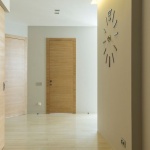
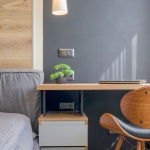
Your entryway sets the tone for your entire home. It’s where keys land, shoes kick off, and first impressions form—often in a matter of seconds. If the space by your door feels chaotic or underwhelming, a thoughtfully chosen wall hanger can transform it into a tidy, welcoming zone. Below, you’ll find a comprehensive guide on how to design an entryway with a wall hanger that blends style with purpose, works for small apartments and large family homes alike, and makes everyday routines smoother.
Why the Entryway Matters More Than You Think
The foyer or mudroom functions like a control center for the rest of your home. A well-planned entry saves you time, reduces stress, and helps maintain a consistently neat space. By introducing a strategic wall-mounted hanger—paired with the right lighting, a mirror, and compact storage—you can elevate the area without sacrificing precious square footage. You’ll also optimize traffic flow and set a vibe that reflects your taste, whether minimalist, boho, industrial, coastal, or traditional.
Core Principles of a Well-Designed Entryway
Before you shop for hooks, shelves, or a wall-mounted coat rack, ground your project in a few guiding principles:
- Function first: Identify daily drop items—keys, bags, hats, umbrellas, dog leashes, mail. Your wall hanger system should give each category a clearly defined spot.
- Visual clarity: Use consistent materials and a limited color palette to avoid visual noise. Neutral backdrops with a bold accent can spotlight your wall feature.
- Right scale: Choose hangers and shelves that fit your wall width and ceiling height. Oversized racks can overwhelm narrow hallways; too-small hooks become cluttered and hard to use.
- Durability: Entryways are high-traffic. Opt for solid woods, powder-coated metal, and hardware anchored to studs or with high-quality wall anchors.
- Safety and clearance: In tight spaces, ensure hooks don’t protrude dangerously into walking paths. Keep a minimum clear passage of 36 inches where possible.
- Layered storage: Combine hooks, a slim console or bench, vertical shelves, and a tray or bowl for small essentials to create a complete system.
Choosing the Right Wall Hanger: Styles, Materials, and Configurations
The perfect hanger is both sculptural and hard-working. Think of it as curated architecture on your wall. Consider the following categories:
Popular Wall Hanger Formats
- Linear rack with multiple hooks: Ideal for families; spreads weight along the wall. Pair with a narrow shelf above.
- Individual hooks: Flexibility to place at custom heights—great for kids and guests. Stagger for visual interest.
- Pegboard system: Ultra-adaptable for renters and DIYers; move pegs and add shelves or bins as needs evolve.
- Rail-and-hook system: Sleek and modular; add baskets, mail holders, or a small planter along the rail.
- Fold-down or pivoting hooks: Space-saving in ultra-narrow corridors; tuck away when not in use.
Materials and Finishes
- Solid wood (oak, walnut, ash): Warm and timeless; fits Scandinavian or Japandi aesthetics.
- Powder-coated steel: Modern and durable; perfect for industrial or minimalist entryways.
- Brass or bronze accents: Add a luxe touch and patina over time; pair with a classic foyer decor scheme.
- Bamboo or rattan: Lightweight, eco-friendly, and ideal for boho or coastal vibes.
- Recycled materials: Sustainable and unique; elevate character in eclectic interiors.
Capacity and Weight Considerations
Estimate daily load before buying. Commuter bags, winter coats, and backpacks add up fast. Check manufacturer weight ratings, use stud finders for secure mounting, and choose heavy-duty anchors for drywall when studs aren’t available. If you frequently hang tote bags or camera gear, mix heavy-duty hooks with light-duty pegs for hats or scarves.
Layout Strategies by Space Size
Whether you’re outfitting a compact apartment entry or a sprawling mudroom, your layout and wall hanger choice determine flow and functionality.
Tiny or Narrow Hallways
- Go vertical: Stack elements: hooks at eye level, a floating shelf above, and a shoe rack or slim bench below.
- Shallow profiles: Choose hangers with minimal projection. Look for 1.5–2.5 inches depth to keep walkways clear.
- Mirrors to expand space: A narrow, full-length mirror doubles as a last-look station and amplifies light.
- Light palette: Whites, soft grays, or pale woods help small entryways feel open and airy.
Medium-Sized Foyers
- Zone it: Create a mini mudroom wall with hooks, a bench with storage, and a wall-mounted key holder.
- Statement hanger: Choose a sculptural rack that acts like art; frame with sconce lighting.
- Closed storage: Add a shallow cabinet for seasonal items to reduce visual clutter.
Large Mudrooms or Family Entries
- Multiple stations: Assign sections by person or activity (kids’ hooks low, sports zone with mesh bins, pet area with leash peg).
- Durable finishes: Tile floors, washable paint, and metal hooks that resist moisture from wet coats.
- Command center: Integrate a calendar, mail sorter, and charging shelf near the wall hanger for an all-in-one family drop zone.
Entryway Design Aesthetics and How to Match Your Hanger
Minimalist and Scandinavian
Keep lines clean with a simple oak rail and uniform black metal hooks. Add a narrow bench in pale ash and a round mirror. Use concealed shoe drawers to hide clutter and maintain a serene, functional first impression.
Industrial
Opt for a powder-coated steel rack with exposed screws, reclaimed wood accents, and matte black fixtures. Pair with concrete-look tiles, a metal umbrella stand, and Edison-style sconces for moody contrast.
Boho and Eclectic
Mix brass hooks, woven baskets, patterned kilim rugs, and a playful gallery wall. Introduce a rattan wall shelf for texture and plants for life and color.
Coastal or Cottage
White shiplap backdrop, brushed nickel hooks, a driftwood-inspired rack, light blue cushions on a small bench, and airy linen textiles deliver a breezy, inviting vibe.
Traditional and Transitional
Look for classic wood pegs, framed art, a refined console table with a drawer, and a polished key tray. Antique brass accents and a tailored runner elevate timeless charm.
Smart Storage Layers That Work with Your Wall Hanger
- Hooks + Shelf Combo: A narrow shelf above hooks holds sunglasses, mail trays, and decorative moments.
- Bench with hidden storage: Stow shoes, totes, and dog gear inside; top with wipeable cushions.
- Over-door organizers: Use for gloves, hats, or small umbrellas in ultra-tight spaces.
- Wall baskets and bins: Assign one per person and label to make tidying intuitive.
- Key holder and catchall: Add a small dish, magnetic strip, or mounted organizer near the door to end the “Where are my keys?” panic.
- Umbrella stand + drip tray: Protect floors and keep rainy-day gear contained.
Lighting, Color, and Finishing Touches
Even the best hanger fails if the space is dim or visually scattered. Use these finishing details to elevate your entry:
- Layered lighting: Pair overhead fixtures with a sconce or small lamp to reduce shadows and illuminate hooks and shelves.
- Color cohesion: Choose a 3-color rule—one dominant neutral, one supporting hue, and one accent. Repeat metals and wood tones for harmony.
- Texture balance: Mix smooth (metal hooks), warm (wood shelf), and soft (rug, cushion) to avoid a sterile feel.
- Mirror placement: Opposite natural light if possible. A mirror multiplies brightness and creates depth.
- Rug choice: Low-pile or indoor/outdoor runners are easy to clean and handle high traffic.
How to Design an Entryway with a Wall Hanger: Step-by-Step
Ready to execute? This framework ensures you cover function, style, and scalability as you design an entryway with wall-mounted storage.
1) Audit Your Daily Essentials
- List what arrives and leaves daily: keys, mail, backpacks, coats, scarves, dog leash, umbrellas.
- Count how many hooks you realistically need—then add two more for guests or seasonal overflow.
2) Measure the Space
- Wall width and height, ceiling height, door swing clearance, and hallway depth.
- Mark a comfortable hook height: typically 60–66 inches from the floor; lower for kids at 40–48 inches.
3) Choose Your Wall Hanger Format
- Linear rack for families; individual hooks for flexibility; pegboard for modularity; rail system for accessories and baskets.
- Match materials to your decor: oak + black metal for Scandi; steel + reclaimed wood for industrial; brass + rattan for boho/coastal.
4) Plan the Storage Layers Around It
- Shelf above hooks for mail and decor.
- Bench or shoe rack below; consider a lift-top bench for concealed storage.
- Small tray or mounted key holder beside the door.
5) Map the Layout on the Wall
- Use painter’s tape to outline the hanger, shelf, mirror, and bench.
- Check sightlines from front door. Ensure the assembly reads as a cohesive “entry station.”
6) Install with the Right Hardware
- Find studs for heavy racks; use appropriate anchors for drywall.
- Level carefully. Slight misalignment on a row of hooks is highly visible in small spaces.
7) Style and Label
- Label baskets by person or purpose. Place everyday items on the most accessible hooks.
- Keep decor meaningful but minimal: a framed print, a plant, or a small sculpture.
8) Test and Iterate
- Live with the system for a week. Note bottlenecks or overflow.
- Adjust hook assignments, add a second rail, or switch to deeper bins if needed.
Renter-Friendly, No-Drill Ideas
- Adhesive hooks: Choose high-weight ratings; ideal for keys, hats, and light jackets.
- Over-the-door racks: Great for narrow apartments; add felt pads to prevent door scuffs.
- Leaning ladder racks: Stylish and drill-free; hang scarves, throws, and bags.
- Freestanding coat stands: Pair with a small tray table for keys and mail when wall mounting isn’t allowed.
- Temporary rail systems: Tension-mounted rails can hold lightweight accessories without holes.
Family, Kids, and Pet-Friendly Entryways
- Kid-height hooks: Encourage independence and reduce floor piles.
- Durable bins: Mesh or labeled baskets for sports gear, gloves, and hats.
- Pet zone: Dedicated leash hook, treats jar on a shelf, and a mat for bowls or muddy paws.
- Seasonal rotation: Store off-season items up high; rotate down as weather changes.
Small Space Superpowers: Tricks to Maximize a Compact Entry
- Use corners: Corner-mounted racks and triangular shelves exploit dead zones.
- Reflective surfaces: Mirrored cabinet fronts and glossy paint bounce light and make the area feel larger.
- Floating everything: A floating shelf, floating bench, and a wall-mounted hanger keep the floor visually open.
- Slim silhouettes: Look for 8–10 inch deep benches and 2–3 inch projection hooks.
Smart Home Touches for a Next-Level Entry
- Smart lock: Keyless entry reduces key clutter and speeds exits.
- Motion-activated lighting: Hands-free illumination when you walk in with bags.
- Charging shelf: A small, cable-managed station for phones and earbuds.
- Tile or AirTag bowl: Keep trackers handy for keys and bags.
DIY and Budget-Friendly Hacks
- Dowels and a pine board: Drill angled dowels into a stained board for a custom peg rail.
- Painted backdrop panel: Paint a contrasting rectangle behind your hanger to create a built-in look.
- Vintage hooks: Salvage brass or iron hooks for character; mix with a new shelf for contrast.
- IKEA hacks: Combine a picture ledge over a simple hook rack; add baskets and labels.
Styling Your Wall Hanger Like a Pro
- Curate, don’t crowd: Keep 20–30% of hooks empty for guests and visual breathing room.
- Vary heights subtly: Stagger individual hooks for rhythm while maintaining an overall visual line.
- Repeat materials: Echo your hook finish in a frame or lamp to tie the scene together.
- Seasonal accents: Swap a pillow cover, small artwork, or a branch in a vase for an instant refresh.
Common Mistakes to Avoid
- Too few hooks: Underestimating capacity leads to overflow and floor clutter.
- Wrong height: Hooks placed too high or low frustrate daily use.
- Ignoring lighting: A dim entry undermines even the best-designed wall system.
- Clashing finishes: Random metals and woods read chaotic; commit to a cohesive palette.
- Neglecting maintenance: Without a weekly tidy, any setup will backslide into messiness.
Maintenance: Keep It Tidy in Minutes
- Daily: Rehang coats, return keys to the holder, and reset the catchall tray.
- Weekly: Declutter mail, wipe hooks and shelf, vacuum the rug.
- Seasonal: Swap light and heavy gear; check anchors and tighten screws on the wall hanger.
Entryway Plans for Specific Scenarios
Apartment Entry with No Closet
- Linear wall-mounted coat rack + floating shelf.
- Compact bench with drawers for shoes.
- Magnetic key holder near the switch plate.
- Runner rug to define the zone and trap debris.
Family Mudroom Off the Garage
- Two rows of hooks (adult height and kid height).
- Labeled wall baskets for each person.
- Tile floor with a washable mat and a boot tray.
- Charging shelf and calendar to act as a command center.
Narrow Hallway in a Historic Home
- Individual brass hooks spaced along the wall to maintain openness.
- Shallow demi-lune console with a small lamp.
- Framed art above to respect the home’s character.
Shopping Checklist
- Primary wall hanger (rack, individual hooks, pegboard, or rail system).
- Appropriate hardware (stud screws, drywall anchors, level, stud finder).
- Floating shelf or small console.
- Bench and/or shoe storage.
- Key holder, mail sorter, and umbrella stand.
- Mirror and lighting (sconce, small lamp, or brighter bulb).
- Rug/runner and floor protection (boot tray, drip tray).
- Baskets/bins and labels.
- Decor accents (art, plant, tray).
FAQ: Quick Answers
How high should I mount a wall hanger?
Generally 60–66 inches from the floor for adults, 40–48 inches for kids. Ensure clearance under a shelf if you’re stacking elements.
What if my walls don’t have studs where I need them?
Use heavy-duty drywall anchors rated for the combined load, or choose a system that spreads weight across multiple points.
Can I design an entry without drilling?
Yes. Use adhesive hooks, over-the-door racks, leaning ladders, and freestanding coat stands. Choose lighter loads and check adhesive weight ratings.
How do I keep the entry from looking cluttered?
Limit your palette, store off-season items elsewhere, and leave open space on hooks. A closed drawer or bin for small items hides visual noise.
What’s the best material for durability?
Powder-coated steel and solid hardwoods are top performers in high-traffic zones. For humid climates, prefer rust-resistant finishes.
Putting It All Together
When you map routines, measure accurately, and select the right hanger format, your foyer becomes more than a pass-through. With a cohesive palette, layered lighting, and a balanced mix of hooks, shelves, and concealed storage, you’ll create a serene, clutter-free welcome that stands up to daily life. If you’ve wondered how to design an entryway with a wall hanger that truly works, start with the step-by-step plan above, tailor it to your space and style, and iterate until it fits your rhythm.
Sample Layout Recipes
Minimalist Starter
- Single oak rail with five black metal hooks.
- Floating shelf above with one tray and a small plant.
- Neutral runner and a round mirror to expand light.
Boho Mix
- Brass individual hooks, staggered.
- Woven wall basket for mail and a rattan shelf.
- Kilim runner, gallery wall, and a leafy plant.
Industrial Workhorse
- Steel rack with 8 heavy-duty hooks.
- Reclaimed wood bench with cubbies.
- Matte black sconce and concrete-look floor mat.
Pro Tips to Elevate Function and Style
- Think sequence: Place the key holder closest to the door, then hooks, then bench, then mirror.
- Hide cables: If adding a charging shelf, use cord clips or a cable channel for a tidy look.
- Balance symmetry and asymmetry: Symmetric hooks calm the eye; one off-center art piece adds life.
- Future-proof capacity: Plan an extra 25% hook capacity for guests, seasons, and changing routines.
Final Word
Your entryway should welcome you with clarity and calm. By focusing on real-life needs, choosing a wall hanger that matches your aesthetic, and layering smart storage, you’ll build a system that’s beautiful, durable, and easy to maintain. That’s the heart of how to design an entryway with a wall hanger—a blend of intentional planning and expressive style that turns a simple wall into a hardworking, artful moment.