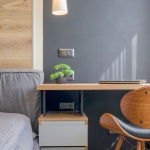
Living small doesn’t have to mean living cramped. With a practical framework and a few smart systems, your tiny home can feel expansive, efficient, and beautifully calm. This comprehensive guide lays out small apartment organization step by step—from planning and decluttering to space-saving furniture, vertical storage, and daily habits—so you can reclaim every inch and enjoy a lighter, quieter life.
Why Tiny-Space Organization Matters
When square footage is scarce, every decision bears extra weight. Disorganization compounds quickly, visual clutter elevates stress, and daily routines get bogged down by friction. Conversely, a tidy micro-home delivers:
- Time savings: Find what you need fast with clear zones and labeled storage.
- Mental clarity: Fewer visual distractions, less decision fatigue.
- Financial benefits: Avoid duplicate purchases and make intentional buys.
- Flexible living: Modular, multi-use spaces flex from work to rest to hosting.
Think of this blueprint as both a one-time reset and an everyday operating system. You’ll get the tools to arrange your tiny apartment once, then keep it humming with minimal effort.
Before You Begin: Mindset, Goals, and Measurements
Good design starts before the first drawer is sorted. Preparation cuts trial-and-error and ensures your home serves your life—not the other way around.
Set Your Vision (and Constraints)
- Define top priorities: Do you need a quiet work nook, room for yoga, a spot to host friends, or a food-prep surface that never gets buried?
- Identify deal-breakers: For example, no blocking natural light, no furniture deeper than 18 inches, or no items stored on the floor.
- Adopt a minimalist lens: Keep what you love and what you use. Let purpose—not potential—guide what earns a spot.
Measure Everything
- Walls and windows: Note widths, heights, sill placement, heaters, and outlets to avoid purchase regrets.
- Existing storage: Measure closets, cabinets, alcoves, and the space under your bed or sofa.
- High-value gaps: Over-door gaps, the space above cabinets, and corners. These are prime for vertical storage solutions.
Sketch a Simple Plan
On paper or in an app, draw your floor plan to scale. Add zones (sleep, work, dine, lounge, entry, and storage). It’s easier to move boxes on a drawing than to shuffle furniture in real life.
Step 1: Audit and Declutter Ruthlessly
Real space-making starts with subtraction. You can’t organize excess. Use this phase to set a lighter baseline for every decision that follows.
Use the Four-Box Method
- Keep (with a home): Items you use weekly or monthly, or that are truly loved.
- Donate/Sell: Good-condition items you don’t need.
- Recycle: Paper, textiles, electronics via proper channels.
- Trash: Broken, expired, or beyond repair.
Tackle by Category, Not Room
Gather all like items across your home, then decide what stays. This prevents duplicates from hiding. Try categories such as:
- Clothes and shoes (build toward a capsule wardrobe)
- Kitchen tools and gadgets
- Linens and towels
- Paperwork and office supplies
- Hobby gear and seasonal decor
Apply Clear Criteria
- Frequency filter: If you haven’t used it in 6–12 months (excluding seasonal), it likely doesn’t belong.
- Quality over quantity: One excellent version beats three mediocre ones.
- Fit your life now: Keep what aligns with current routines and goals.
Exit Items Quickly
Schedule a donation drop-off or pick-up within 48 hours, list sellable items the same day, and recycle responsibly. The faster things exit, the more momentum you keep.
Step 2: Define Functional Zones in a Small Footprint
In a tiny home, zones are invisible boundaries that assign every inch a job. This prevents clutter creep and keeps tasks frictionless.
Map Micro-Zones
- Entry: Hooks, a slim shoe rack, and a shallow tray for keys and mail. Consider a wall-mounted shelf with a drawer.
- Living/Lounge: Seating with hidden storage, a nesting coffee table, and a media cabinet that doubles as book storage.
- Work Nook: Fold-down desk or a wall-mounted shelf desk, a task lamp, and a closed bin for supplies.
- Dining: A drop-leaf table that expands for guests and tucks in when not in use.
- Sleep: A Murphy bed, loft bed, or platform with drawers for under-bed storage.
Use Soft Dividers
- Area rugs: Anchor zones without adding visual weight.
- Open shelving: Doubles as storage and a semi-partition.
- Curtains or folding screens: Flexible privacy without permanent walls.
Step 3: Maximize Vertical Space and Hidden Volume
Walls, doors, and dead air above cabinets are your secret square footage. Unlock them first.
Go Up the Walls
- Track systems or pegboards: Adjustable and renter-friendly. Hang pans, tools, or office gear.
- Over-door organizers: Ideal for cleaning supplies, toiletries, or pantry items.
- Ceiling potential: Bike pulleys, pot racks, or hanging planters to free floor and counter space.
- High shelves: Store rarely used or seasonal items in labeled bins. Keep a foldable step stool handy.
Exploit Hidden Spaces
- Under-bed drawers: Vacuum-sealed bags for off-season clothing, extra linens, or bulky textiles.
- Sofa with storage: Tuck in board games, blankets, or workout gear.
- Toe-kick drawers: In kitchens, these slim drawers near the floor hold trays or cutting boards.
- Inside-cabinet add-ons: Shelf risers, pull-out baskets, and door-mounted spice racks.
Step 4: Choose Multi-Functional, Space-Saving Furniture
Your furniture is your floor plan. Choose pieces that earn their keep in more than one way.
Smart Picks
- Murphy bed or loft bed: Reclaim floor space by day; add shelving to the sides for books and bedside items.
- Storage ottoman or bench: Seating plus hidden storage in one footprint.
- Drop-leaf or gateleg table: Expandable dining/work surface that stores slim.
- Nesting tables: Pull out when needed; tuck away to clear circulation paths.
- Media console with doors: Keeps visual clutter out of sight, maintaining a clean look.
- Modular shelving: Reconfigure as needs evolve (studio apartment layouts change often).
Buy with a Measurement Mindset
- Depth discipline: Keep furniture under 18–20 inches deep when possible.
- Leggy silhouettes: Visually lighter pieces make rooms feel larger.
- Rounded corners: Safer in tight turns and better flow.
Step 5: Storage Systems Room by Room
With categories pared down and zones defined, it’s time to give every item a home. The goal: fast retrieval, easy put-away.
Living Room
- Closed storage for small items: Remote caddies, lidded boxes, and a media console with doors.
- Vertical book storage: Tall shelves that leave floor free; add baskets on lower shelves for cords and tech.
- Hidden blankets and games: Store in ottomans or under a lift-top coffee table.
Bedroom and Closet
- Capsule wardrobe: Curate versatile staples; store out-of-season clothes in under-bed bins.
- Closet tiers: Double hanging rods, shelf dividers, slim velvet hangers to maximize capacity.
- Drawer inserts: File-folding for tees and leggings; small trays for accessories.
- Nightstand alternatives: Wall-mounted shelves or pocket organizers if floor space is tight.
Kitchen Organization
- Zone by function: Prep, cook, bake, beverage, and cleaning.
- Use risers and pull-outs: Double shelf space; bring items forward for easy reach.
- Magnetic strips: Mount knives and spice tins; free up drawers and counters.
- Back-of-door racks: Store wraps, foil, cutting boards, or pantry jars.
- Decant staples: Clear, stackable containers with labels curb duplicates and overbuying.
Bathroom Storage
- Over-toilet shelving: Prime vertical real estate for towels and toiletries.
- Cabinet inserts: Tiered shelves and drawer baskets for skincare and medicine.
- Shower caddies: Corral products by user; refill travel bottles to save space.
- Laundry triage: Slim hamper with sections (lights/darks/delicates) to reduce mess.
Entryway and Hallway
- Command center: Wall-mounted mail sorter, key hooks, and a dry-erase calendar.
- Slim shoe cabinet: Keeps pairs upright without hogging floor space.
- Umbrella hook and tray: Prevents puddles and floor clutter.
Bonus: Balcony or Utility Niche
- Weatherproof bins: Seasonal decor, sports gear, or extra household supplies.
- Foldable tools: Collapsible drying rack, nesting planters for urban gardening.
Step 6: Create a Labeling and Maintenance System
Organization fails without maintenance. Keep it effortless with labels and simple routines.
Labeling That Works
- Plain and consistent: Use clear, large fonts. Avoid overly cute labels that obscure meaning.
- By category, not person: “Skincare—AM” or “Cables—USB-C/USB-A” beats “Sarah’s Stuff.”
- Color codes: One color per zone (bedroom, kitchen, bathroom) simplifies returns.
- Inventory lite: For pantry or cleaning supplies, a small sticky note showing minimums helps prevent stockpiles.
Micro-Habits to Keep It Tidy
- Two-minute reset: Every night, return items to homes while a kettle boils or a song plays.
- One-in, one-out: When a new item arrives, an old one leaves.
- Surface rule: Keep 60–70% of surfaces clear to preserve visual calm.
- Weekly sweep: 20-minute pass through high-clutter zones: entry, coffee table, counters.
Step 7: Aesthetic Cohesion and Visual Calm
A streamlined look makes a small space feel larger. Focus on harmony over maximal variety.
Design Principles for Tiny Apartments
- Restrained palette: 2–3 base neutrals plus 1–2 accent colors.
- Repeat materials: Echo the same wood tone or metal finish for continuity.
- Closed fronts where clutter gathers: Use doors or bins for visually noisy categories.
- Layered lighting: Overhead + task + ambient to zone and set mood.
- Mirrors and glass: Reflect light and visually expand space.
Step 8: Smart Tech and Apps That Simplify Small Living
Lean tech can lighten the load and trim visual noise.
- Robot vacuum: Schedules daily floor care around furniture legs and under beds.
- Smart plugs: Automate lamps; hide power strips in cable boxes to declutter lines.
- Inventory apps: Track pantry items or capsule wardrobe rotations, preventing overbuying.
- Label maker: Quick, uniform labels—your maintenance MVP.
Step 9: Budget, Timeline, and Shopping Strategy
Structure keeps your project moving and aligned with your goals.
Set a Realistic Budget
- Tier 1 (no-spend/low-spend): Declutter, rearrange, DIY labels, repurpose boxes and jars.
- Tier 2 (smart upgrades): Shelf risers, under-bed bins, over-door racks, a fold-down desk.
- Tier 3 (big impact): Murphy/loft bed, modular closets, custom shelving.
Phased Timeline
- Week 1: Declutter by category; schedule donations.
- Week 2: Map zones; measure; purchase key organizers/furniture.
- Week 3: Install vertical storage; set up kitchen and closet systems.
- Week 4: Label everything; refine habits and lighting.
Shopping List (Modular and Renter-Friendly)
- Over-door organizers, shelf risers, and pull-out baskets
- Clear bins in stackable sizes; vacuum storage bags
- Label maker and spare tape; cable boxes and clips
- Fold-down desk or drop-leaf table; nesting tables
- Storage ottoman/bench; under-bed drawers
- Pegboard or track system; foldable step stool
Step 10: Your Reset Weekend Game Plan
Ready to execute? Here’s a compact schedule you can follow for a powerful two-day reset—true small apartment organization step by step in action.
Day 1: Subtract and Zone
- Morning: Declutter wardrobe and bathroom; take donation bags out immediately.
- Afternoon: Declutter kitchen gadgets and pantry; decant staples and label.
- Evening: Sketch zones; rearrange furniture to support traffic flow; roll out rugs.
Day 2: Install and Label
- Morning: Mount pegboards/shelves; add over-door organizers; set up under-bed storage.
- Afternoon: Configure closet with double rods and dividers; file-fold drawers.
- Evening: Label bins and shelves; set up a two-minute nightly reset routine.
Common Mistakes (and How to Avoid Them)
- Buying organizers before editing: Declutter first or you’ll organize excess.
- Ignoring vertical space: If your walls are bare, you’re missing square footage.
- Too many open shelves: Great for display; terrible for miscellaneous items. Use doors/bins for visual calm.
- Depth and clearance errors: Measure twice; ensure doors and drawers open fully in tight quarters.
- Skipping labels: Unlabeled bins become black holes.
- Overlapping zones: Keep work surfaces sacred; don’t let mail invade the dining table.
Frequently Asked Questions
How do I start if I’m overwhelmed?
Set a 20-minute timer and tackle one micro-category (e.g., socks). Quick wins build momentum. Then follow this guide for small apartment organization step by step at a sustainable pace.
What space-saving furniture gives the biggest payoff?
A Murphy or loft bed, a drop-leaf table, and a storage ottoman transform daily function while freeing floor space. Pair with vertical shelving for maximum gain.
How do I maintain once everything’s in place?
Label clearly, practice a nightly two-minute reset, and use one-in/one-out. Add a weekly 20-minute sweep to reset hotspots.
Can renters do all this without drilling?
Yes—use tension rods, adhesive hooks, freestanding shelves, over-door racks, and furniture that integrates storage. Choose removable adhesives rated for the weight you need.
The 30-Day Maintenance Challenge
Lock in your new systems with a quick daily habit stack. Each day, do these in under 10 minutes:
- Return ten items to their homes.
- Clear the flattest surface (desk or dining table) to 70% empty.
- Scan the entry for shoes and mail; reset in under two minutes.
- Pick one micro-area (a drawer or shelf) to tidy for 3 minutes.
By the end of the month, your home will feel automatically organized—because the system will be yours.
Final Checklist: From Cluttered to Clever
- Edit ruthlessly: Keep only what serves your life now.
- Zone with intention: Assign each activity a home—even in a single room.
- Think vertical: Walls, doors, and high shelves are bonus square footage.
- Choose multi-functional furniture: Beds, tables, and seating that store or fold.
- Label everything: The fastest route to tidy.
- Maintain with micro-habits: Two minutes a night beats a weekend lost to tidying.
Putting It All Together
This is your blueprint for living large in a small footprint: a clear pathway to a home that’s lean, flexible, and calm. By following small apartment organization step by step—audit, zone, elevate, furnish smart, systemize, and maintain—you’ll convert square inches into square wins. The real secret is not perfection; it’s consistency. Start small today, and your tiny apartment will start working big for you tomorrow.
Appendix: Room-by-Room Micro-Guide
Entryway
- Wall hooks at two heights for coats and bags
- Slim shoe cabinet; rotate seasonally
- Mail sorter with a recycle bin within 10 seconds of the door
Living Area
- Closed media storage for remotes, chargers, controllers
- Nesting tables; one with a lip tray to corral items
- Throw blankets in a storage bench or lidded basket
Workspace
- Wall-mount desk with a cable box underneath
- One desktop caddy only; everything else lives in closed bins
- Task light with a clamp to save desk surface
Kitchen
- Decant grains and pasta; label with cook times
- Magnetic knife strip; over-door spice rack
- Pull-outs in under-sink cabinet; caddy for cleaning supplies
Bedroom
- Platform bed with drawers; vacuum bags for off-season gear
- Double-hang closet; slim hangers; shelf dividers
- Wall shelves as nightstands; cable clips for chargers
Bathroom
- Over-toilet shelf; tiered organizers inside vanity
- Labeled caddies per person or routine (AM/PM)
- Rolling cart if linen closet is absent
Your Next Three Actions
- Pick one category (e.g., T-shirts) and declutter it tonight.
- Mount one vertical solution (over-door rack or pegboard) this week.
- Establish one micro-habit (two-minute nightly reset) and set a recurring reminder.
Small moves, repeated, reshape your space—and your day. Start now, and you’ll feel the shift within a week.
Keywords naturally integrated: tiny apartment organization, decluttering tips, space-saving furniture, vertical storage, minimalist living, storage solutions, capsule wardrobe, kitchen organization, bathroom storage, entryway ideas, studio apartment layout, under-bed storage, multi-functional furniture, closet organization, smart storage hacks, labeling system.