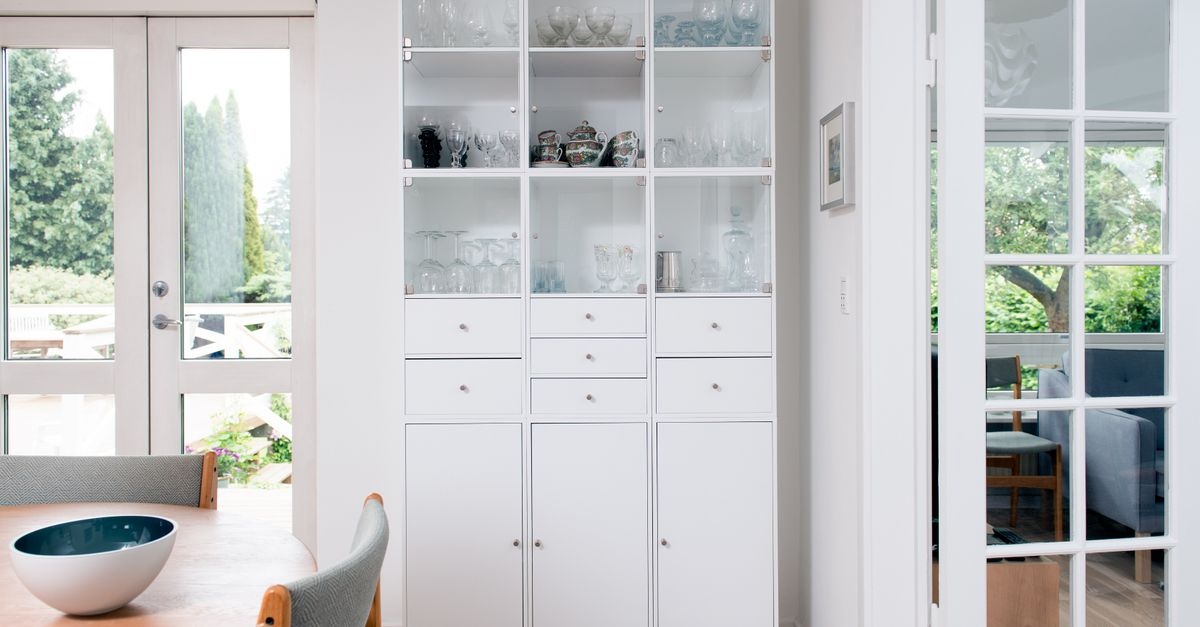
Wondering how to design a dining room with a glass display cabinet so it looks elegant rather than cluttered. You are in the right place. This in-depth guide turns a single piece of furniture into a statement that anchors the whole room, elevating both style and function. From planning and proportions to lighting, shelf styling, and maintenance, you will learn how to make your cabinet the hero while keeping the space warm, practical, and ready for everyday meals or celebratory dinners.
Why a Glass Display Cabinet Makes a Chic Focal Point
A glass-front cabinet brings visual lightness, glossy texture, and vertical architecture to a dining room. It invites the eye to linger, reflecting ambient light and showcasing treasured dinnerware, artful ceramics, barware, or collectibles. When you organize and light it well, this cabinet becomes a curated stage that signals taste and hospitality.
- Visual depth and sparkle Glass adds reflectivity that amplifies natural and artificial light.
- Built-in storytelling Your displayed pieces narrate your style, travels, and traditions.
- Functional storage Closed doors protect items from dust, while visibility keeps them in rotation.
- Versatile style Works across modern, traditional, transitional, and eclectic rooms.
Whether you choose a sleek curio cabinet, a classic china hutch, or a contemporary glass display case, the piece can define the design language for everything around it.
Define Your Vision And Style Direction
Before furniture shopping or rearranging, clarify the story you want the room to tell. This ensures that the cabinet and the rest of the decor feel intentional and connected.
Create a mood board
- Gather references for dining rooms with display hutches or glass-front cabinets that you admire.
- Collect swatches for wall color, upholstery, and rug texture to see how they interact with glass and wood or metal frames.
- Note recurring motifs such as arched doors, fluted details, brass accents, black metal, ribbed glass, or oak finishes.
Choose a design language
- Modern Slim black metal cabinet, low profile base, warm wood table, sculptural pendant, tonal palette.
- Traditional Crown molding, glass mullions, medium to dark wood, upholstered chairs, classic rug pattern.
- Transitional Clean lines plus soft curves, mixed metals, neutral base with one bold accent color.
- Eclectic Vintage cabinet with patina, layered textiles, curated mix of glassware and artisan pottery.
Write one sentence that sums up your intent, such as Make the cabinet glow at night and feel gallery-worthy by day. Keep this sentence as a north star during every decision.
Plan The Layout Around The Cabinet
A beautiful piece loses impact without the right placement and circulation. Layout shapes first impressions and determines daily comfort.
Pick the focal wall and sightlines
- Entry view Position the cabinet where it is visible from the doorway or a main approach path, so it sets the tone.
- Natural light Place perpendicular to windows to reduce glare while still catching soft reflected light.
- Wall space Allow enough width for the cabinet plus breathing room for art or sconces.
Respect scale and clearances
- Maintain at least thirty-six inches between table edge and walls or the cabinet to permit easy pass-through.
- Ensure the cabinet doors open fully without colliding with chairs or a sideboard.
- Choose a table proportionate to the cabinet height. If the cabinet is tall and grand, a more substantial table grounds the composition.
Small and open-concept spaces
- Small dining room Opt for a narrow depth glass cabinet, round table to ease flow, and armless chairs.
- Open concept Use a rug to define the zone. The cabinet can act as a backdrop that visually separates dining from living.
- Narrow rooms Consider a wall-mounted glass-front unit or shallow cabinet to preserve walkway width.
Design decisions should guard the cabinet’s status as a focal point while preserving circulation and comfort.
Color Palette And Materials That Complement Glass
Glass is a chameleon. It partners beautifully with matte walls, rich woods, veined stone, and brushed metals. The right palette helps what is inside the cabinet stand out instead of blending into the background.
Build a base palette
- Neutrals Soft white, warm beige, stone gray, or greige keep the vibe calm and airy.
- Contrast For drama, pair a dark cabinet frame with pale walls, or vice versa.
- Accents Bring in one or two accent hues via textiles, art, or florals to echo colors in your displayed pieces.
Coordinate finishes
- Woods Oak, walnut, or ash pair well with glass; match undertones across flooring, table, and cabinet for cohesion.
- Metals Brass warms, chrome cools, blackened steel sharpens. Repeat a metal at least twice for continuity.
- Stone and ceramic A stone-topped sideboard or ceramic vases add tactile counterpoints to glass.
Textiles and pattern play
- Use an area rug to add softness and sound absorption, especially important in rooms with lots of hard surfaces.
- Seat fabrics can echo the tones of your cabinet contents for a subtle, layered effect.
- Balance pattern with solids. If your rug is bold, keep drapery and chair upholstery calmer.
Lighting Strategy To Make The Display Glow
Lighting transforms a glass-front cabinet from storage to showpiece. Plan layers of illumination so your room is flattering at any hour.
Layer ambient, task, and accent
- Ambient A chandelier or pendant over the table provides general light. Choose dimmable fixtures for mood control.
- Task Buffet lamps on a sideboard support serving and add warmth.
- Accent Sconces flanking the cabinet frame it like a piece of art.
Inside-cabinet lighting
- Low-profile LED strips or puck lights mounted at the top or verticals wash shelves evenly.
- Select warm white in the range commonly used for living spaces to flatter wood tones and table settings.
- Use high color rendering for true-to-life dishware hues.
- Run lighting to a hidden switch or smart plug so you can illuminate the display with one tap.
Pro tip If your cabinet has mirrored backing, reduce brightness slightly to avoid hotspots and reflections of light sources.
Control glare and reflections
- Position ceiling fixtures so they are not directly mirrored in the cabinet glass.
- Use dimmers and layered light sources instead of one overpowering downlight.
- For open shelves behind glass, mix matte and gloss objects to balance shine.
Style The Shelves Like A Pro
The best answer to how to design a dining room with a glass display cabinet often lies in what you put on those shelves and how you arrange it. Treat the interior like a miniature gallery. Edit bravely and display with intention.
Curate your collection
- Choose a theme Fine china, artisan pottery, cut glass, or a mix with a unifying color or material.
- Quality over quantity Leave breathing room. Negative space elevates each piece.
- Vary heights and shapes Pedestal bowls, tall vases, stacked plates, and lidded jars create rhythm.
Composition principles
- Use the rule of thirds and odd-number groupings for natural harmony.
- Layer front to back. Place a tall object near the back, medium mid-shelf, smaller pieces near the front lip.
- Color-block sparingly. Group items by tone to avoid visual noise.
- Repeat materials at least three times across the cabinet to knit the composition together.
Functional styling
- Keep frequently used wine glasses or dessert plates at eye or hand level.
- Store special-occasion pieces higher but light them gently to keep them visible.
- Use risers to elevate short items and line up stems neatly for a boutique look.
Seasonal refresh ideas
- Spring pastels with bud vases and linen napkins.
- Summer coastal tones with clear glass and shells in a small bowl.
- Autumn russets with copper accents and stoneware.
- Winter sparkle with mercury glass, candles, and evergreen sprigs in sealed cloches.
Furniture Pairings That Elevate The Cabinet
Pair the cabinet with a dining set and accents that complement its visual weight and material language. Think of the table, chairs, and sideboard as a chorus supporting the soloist.
Dining table and seating
- Table shape Round tables aid flow and reduce sharp corners; rectangular suits long rooms and can align with a wide cabinet.
- Scale A thin-frame cabinet looks sleek with a lighter table profile, while a substantial hutch loves a beefier pedestal or trestle base.
- Seating mix Upholstered end chairs with wood side chairs create depth; benches or a built-in banquette maximize seating in small rooms.
Sideboards, bar carts, and companions
- Place a sideboard on an adjacent wall to expand serving space and echo your cabinet finish.
- A slim bar cart can tuck near the cabinet for entertaining ease, repeating metal or glass details.
- Coordinate hardware finishes across pieces for a tailored ensemble.
Art, mirrors, and wall accents
- Hang art opposite the cabinet to balance the room and draw the eye around.
- Use sconces to flank the cabinet if the wall width allows, adding warm accent light.
- A mirror adjacent to, not directly facing, the cabinet can amplify light without doubling clutter.
Practical Considerations Storage, Care, And Safety
Chic design thrives when it meets real life. Plan systems that keep your display pristine and your dinner service effortless.
Smart organization inside the cabinet
- Group by function such as everyday glassware, specialty stemware, serveware, or collectibles.
- Use felt or cork shelf liners to prevent scratches beneath plates and bowls.
- Employ clear stands, risers, and plate holders to make layers visible and stable.
Dust and glass care
- Dust weekly with a microfiber cloth and use an anti-static spray monthly to deter buildup.
- Clean glass with a lint-free cloth and a minimal, streak-free solution; avoid spraying directly onto items.
- Check door seals and hinges. A well-sealed cabinet reduces dust ingress significantly.
Safety and durability
- Anchor tall cabinets to the wall, especially in homes with children or in seismic zones.
- Place heavy items on lower shelves to lower the center of gravity.
- Consider soft-close hinges to protect delicate pieces from vibration.
Budget And Sourcing New, Vintage, Or DIY
The path to a polished dining room does not have to be costly. You can find excellent display pieces and complementary furnishings at a range of price points.
Where to shop
- Retailers offering contemporary glass and metal cabinets and flat-pack options for easy delivery.
- Vintage shops, estate sales, and online marketplaces for character-rich hutches with real wood construction.
- Local makers or carpenters for custom builds that fit tight alcoves or awkward walls.
Upcycling and restoration
- Refinish a vintage cabinet with a gentle sand and new stain or paint to harmonize with your palette.
- Swap hardware to update the vibe. Aged brass, black knobs, or slender pulls can refresh the look fast.
- Replace hazy glass with clear tempered glass or ribbed reeded glass for texture and privacy.
Sample budget tiers
- Starter Flat-pack glass cabinet, simple rug, pendant, and a mix of thrifted dishware for a curated interior on a modest budget.
- Mid-range Solid-wood glass-front cabinet, upholstered chairs, dimmable lighting layers, and a wool-blend rug.
- High-end Custom cabinet with integrated lighting, artisan table, bespoke upholstery, and hand-knotted rug.
Case Studies Three Cohesive Scenarios
Minimalist city apartment
A slim black metal glass cabinet stands on a white wall. Inside, a restrained mix of clear stemware, matte stoneware, and two sculptural vases in soft beige creates calm order. A round ash table with four light oak chairs keeps the footprint efficient. Overhead, a simple globe pendant on a dimmer provides glow. A low-pile rug in warm gray defines the zone. The result is serene and magazine-clean, ideal for compact spaces where every element must earn its keep.
Classic suburban dining room
A medium walnut cabinet with paneled glass doors anchors a wall opposite a picture window. Shelves carry heirloom china, crystal decanters, and a few silver pieces on black felt liners. A rectangular table with upholstered end chairs and wood side chairs grounds the arrangement. Wall sconces bookend the cabinet, and a gentle brass chandelier nods to tradition. The palette is creamy white with navy drapery and a Persian-inspired rug. The room feels timeless, warm, and gracious for gatherings large and small.
Cozy cottage breakfast room
A compact vintage hutch in soft sage paint holds glazed stoneware in cream, honey, and moss. Open shelving inside the doors makes everything easy to reach. A small round pedestal table with a two-seat built-in banquette saves space. Linen cafe curtains filter morning light. A woven runner brings texture underfoot. With a few wildflowers in a pitcher and hand-thrown mugs, the space feels personal and effortlessly welcoming.
Step-by-Step Checklist From Plan To Polish
- Clarify goals Write a one-line vision for the room.
- Gather inspiration Create a mood board with cabinet styles and palette ideas.
- Measure everything Room, doors, windows, and potential cabinet footprints.
- Layout test Sketch or use a simple planner to confirm clearances and door swings.
- Select finishes Decide on woods, metals, textiles, and a primary accent color.
- Choose lighting Specify chandelier, sconces, and cabinet lighting with dimmers.
- Source furniture Cabinet, table, chairs, and optional sideboard or cart.
- Install and anchor Place the cabinet, secure it, and set up lighting.
- Style shelves Curate, edit, and arrange with balance and negative space.
- Finalize layers Rug, drapery, art, and centerpiece or tablescape.
- Maintain Establish a monthly refresh and cleaning routine.
Common Mistakes And How To Avoid Them
- Overfilling shelves Leave breathing room so each piece reads clearly.
- Ignoring lighting Without accent light, the cabinet becomes a shadowy box.
- Proportion mismatch A tiny table with a massive cabinet or vice versa throws the room off balance.
- Clashing finishes Too many unrelated woods and metals create visual noise. Repeat finishes for unity.
- Blocking access Ensure doors open fully and common traffic paths stay clear.
Frequently Asked Questions
How do I choose the right size cabinet
Measure your wall and ceiling height, then select a cabinet that fills roughly two thirds of the wall width and leaves several inches of space above for breathing room. Check door swings and allow comfortable walkway clearance between the cabinet and table.
Should the table wood match the cabinet
Exact matches are not required. Instead, coordinate undertones. Pair warm with warm or cool with cool, and repeat a wood tone elsewhere, like in a frame or sideboard, to tie the room together.
What should go inside versus on top
Place display-worthy dishware and glassware behind the doors, and use the top surface for a pair of lamps, a seasonal arrangement, or a single statement sculpture. Avoid overcrowding both the interior and the top.
How can I make a budget cabinet look custom
Upgrade hardware, add interior lighting, line shelves with felt or linen, and style carefully with a curated palette. If possible, paint or refinish the piece to harmonize with your walls or trim.
How often should I refresh the styling
Do a light shuffle seasonally. Swap a few pieces, adjust color accents, and clean glass and shelves. A small update keeps the room feeling alive without constant overhaul.
Bringing It All Together
Mastering how to design a dining room with a glass display cabinet is about more than parking a pretty hutch against a wall. It calls for thoughtful layout, balanced proportions, a palette that flatters glass and contents, layered lighting that makes everything glow, and shelf styling that edits as much as it displays. When you align these elements, the cabinet becomes both a spotlight and a supporting player, celebrating your collections and setting the mood for memorable meals.
Start with your vision sentence, confirm flow and clearances, then build up in layers. With each step, ask whether the choice supports the focal point, improves comfort, and simplifies daily life. Do this, and your dining room will feel chic, cohesive, and ready for years of gracious hosting.
Bonus Tips To Fine-Tune Your Space
- Tablescape synergy Let your centerpiece echo one color or material from the cabinet interior for subtle cohesion.
- Greenery A small potted olive tree or a vase of branches near the cabinet adds life and softens hard lines.
- Sound and comfort Add a dense rug pad and lined drapery to reduce echo in glass-rich rooms.
- Entertaining workflow Keep serving pieces on a lower cabinet shelf and stage a tray on a sideboard to make hosting smoother.
A Short Recap And Next Steps
If you came looking for how to design a dining room with a glass display cabinet and leave with a plan, here is your quick recap. Choose a clear style direction, place the cabinet for strong sightlines, ensure generous clearances, pick a harmonious palette, layer lighting including inside the cabinet, style shelves with intention and negative space, and maintain with simple routines. Now gather your measurements, refine your mood board, and make that first purchase or refresh. Your showcase-ready dining room is one thoughtful step away.