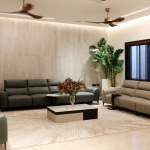
Design with intention is more than a slogan; it is a practical way to shape spaces that uplift daily life while reducing harm to the environment and society. If you have been wondering How to design interiors consciously, this guide translates values into verifiable actions, combining aesthetics with ethics, performance with poetry, and long-term durability with day-to-day delight. What follows is a complete roadmap you can use whether you are refreshing a single room or orchestrating a full renovation.
What It Means To Design With Intention
Intentional interiors balance beauty, health, ecology, and equity. Rather than defaulting to trends, they ask better questions: Who will use this space, and how? What materials are safe, circular, and responsibly sourced? How can energy and water use fall without sacrificing comfort? How will this space age gracefully, adapt to change, and tell a meaningful story? Learning How to design interiors consciously starts with reframing success from instant gratification to lasting value.
From Aesthetic To Ethical
Traditional design prioritizes look and feel, but conscious design widens the lens. It accounts for human wellbeing, fair labor, climate impact, and future adaptability. A room can be beautiful and still miss the mark if it off-gasses toxics, wastes energy, or excludes certain users. The goal is beauty with consequence: spaces that are visually compelling, emotionally calming, functionally precise, and ethically sound.
Core Principles Of Conscious Design
- Health: Favor low-VOC paints, non-toxic finishes, natural or certified materials, superior ventilation, and daylighting to protect indoor air quality.
- Stewardship: Reduce embodied carbon by reusing, choosing recycled content, and buying durable items that can be repaired or disassembled.
- Inclusion: Apply universal design so spaces are intuitive, accessible, and dignified for people of different ages, abilities, and cultures.
- Context: Respect local climate, craft, and culture to anchor interiors in place and story.
- Performance: Right-size systems, layer lighting, and control energy and water use through efficient hardware and smart controls.
- Transparency: Seek credible certifications and disclosures; verify claims, and track outcomes post-occupancy.
Start With Why: Purpose, Values, And Scope
Every conscious project begins with intention. Clarify your why before your what. This foundational work helps you prioritize trade-offs and avoid regrets.
Vision And Values
- Write a short vision statement for the space: how you want it to feel and perform six months, two years, and ten years from now.
- Rank values such as health, budget, durability, carbon impact, cultural fit, and speed. Use the ranking to guide later choices.
- Define user profiles: ages, abilities, routines, sensory preferences, and maintenance capacity.
Scope, Budget, And Impact
- Map the scope into must-haves, nice-to-haves, and future phases. Constrain scope to protect quality and ethics in must-have items.
- Build a values-based budget. Allocate more to high-touch, hard-to-replace elements (flooring, lighting, millwork) and less to easily swapped decor.
- Set measurable goals: VOC limits, embodied carbon targets, energy intensity reduction, water savings, and accessibility improvements.
Health First: Materials, Air, And Wellness
Indoor environments significantly influence cognitive function, sleep, and mood. Conscious interiors treat health as non-negotiable.
Low-Toxicity Materials And Trusted Labels
- Paints and finishes: Choose low- or zero-VOC products, plant-based oils and waxes, and water-based adhesives. Look for Greenguard Gold or equivalent labels.
- Wood products: Ask for FSC-certified timber, solid wood over particleboard, and formaldehyde-free plywood.
- Textiles and rugs: Natural fibers such as wool, organic cotton, linen, jute, and hemp; avoid unnecessary stain-resistant treatments. OEKO-TEX or GOTS labels help.
- Flooring: Consider cork, bamboo, reclaimed hardwood, terrazzo with recycled aggregate, natural linoleum, or polished concrete with low-emission sealers.
- Foams and padding: Prefer natural latex or recycled content foams with verified low emissions; avoid flame retardants where not code-required.
Biophilic Design
Connection to nature measurably reduces stress and supports creativity. Incorporate nature in multiple modes:
- Direct: Plants sized to the space, views to outdoors, operable windows.
- Indirect: Natural materials and textures, earth-toned palettes, images of landscapes, light that mirrors circadian rhythms.
- Spatial: Prospect (open views), refuge (cozy nooks), and transitions that echo natural sequences.
Light, Acoustics, And Thermal Comfort
- Daylighting: Maximize diffuse natural light with light shelves, reflective surfaces, and shade control. Use warm-to-neutral color temperatures indoors.
- Layered lighting: Combine ambient, task, and accent layers. Pair LEDs with dimmers and occupancy sensors for savings and flexibility.
- Acoustics: Soften reverberation with wool rugs, acoustic panels, cork, bookshelves, and curtains; seal gaps to block noise.
- Thermal comfort: Insulate well, control drafts, use ceiling fans for mixed-mode comfort, and zone spaces for different needs.
Planet In Mind: Materials And Circularity
Materials carry hidden stories of extraction, energy, and labor. Designing for circularity keeps value cycling and waste shrinking.
Sourcing For Lower Impact
- Local first: Reduce transport emissions and support regional economies by choosing nearby suppliers and artisans.
- Reclaimed and recycled: Salvaged wood, recycled glass tile, remnant stone, reclaimed brick, and vintage furniture reduce embodied carbon.
- Disclose and verify: Ask for Environmental Product Declarations (EPDs), Health Product Declarations (HPDs), and Cradle to Cradle certifications.
Design For Longevity And Repair
- Specify replaceable parts and readily available hardware; prefer modular systems and mechanical fasteners over permanent adhesives.
- Choose timeless forms and palettes for large items; use trend colors in pillows, art, and paint.
- Provide care guides and keep a labeled kit with touch-up finishes and spares.
Waste Minimization
- Audit existing assets. Refinish, reupholster, or repurpose before sending to landfill.
- Order exact quantities, coordinate deliveries, and plan for deconstruction and resale of removed items.
- Set up on-site recycling and donation streams during renovation.
Energy And Water: Performance That Pays Back
Efficient systems lower utility bills and emissions while increasing comfort. Tackle passive strategies first, then specify efficient equipment.
Lighting That Works Hard
- Use high-efficacy LEDs with quality drivers and a 90+ CRI for accurate colors.
- Layer light with task sconces, dimmable pendants, and cove lighting; add controls like dimmers, vacancy sensors, and smart scenes.
- Reduce glare using diffusers, indirect uplighting, and matte finishes on work surfaces.
Comfort Systems
- Passive first: Shade south and west exposures, add thermal mass, seal leaks, and insulate.
- Efficient equipment: Right-size heat pumps, use smart thermostats, and specify MERV 13 filtration where feasible.
- Ventilation: Provide continuous fresh air via ERVs or HRVs; place intakes away from pollution sources.
Water Wise
- Install low-flow faucets and showerheads, dual-flush or high-efficiency toilets, and leak detection sensors.
- Use drought-tolerant plants indoors and out; consider simple greywater reuse where permitted.
- Select dishwashers and washing machines with top-tier water and energy ratings.
Beauty That Lasts: Style, Color, And Psychology
Beauty is not superficial; it is functional psychology. Colors, textures, and forms shape mood and behavior. Being deliberate here is part of learning How to design interiors consciously in a way people can feel.
Color Psychology And Neuroaesthetics
- Use calming hues in rest areas, invigorating accents in active zones, and nature-based palettes for balance.
- Balance contrast for visual clarity; ensure luminance contrast at edges and steps to aid navigation.
- Vary texture and tactility to create sensory richness without clutter.
Timeless Versus Trend
- Anchor big investments with classic silhouettes and neutral bases; rotate small trend accents seasonally.
- Build a capsule palette that bridges rooms and reduces decision fatigue.
- Craft focal points with art, heirlooms, or artisan pieces that carry narrative weight.
Inclusive And Universal By Design
Inclusive interiors welcome more people with less friction. Universal design increases dignity and safety while benefiting everyone.
Practical Moves For Inclusion
- Plan clear 90 cm to 100 cm circulation paths and generous turning radii where possible.
- Use lever handles, rockers for switches, and D-pulls on cabinets for easier operation.
- Provide at least one seated-height work surface and varied seating types with arms and without.
- Ensure non-slip flooring, even transitions, and good task lighting with minimal glare.
- Consider acoustic privacy, visual privacy, and scent-free policies where appropriate.
Technology And Smart Living
Smart controls can deepen comfort and cut waste, but they should remain simple, secure, and accessible.
Right-Sized Smart
- Choose interoperable systems; prioritize privacy and local control when possible.
- Automate routine energy wins: thermostat setbacks, vacancy-based lighting, and shades that track sun.
- Use dashboards to visualize energy and water use; celebrate milestones to reinforce habits.
Furniture, Storage, And Space Planning
Layout, zoning, and furniture choices set the stage for daily ease and adaptability. Conscious planning extracts more life from every square meter.
Space That Works Hard
- Zone spaces by activity and noise levels: focus, social, rest, and play; place buffers between them.
- Use multifunctional furniture: sofa beds, nesting tables, drop-leaf dining, modular shelving.
- Design storage near points of use; label zones and create clear homes for items to maintain order.
- Mind scale and ergonomics; leave breathing room and circulation paths.
Locality, Culture, And Storytelling
Place-based design honors climate and culture. Sourcing from local artisans, using regional materials, and referencing history create authenticity that endures.
Sense Of Place
- Reflect local light, flora, and craft traditions through patterns, woods, and stone.
- Commission or source from nearby makers to reduce shipping and embed narrative value.
- Respect heritage features; adapt and restore rather than erase where feasible.
Ethics, Procurement, And Budget
Budget is a values document. Spend where it matters: health, durability, labor fairness, and energy performance. Save through creativity, phasing, and repair.
Ethical Sourcing
- Ask vendors about supply chains, labor standards, and traceability. Favor third-party certified goods.
- Compare total cost of ownership, not sticker price: maintenance, utility use, repairability, and resale.
- Buy secondhand where practical; refinish or reupholster to extend life and character.
Phasing And ROI
- Phase big moves to protect cash flow: envelope and systems first, then finishes and furnishings.
- Track paybacks: LEDs, controls, and water-saving fixtures often return investment quickly.
- Use warranties and service agreements; keep organized records for future owners.
Process: From Brief To Post-Occupancy
Clear process prevents waste, rework, and stress. Treat your project like a mini design lab.
Discovery And Definition
- Create a brief stating goals, constraints, users, and metrics.
- Document existing conditions; measure, photograph, and note opportunities for reuse.
Concept And Prototyping
- Develop mood boards and a material palette with at least one low-impact option per category.
- Mock up key elements with painter’s tape or cardboard; test sightlines and reach ranges.
- Gather samples; check color under day and night lighting; rub test for durability.
Specifications And Coordination
- Write a simple specification sheet including brand, model, finish, certifications, VOC content, maintenance, and warranty.
- Run a light-touch life cycle assessment using available product EPDs to compare embodied carbon.
- Coordinate lead times, delivery consolidation, and waste plans with trades and suppliers.
Execution And Commissioning
- Protect surfaces, maintain clean-air protocols, and sequence wet-applied products to minimize off-gassing.
- Commission lighting scenes, ventilation rates, and smart controls; train occupants on use.
- Allow a flush-out period with active ventilation before move-in.
Post-Occupancy Evaluation
- Survey users after 30, 90, and 365 days; track comfort, functionality, and delight.
- Monitor utilities and filter changes; compare to pre-project baselines.
- Document lessons learned to inform the next iteration.
Case Snapshots
Small Urban Apartment Refresh
A 45 m² rental gained function and calm through modular shelving, a fold-down desk, and a capsule palette. The team prioritized secondhand hardwood pieces, Greenguard Gold finishes, a wool rug, and LED lighting with dimmers. Result: better air quality, lower bills, and a feeling of spaciousness without increasing floor area.
Family Home With Biophilic Core
A family of four wanted wellness and low maintenance. They used FSC oak, natural linoleum, limewash paint, and an ERV for fresh air. A plant wall near a stair void and operable skylights linked rooms to sky and seasons. Universal design touches like lever handles and non-slip tile future-proofed the home.
Step-By-Step Checklist: How to design interiors consciously
- Write a one-page brief clarifying purpose, users, values, and measurable goals.
- Inventory what you already own; repair, refinish, and repurpose first.
- Set a values-based budget allocating more to health, durability, and systems.
- Build a mood board and material matrix with low-VOC, certified, or reclaimed options.
- Prioritize daylight, glare control, and layered LED lighting with dimmers and sensors.
- Specify low-toxicity paints, adhesives, sealants, and wood products with credible labels.
- Select durable, repairable furniture; favor modular pieces and timeless forms.
- Plan for universal access: clear paths, lever handles, non-slip flooring, and good task light.
- Right-size heating and cooling; add ventilation and filtration for clean air.
- Install low-flow fixtures and leak detection; choose efficient appliances.
- Coordinate deliveries to reduce packaging and trips; set up donation and recycling.
- Commission systems, flush the space, and educate users on care and controls.
- Evaluate performance post-occupancy; fine-tune and document lessons.
Common Pitfalls And How To Avoid Them
- Green gloss: Avoid vague eco claims; verify with EPDs, HPDs, or third-party certifications.
- Trend traps: Keep big moves timeless; apply trends with easily swappable accents.
- Complex tech: Choose simple, reliable controls and provide clear instructions.
- Budget blowouts: Phase work, protect quality in core items, and avoid scope creep.
- Ignoring maintenance: Choose finishes you can care for; provide a maintenance calendar and kit.
Measuring Impact And Telling The Story
Conscious design earns trust when results are visible. Track what matters and communicate it simply.
- Health: VOC levels, ventilation rates, and occupant wellbeing surveys.
- Carbon: Embodied carbon estimates from EPDs and operational energy use trends.
- Water: Monthly consumption relative to baseline; fixture performance.
- Inclusion: Accessibility features delivered; user feedback across age and ability.
- Resilience: Repair logs, component reuse rates, and durability outcomes.
Share a concise narrative: what you set out to do, what you changed, and how it improved life. This story inspires others and keeps the practice of How to design interiors consciously moving from idea to norm.
FAQs
Is conscious interior design more expensive?
Upfront costs can be similar or slightly higher for certain materials, but total cost of ownership often drops thanks to durability, lower utilities, and healthier environments that reduce rework.
What if I rent and cannot remodel?
Focus on portable wins: secondhand solid-wood furniture, low-VOC paints with landlord approval, LED bulbs, plug-in task lights, air purifiers, rugs, curtains, and thoughtful space planning.
How do I avoid greenwashing?
Ask for third-party documentation, compare options using EPDs and HPDs, and verify claims with recognized standards or independent labs.
How can small spaces be conscious and comfortable?
Declutter, use multifunctional furniture, optimize daylight, layer lighting, add vertical storage, and choose a restrained palette with tactile variety.
Conclusion: Design That Feels Good And Does Good
Learning How to design interiors consciously is a journey, not a single decision. When you lead with health, circularity, inclusion, and performance, every choice starts working in harmony. The result is not just a room that looks beautiful on day one, but a lived-in ecosystem that supports wellbeing, tells a meaningful story, and leaves a lighter footprint for years to come. That is design with intention: interiors that feel good and do good.