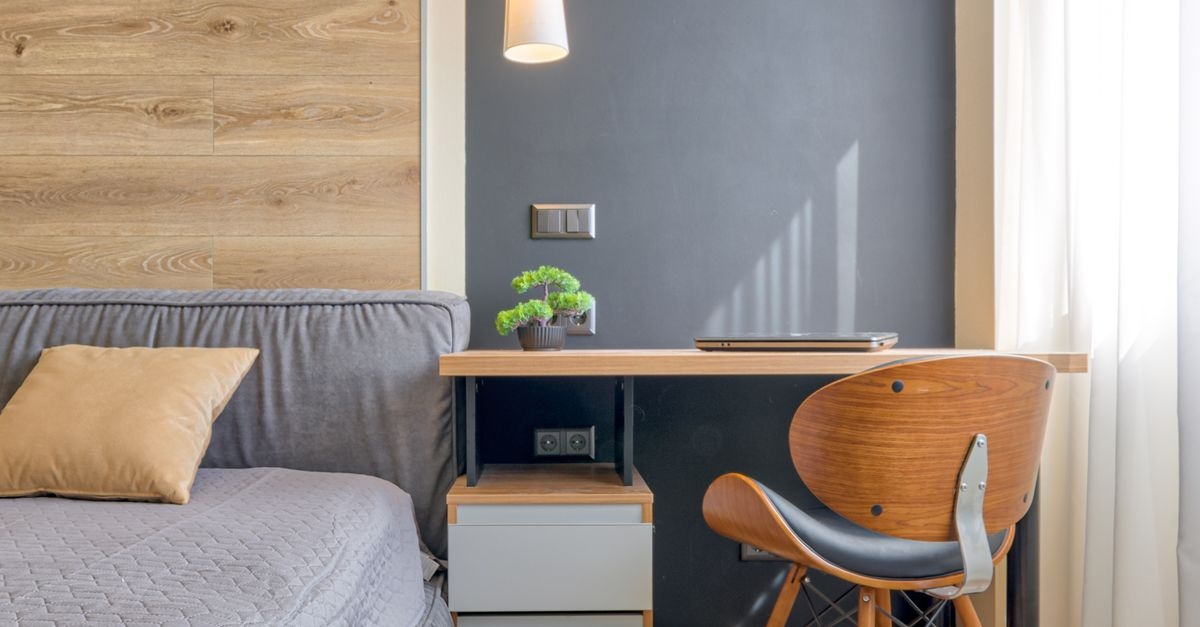
Your bedroom can be both a sanctuary for rest and a sleek, efficient workstation—without sacrificing style or square footage. In this comprehensive guide, you will learn how to design a bedroom home office that pairs serenity with output, merging the softness of sleep with the sharpness of spreadsheets. From smart zoning and light layering to all-star, space-saving furniture, the strategies below will help you carve out a productive corner that looks intentional and feels restorative.
The Case for a Hybrid Bedroom Office
Converting part of a bedroom into a home office is a practical response to modern living. Whether you are dealing with limited space, a studio layout, or simply prefer to keep work supplies tucked away, a well-planned hybrid room preserves sleep quality while supporting a focused workflow. The key is to treat the room as two zones—rest and work—then design the transitions between them with intention. Done right, you will enjoy more privacy for calls, faster start-up routines, and a visually calming environment that keeps clutter in check.
- Privacy on demand: A bedroom offers a door you can close for calls, deep work, or after-hours quiet.
- Space efficiency: Dual-purpose furniture and vertical storage maximize every inch.
- Well-being: Good lighting, acoustics, and a healthy color palette help you stay focused by day and wind down at night.
Core Design Principles for Bedroom-Office Harmony
1) Define clear zones
Visual and physical separators reduce mental bleed between work and rest. Start by mapping the room into two distinct areas. Even a small bedroom benefits from subtle zoning cues.
- Rugs: One rug under the bed, a different texture or runner under the desk to mark your workspace.
- Room dividers: Folding screens, open shelving, or curtains on a ceiling track create instant boundaries.
- Furniture orientation: Position the desk to face a wall or window so the bed is not in your direct line of sight during work.
- Color blocking: Paint the desk wall a focus color while keeping the bed wall serene to reinforce the switch from task to rest.
2) Put ergonomics first
A compact footprint does not mean compromising comfort. Build a workstation that protects your posture, eyes, and joints.
- Chair: Choose a slimline ergonomic chair with lumbar support and adjustable seat height. For tiny rooms, consider a kneeling chair or a stool with a foot ring, then store it under the desk.
- Desk height: Target approximately 73–76 cm. Wrists should float straight; forearms parallel to the floor.
- Monitor position: Top of screen at or slightly below eye level and about an arm’s length away. Use a monitor arm to reclaim desk depth.
- Keyboard and mouse: Use a compact, low-profile set. Add a footrest if feet don’t rest flat.
3) Light for focus and rest
Layered lighting supports work precision without disrupting sleep. Focus on task, ambient, and accent lighting.
- Task lighting: An adjustable desk lamp with glare control and warm-to-cool adjustment for different tasks.
- Ambient: Ceiling or wall lights with dimmers to soften the room in the evening.
- Accent: LED strips behind shelves or the headboard for a gentle glow that doesn’t spike alertness late at night.
- Glare control: Position monitors perpendicular to windows; add sheer shades for diffuse daylight.
4) Tame acoustics
Good sound matters for both meetings and sleep. You can reduce echo and noise transfer with soft surfaces and smart placement.
- Textiles: Rugs, heavy curtains, and upholstered headboards absorb reflections.
- Panels: Fabric-wrapped acoustic panels or cork boards double as pin-up space.
- Seals and sweeps: Door seals and a simple door sweep help block hallway noise.
- White noise: A small sound machine masks disruptions when sleeping or working.
5) Healthy air, healthy brain
Ventilation and air quality are productivity multipliers. Keep the room fresh, at a stable, comfortable temperature.
- Air movement: A quiet fan or ceiling fan keeps you alert without chilling the space.
- Plants: Low-maintenance varieties like snake plant or pothos add biophilic calm and visual softness.
- Declutter surfaces: Clear dust traps; keep cables off the floor for easier cleaning.
6) Style that soothes and motivates
Choose a cohesive palette and materials to unify zones. Calm neutrals with one or two energized accents strike a balanced mood.
- Palette: Soft taupe, warm white, or muted sage for bed walls; a slightly deeper tone at the desk to anchor focus.
- Materials: Wood grain and matte finishes reduce glare and visual noise.
- Design languages: Minimal, Japandi, or light industrial pair well with compact, multifunctional furniture.
Space-Saving Layouts That Actually Work
Small and square bedroom
Balance is everything. Keep larger pieces along opposite walls and maintain circulation around the bed’s foot.
- Corner desk: A triangular desk opens up central floor area.
- Floating shelves: Mount above the desk to lift storage off the floor.
- Under-bed storage: Drawers for tech and files you don’t need daily.
- Mirrors: A tall mirror opposite a window bounces light deeper into the room.
Narrow room or long rectangle
Work with the length. Create a corridor of function along one wall.
- Wall-mounted desk: A shallow, fold-down desk preserves walking space.
- Pegboard rail: Moveable hooks and shelves adapt as your storage evolves.
- Vertical charging station: A wall-mounted power strip with cable raceways ends cord clutter.
Studio or micro-apartment
When the bedroom is the living room, disguise the office fast.
- Murphy bed with desk: The desk stays level as the bed folds down—no need to clear everything.
- Cloffice: Convert a closet into an office with a built-in surface and doors that hide work at night.
- Room dividers: Open shelving doubles as display and partition.
Guest room that doubles as office
Train the room to flex on command.
- Daybed or sofa bed: Looks loungey by day, sleeps guests by night.
- Folding desk: A drop-leaf table opens for projects, collapses to a slim console.
- Rolling cart: Holds peripherals, tucks into a closet when guests arrive.
Shared room for two
Define lanes so you do not collide.
- Two compact stations: Back-to-back desks or parallel narrow desks on opposite walls.
- Headphones etiquette: Noise-cancelling headsets and a shared calendar to block quiet hours.
- Under-desk drawers: One set per person for tidy boundaries.
Renters and no-drill solutions
Protect walls while still getting structure.
- Tension rods: Hang curtains as dividers without screws.
- Freestanding screens and shelving: Mobile and landlord-friendly.
- Adhesive cable raceways: Clean removal keeps cords organized.
Furniture That Works Double Duty
In a bedroom office, the best pieces earn their keep in more than one way. Prioritize compact forms that morph with your day.
- Murphy bed + desk: Ultimate transformer for micro rooms.
- Loft bed + workstation: Raises sleep up high, creates a command center below.
- Daybed with trundle: Seating by day; two sleepers at night.
- Storage headboard: Tuck notebooks and chargers out of sight.
- Ottoman with storage: Extra seat, footrest, and stash spot.
- Nesting side tables: Pull out for a printer or snacks, slide in to save space.
- Rolling file pedestal: Locks important papers and wheels out of view.
Choosing the right desk
Pick a desk that fits your space, work style, and storage needs. Narrow is your friend.
- Ladder desk: Built-in shelves minimize extra furniture.
- Drop-leaf or folding: Opens wide for projects; folds slim for bedtime.
- Slim standing desk: A small footprint sit-stand model paired with a compact anti-fatigue mat.
- Wall-mounted console: Leaves floor clear and visually light.
The compact ergonomic chair guide
Search for breathable mesh, adjustable height, and a narrow base. If storage is tight, consider a task chair that slides fully under the desk or a stool that perches at counter height.
- Seat depth: Should allow 2–3 fingers between the seat and the back of your knees.
- Arms: Flip-up arms save space; armless designs slide closer to the desk.
- Casters: Soft casters protect bedroom floors and rugs.
Storage that keeps you sane
Clutter is the fastest route to poor focus and restless sleep. Design storage to hide work when the day ends.
- Vertical first: Floating shelves or a tall bookcase with doors for visual calm.
- Under-bed: Low rolling bins for archived files and peripherals.
- Closet conversion: Add a modular system with labeled bins for cables, paper, and tools.
- Desktop discipline: A charging tray and a document inbox keep surfaces clear.
Cable management made invisible
Wrangled cords make a small room feel bigger and cleaner. Conceal and label to speed up troubleshooting.
- Under-desk tray: Mount a cable basket to hold power strips and adapters.
- Velcro ties and sleeves: Bundle by device; color-code if you can.
- Adhesive raceways: Route wires along baseboards or the back edge of furniture.
- Surge protection: Use a slim protector with spaced outlets for bulky plugs.
Lighting, Tech, and Acoustics for Peak Productivity
Task lighting that respects circadian rhythms
Cooler light helps you focus during the day; warmer light eases you into evening. Choose lamps with adjustable color and brightness. Position light to the side of your dominant hand to avoid casting shadows across your work.
Video-call ready without visual clutter
Plan a flattering, neutral backdrop and simple staging for professional calls.
- Backdrop basics: A tidy shelf, art with soft geometry, and plants.
- Key light: A soft lamp facing you at eye level reduces harsh shadows.
- Bed out of frame: Angle the camera so the bed isn’t the star of the show.
Essential tech for a compact workstation
- USB-C dock: One cable to connect monitor, power, and peripherals keeps setup minimal.
- Laptop stand: Raises the screen to eye level; pair with a compact keyboard and mouse.
- Monitor arm: Frees desk space and allows perfect alignment.
- Mesh Wi-Fi node: Place a node in or near the bedroom to stabilize calls.
- Smart plugs and scenes: Create a Work scene and a Sleep scene to shift lights and devices with one tap.
Noise and focus tools
- ANC headphones: Essential for shared spaces and apartment living.
- Timer method: Work in focused intervals; use a visual timer you can spot from the corner of your eye.
- Do Not Disturb habits: Door sign or a light that signals when you’re on a call.
Sleep Hygiene by Design
The biggest challenge of combining a bedroom and an office is protecting your rest. Build nightly transitions into the room’s design so you do not rely on willpower alone.
Shut-down ritual, made easy
- Close-and-hide: Choose a desk with doors or a curtain you can draw across the office nook.
- End-of-day tray: Corral mouse, notebook, and pens in a tray you slide into a drawer.
- Scene change: A single-button command dims lights, powers down chargers, and turns on a warm bedside lamp.
Light discipline at night
- Blackout curtains: Improve sleep quality if your office gear has indicator LEDs.
- Warm bedside lighting: Avoid cool light an hour before bed.
- Screen hygiene: Night modes and blue-light reduction in the evening.
Visual calm strategies
- Out-of-sight storage: Closed cabinets beat open shelves in small rooms.
- Wire discipline: Keep cables behind the desk and off the nightstand.
- Palette continuity: Repeat two or three materials throughout to minimize visual noise.
Budget, Planning, and DIY
Assess and measure first
Before you buy, sketch a quick plan. Measure wall lengths, window locations, outlet positions, and door swing. Note natural light paths and hot or cold spots. Decide where you want to see the desk from the bed—and where you don’t.
Budget tiers: must-haves, nice-to-haves, splurges
- Must-haves: Compact desk, ergonomic chair, task light, surge protector, cable tray.
- Nice-to-haves: Monitor arm, rolling pedestal, blackout curtains, acoustic panel.
- Splurges: Murphy bed with desk, sit-stand desk, mesh Wi-Fi node, custom closet system.
Weekend DIY projects
- Paint a focus wall: Darker tone behind the desk increases depth and hides minor clutter.
- Install a pegboard: Pegs and shelves shape-shift with your tools.
- LED backlighting: Soft strips under shelves or headboard for a calming halo.
- Closet office: Add a countertop, a light, and a power strip—then close the doors at night.
Secondhand and sustainable
- Buy used: Quality office chairs and solid-wood desks often cost far less secondhand.
- Upcycle: A vintage console becomes a shallow desk with cable grommets.
- Low-VOC finishes: Keep indoor air fresher with safer paints and sealants.
Styling That Calms and Inspires
Balance and visual rhythm
Create balance by pairing one stronger focal point with quieter surroundings. If the headboard is textured, keep the desk clean-lined. Use repetition—two similar lamps or matching frames—to make the eye rest.
Textiles and tactile comfort
- Rug zoning: A soft rug under the bed and a flat-weave under the chair for easy rolling.
- Layered bedding: Breathable, natural fibers to help sleep quality.
- Desk mat: Adds comfort and protects the surface.
Greenery and personal touches
- Plants: Snake plant for low light; ZZ plant for resilience.
- Art: Keep it uplifting but not visually chaotic. Limit your palette.
- Memory shelf: Reserve a single shelf for souvenirs to avoid spreading visual noise.
Sample Layout Recipes
10 x 12 ft primary bedroom
- Bed wall: Queen bed centered with nightstands; wall sconces free up surface space.
- Desk zone: 48-inch desk under the window with a monitor arm; floating shelves above.
- Divider: Open bookshelf perpendicular to the desk edge creates a subtle partition.
- Storage: Rolling file pedestal tucked under desk; under-bed drawers for archives.
8 x 10 ft small bedroom
- Bed: Daybed along the long wall to reclaim floor area.
- Work: Ladder desk opposite the daybed; chair stows underneath.
- Lighting: Clip-on lamp for the desk; a floor lamp behind the daybed.
- Closet: Over-door organizer for cables and peripherals.
Attic with sloped ceilings
- Desk: Place the desk on the tallest wall to allow a proper monitor height.
- Storage: Low dressers or credenzas under the slopes to maximize awkward nooks.
- Acoustics: Extra textiles and a dense rug to quiet echoes from hard roof surfaces.
Step-by-Step Checklist
How to design a bedroom home office
- 1. Set your intent: Decide primary work tasks, hours, and privacy needs.
- 2. Measure: Map walls, windows, outlets, and door swings. Note glare sources.
- 3. Zone: Choose desk location and how you will separate it from the bed (rug, screen, color block).
- 4. Select furniture: Pick a compact desk, ergonomic chair, and one dual-purpose piece.
- 5. Plan storage: Floating shelves, a rolling cart, and under-bed drawers for overflow.
- 6. Cable and power: Install a surge protector, under-desk tray, and adhesive raceways.
- 7. Light layers: Task lamp for focus, ambient dimmers for wind-down.
- 8. Style simply: Tight color palette; repeat materials for cohesion.
- 9. Sleep hygiene: Build a shut-down ritual and hide work at night.
- 10. Test and tweak: Adjust chair height, monitor distance, and lighting angles over a week.
Common Mistakes and Quick Fixes
- Mistake: Desk too deep for the room. Fix: Switch to a 40–50 cm wall-mounted desk or a ladder desk.
- Mistake: Persistent screen glare. Fix: Rotate the desk 90 degrees to windows; add sheer roller shades.
- Mistake: Cable spaghetti. Fix: Use an under-desk basket, label ends, and route along furniture edges.
- Mistake: Chair that hurts after 30 minutes. Fix: Prioritize a supportive chair and footrest; reduce armrest width.
- Mistake: No boundary between work and sleep. Fix: Add a folding screen or curtain and a nightly close-down routine.
- Mistake: Over-decorating every surface. Fix: Leave negative space; group decor in odd-numbered clusters.
FAQ: Bedroom Office Basics
Where should I place the desk relative to the bed?
Ideally, position the desk so you do not face the bed while working. Face a window for daylight or a wall with inspiring art. Keep at least 60–90 cm of clearance for chair movement.
Can I use a standing desk in a small bedroom?
Yes. Choose a narrow sit-stand model or add a standing converter to a compact desk. Manage cables with a coiled sleeve to handle height changes.
How do I cheaply soundproof for calls?
Add a dense rug, heavy curtains, and a few fabric panels. Fill bookcases with books to absorb sound. Use a door sweep and weatherstripping to seal gaps.
What colors work best?
Choose a restful base—warm white, greige, or muted sage—and a deeper accent behind the desk. Limit bright colors to small decor moments to avoid bedtime overstimulation.
How do I hide work clutter at night?
Use a desk with doors, a rolling cart that slides into a closet, or a curtain to cover shelves. Keep a tray for loose items and a drawer for electronics.
Putting It All Together
Designing a compact, stylish, and productive bedroom office is about intention, not excess. Start with zoning, then layer in ergonomic furniture, thoughtful lighting, and easy-to-hide storage. Prioritize a nightly close-down ritual to guard your sleep. Whether you embrace a murphy bed with a built-in desk, carve out a cloffice behind doors, or float a slim workstation under a window, you now have a roadmap for how to design a bedroom home office that feels balanced, looks beautiful, and works as hard as you do.
As your routine evolves, keep refining. Shift the desk angle to kill glare, swap bulbs to ease evening wind-down, or add a monitor arm to reclaim space. Your bedroom office is a living system—tune it for today, and it will support tomorrow’s focus and rest in equal measure.