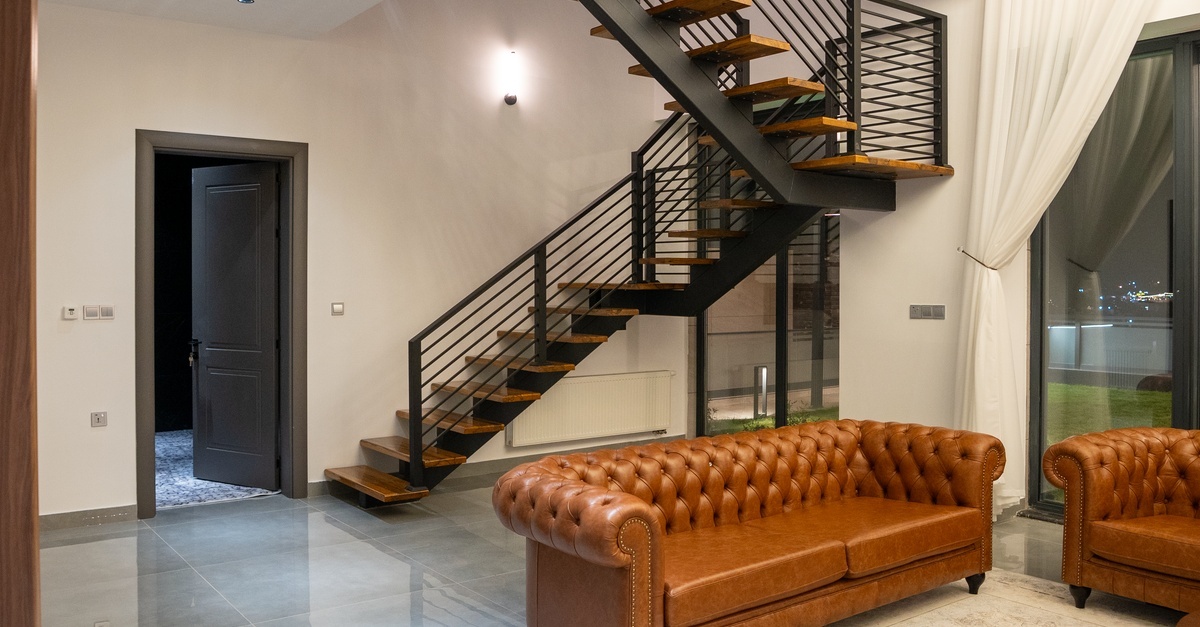
Few pieces carry the gravitas of a leather Chesterfield sofa. With its deep tufting, rolled arms, and distinctive silhouette, it can look right at home in a paneled library or a minimalist loft. The secret is not forcing the room into one era, but letting the sofa’s character bridge old and new. If you have ever typed how to design a living room with a leather chesterfield sofa into a search bar, this is your comprehensive, step-by-step answer. From the first paint swatch to the final throw pillow, here is how to transform a single statement piece into a cohesive, personal space that evolves from classic to contemporary with ease.
The enduring appeal of the leather Chesterfield
The Chesterfield is more than a sofa; it is a design shorthand for confidence and craft. Its iconic features do functional work: the deep tufting creates breathability so leather feels comfortable year-round; the rolled arms provide ergonomic support; and the low back line keeps sightlines open in today’s open-plan homes. Because leather develops a patina, the sofa acquires character instead of wear, aging in a way that flat fabrics rarely do.
Even better, this silhouette is remarkably versatile. Pair it with antique Persian rugs and brass floor lamps for a traditional library vibe, or with sculptural side tables and clean-lined sconces for a crisp, contemporary mood. The same sofa can span decades of taste with nothing more than a change of rug, art, or wall color.
Start with the sofa: size, leather, and color
A room built successfully around a leather Chesterfield begins with the right piece. Before the first paint chip comes out, confirm that the sofa’s scale, finish, and tone align with your architecture and lifestyle.
Scale and proportion
- Measure twice: Note wall length, door clearances, and traffic paths. Leave 36 inches for main walkways and at least 18 inches between coffee table and sofa front.
- Ceiling height matters: In rooms with low ceilings, choose a Chesterfield with a slightly slimmer arm or a lower back to prevent visual heaviness. Tall ceilings welcome deeper, more dramatic profiles.
- Seat depth and comfort: Classic Chesterfields can be deep. If you are petite or prefer upright lounging, seek a model with a slightly shallower seat or add supportive pillows.
- Configuration: Standard three-seaters are flexible; apartment sofas save space; a chaise or corner unit can define zones in an open-plan layout.
Leather type and finish
- Aniline leather: Butter-soft with visible natural grain and a rich patina over time. Most luxurious, but more sensitive to stains and sun.
- Semi-aniline: A protective topcoat adds durability while preserving much of the depth and character. A smart middle ground for families.
- Protected or corrected-grain: Highly durable and easier to clean. Slightly more uniform look; great for heavy use, rentals, or pet households.
- Color-fastness: Darker leathers hide scuffs; lighter tones show marks but brighten a space. Ask for swatches and test under your room’s lighting.
Color and undertones
- Classic browns: Cognac, saddle, and chestnut feel traditional yet adaptable. They pair with warm woods, brass, indigo textiles, and earthy palettes.
- Modern neutrals: Charcoal, ink, and deep olive skew contemporary and work beautifully with concrete, steel, or pale oak floors.
- Light leathers: Camel and tan feel fresh and Scandinavian when paired with bleached woods and oatmeal linens.
- Statement shades: Forest green or oxblood turn the sofa into a focal sculpture. Keep surrounding materials simple to avoid visual clutter.
Define your style spectrum: from classic to contemporary
Before choosing a rug or lamp, articulate the mood you want. The Chesterfield can lean heritage or forward-looking depending on the company it keeps.
Traditional heritage
- Warm woods: Mahogany, walnut, and antique oak introduce depth and history.
- Layered patterns: Persian or Heriz rugs, herringbone throws, and pinstripe pillows feel collected and timeless.
- Brass accents: Lacquered or unlacquered brass in lamps and frames warms leather’s natural sheen.
- Art curation: Oil portraits, landscapes, and gilt frames bring the library vibe.
Contemporary and minimal
- Clean silhouettes: Slim metal side tables, cantilever lamps, and low-profile media units create crisp lines.
- Monochrome palettes: Charcoal paint, blackened steel, and off-white rugs turn tufting into texture rather than ornament.
- Negative space: Fewer, larger pieces over many small ones make the sofa feel sculptural.
Transitional blend
- Balanced finishes: Mix warm wood with matte black; pair a vintage rug with a sleek marble coffee table.
- Tailored textiles: Linen drapes, textured bouclé pillows, and a leather tray strike a modern-classic balance.
- Updated classics: A traditional rug in a washed palette, or a heritage wingback reupholstered in a contemporary fabric.
If you are mapping out how to design a living room with a leather chesterfield sofa that still feels current, aim for a 60-30-10 mix: 60 percent contemporary lines, 30 percent classic references, and 10 percent playful or personal accents.
Plan the layout and make the sofa the anchor
Great rooms start with function. Decide how you will actually use the space: conversation, media, reading, or entertaining. Place the Chesterfield to serve that purpose, then layer in supporting pieces.
Conversation-centered layouts
- Face-to-face: Pair the sofa with two chairs opposite or a second sofa for symmetry. Keep 8 feet or less between seating to maintain easy conversation.
- L-shape: Flank the Chesterfield with an accent chair at a right angle and a generous coffee table to tie the zone together.
- Floating furniture: Pull seating off the walls to create intimacy and improve flow behind the group.
Open-plan zoning
- Back as a divider: Use the sofa’s low back to visually separate living and dining areas without blocking sightlines.
- Rug as a stage: Define the living zone with a rug that extends under all front legs and at least 8 to 12 inches around the coffee table.
- Console table: Place a narrow console behind the sofa for lamps and storage. It adds height variation and utility.
Small-space strategies
- Right-sized sofa: Try a 72 to 78 inch Chesterfield or an apartment-scaled version. Avoid oversized rolled arms that eat visual space.
- Leggy pieces: Side tables and accent chairs on visible legs reveal more floor, creating airiness.
- Glass or open-base coffee table: Maintains sightlines and lightness while showcasing a beautiful rug.
In compact rooms, a key move in how to design a living room with a leather chesterfield sofa is to minimize visual weight elsewhere: choose pendant lighting over bulky floor lamps and mount shelves instead of deep case goods.
Build a cohesive color palette
Leather color is your starting note. Build a palette that complements the sofa’s undertones, finishes, and your natural light.
Wall colors that flatter leather
- For cognac and saddle: Warm whites with a drop of yellow or red, muted sage, smoky blue-gray, and clay pinks keep leather glowing.
- For dark brown and oxblood: Stone, greige, and putty neutrals balance richness; deep navy or charcoal make the room moody and dramatic.
- For camel and tan: Soft taupe, pale oatmeal, and chalky whites enhance Scandinavian calm.
- For green or charcoal leather: Off-whites with a green cast, pale mushroom, or crisp gallery white push the look contemporary.
Ceilings and trim
- Tonal trim: Painting trim one step deeper than walls reads sophisticated without being busy.
- Dark ceilings: In tall rooms, a deep ceiling color can cozy the space and boost the Chesterfield’s drama.
- Paneling or beadboard: Adds classic architecture around a modern arrangement for a balanced look.
Layer materials: floors, rugs, and tables
The Chesterfield’s lush leather begs for contrasting textures. Mix hard and soft, rough and refined to avoid a one-note scheme.
Rug selection
- Size first: A too-small rug shrinks the room. Aim for at least the front legs of all seating on the rug, or wall-to-wall for maximal comfort.
- Pattern strategy: Vintage or overdyed patterns soften leather’s polish; geometric or tonal rugs skew modern.
- Material choice: Wool is resilient and soft; natural fiber like jute adds organic texture; performance blends are family- and pet-friendly.
Coffee and side tables
- Wood: Oak or walnut warms metal-heavy spaces; a live-edge slab injects organic movement.
- Stone: Marble or travertine elevates the room; pair with matte finishes to keep it grounded.
- Glass and metal: Sleek and contemporary; perfect when you want the sofa to star.
- Proportion: Coffee table height roughly equals seat height; length about two-thirds the sofa length for balance.
Complementary seating and storage
Supporting pieces should balance the Chesterfield’s visual weight while advancing your style direction.
Accent chairs that pair well
- Wingback chairs: A classic counterpoint; reupholster in linen or a bold modern fabric for a fresh twist.
- Mid-century lounge chairs: Wood frames and lean profiles introduce modernity without competing with tufting.
- Scandi silhouettes: Bouclé or textured wool on oak frames offer softness and contrast.
- Industrial metal: A single metal-framed chair brings edge while remaining airy.
Case goods and shelving
- Low media cabinets: Keep sightlines open; wood grain adds warmth under a black TV.
- Open shelving: Style with books, bowls, and art for personality. Mix vertical and horizontal stacks.
- Storage ottomans: Leather or fabric ottomans double as seating and stash throws and games.
Lighting that flatters leather
Lighting determines how leather reads: rich and dimensional or flat and shiny. Layer lighting types at different heights.
Ambient light
- Ceiling fixtures: Flush mounts in small rooms, or a chandelier in open plans. Choose warm color temperature bulbs around 2700K to 3000K.
- Dimmer switches: Essential for mood control and patina-friendly glow.
Task and accent light
- Floor lamps: Arc or pharmacy styles provide reading light without cluttering side tables.
- Table lamps: Add pools of light and break up the sofa’s horizontal lines.
- Picture lights and sconces: Highlight art and add architectural polish.
If you are exploring how to design a living room with a leather chesterfield sofa for evening entertaining, focus on layered lamps and restrained overhead light so leather glows rather than glares.
Textiles, pattern mixing, and window treatments
Textiles soften leather and steer the room’s personality. Use them to tune comfort, color, and style.
Pillows and throws
- Mix textures: Linen, bouclé, velvet, and chunky knits create tactile richness.
- Scale patterns: Combine small geometrics with large florals or broad stripes to avoid pattern conflict.
- Odd numbers: Groups of three or five pillows feel natural and considered.
- Contrast and cohesion: Echo wall or rug colors in at least one pillow to connect the palette.
Window treatments
- Linen drapery: Softens the room and frames the sofa without heaviness.
- Roman shades: Clean and tailored for contemporary looks.
- Layering: Combine sheers with heavier panels for light control and dimensionality.
Art, objects, and the final ten percent
Accessories should feel curated, not crowded. They finish the story the sofa begins.
Art selection and placement
- Scale: Large pieces calm tufting; galleries add energy. Center art at eye level or align a gallery’s midpoint with the sofa back.
- Subject: Abstract works push contemporary; black-and-white photography feels crisp; vintage landscapes skew classic.
- Frames: Mix frame finishes thoughtfully. Black, wood, and brass can coexist if repeated elsewhere in the room.
Objects and greenery
- Trays: Corral remotes and candles; leather on leather is luxe, but wood or stone adds contrast.
- Books: Use stacked books as both risers and personality anchors.
- Plants: A fiddle leaf fig or olive tree brings height and a living counterpoint to leather’s polish.
When considering how to design a living room with a leather chesterfield sofa that feels collected, prioritize fewer, larger objects and repeat materials to avoid visual noise.
Style recipes: Classic-to-contemporary pairings that work
Use these plug-and-play combinations to move your room along the spectrum without losing coherence.
Modern industrial
- Sofa: Dark brown or charcoal leather Chesterfield.
- Tables: Blackened steel base with reclaimed wood or concrete top.
- Rug: Flatweave geometric in charcoal and bone.
- Lighting: Matte black sconces, pharmacy floor lamp.
- Walls: Warm gray or soft white; exposed brick if available.
- Accent: A vintage factory stool and oversized abstract art.
Mid-century modern blend
- Sofa: Cognac leather Chesterfield to echo teak tones.
- Chairs: Low-slung wooden arms with neutral upholstery.
- Tables: Rounded walnut coffee table; brass pull-up table.
- Rug: Nubby wool in ivory or subtle grid.
- Lighting: Tripod floor lamp and saucer pendant.
- Art: Graphic prints and sunburst mirror.
Scandinavian light
- Sofa: Tan or camel Chesterfield.
- Palette: Whites, pale grays, and bleached oak.
- Textiles: Sheepskin throw, linen pillows in oatmeal.
- Tables: Simple oak bench-style coffee table.
- Greenery: Olive tree in a simple terracotta pot.
Bohemian eclectic
- Sofa: Deep green leather Chesterfield.
- Rug: Vintage kilim or colorful Persian.
- Chairs: Rattan or caned lounge chairs.
- Lighting: Brass floor lamp with pleated shade.
- Accessories: Collected ceramics, woven baskets, and layered throws.
Coastal refined
- Sofa: Light tan leather Chesterfield.
- Palette: Crisp white walls, navy accents, and natural fiber rug.
- Tables: Whitewashed wood or honed limestone.
- Art: Large-scale seascape photography.
Modern farmhouse
- Sofa: Saddle leather with charming patina.
- Rug: Striped cotton or vintage-style medallion.
- Tables: Turned-leg wood coffee table in medium oak.
- Lighting: Iron chandelier and linen-shaded table lamps.
Minimalist luxe
- Sofa: Charcoal leather, low back and tight seat.
- Palette: Tonal grays, black, and natural stone.
- Rug: Solid wool or silk-blend for quiet sheen.
- Tables: Thin-profile steel with honed marble.
Family- and pet-friendly planning
- Performance choices: Semi-aniline or protected leather resists spills and claws better than full aniline.
- Removable covers: Choose washable pillow covers and a performance rug.
- Rounded edges: Opt for rounded tables and avoid glass corners in rooms with small children.
- Zone toys: Baskets on a lower shelf of the console keep clutter contained.
- Sun management: Use UV-filtering window film to protect leather from fading.
These choices are central to how to design a living room with a leather chesterfield sofa that withstands real life without sacrificing style.
Budget and sourcing strategy
Allocate funds where they deliver the most impact and longevity.
Where to splurge
- The sofa: Quality leather and construction pay dividends in comfort and patina.
- Rug: Right size and texture anchor the room and save you from constant readjustment.
- Lighting: Good lamps and dimmers transform mood and functionality.
Where to save
- Side tables: Affordable vintage finds or simple designs can look elevated.
- Accessories: Rotate budget-friendly art prints and pillows seasonally.
- Shelving: Mix sturdy basics with curated objects for a high-low blend.
Shopping checklist
- Leather Chesterfield sized to room and lifestyle
- Rug large enough to ground the seating group
- Coffee table two-thirds sofa length
- Two accent chairs or one generous lounge chair
- Two to three lamps across different heights
- Window treatments for light control
- Art or mirrors scaled to wall
- Throw pillows and blankets in mixed textures
- Greenery and a tray for the coffee table
Care and maintenance for lasting beauty
- Routine cleaning: Dust weekly with a soft cloth; vacuum crevices with a brush attachment.
- Conditioning: Apply leather conditioner every 6 to 12 months depending on climate and use.
- Spill management: Blot, do not rub. Follow manufacturer guidance for your leather type.
- Heat and sun: Keep at least 18 inches from radiators and avoid direct, prolonged sun.
- Patina mindset: Embrace small marks as character; they are part of the sofa’s evolving story.
Seasonal refresh ideas
- Spring: Swap in flax linen pillows, add a striped throw, and introduce fresh greenery.
- Summer: Roll out a lighter flatweave rug, add coastal art prints, and use airy sheers.
- Autumn: Layer in wool pillows, a tartan throw, and amber glass accents.
- Winter: Deepen the palette with velvet pillows, a chunky knit, and warm brass lighting.
These easy changes show how to design a living room with a leather chesterfield sofa that evolves with the year without costly overhauls.
Common mistakes and how to fix them
- Rug too small: Upsize to at least the front legs of all seating on the rug to visually pull the room together.
- Too many heavy pieces: Counterbalance the sofa with light, leggy chairs and glass or slim tables.
- Flat lighting: Add a floor lamp and a table lamp, and install dimmers to restore depth.
- Clashing undertones: If walls feel off, repaint with a color that shares the leather’s warm or cool undertone.
- Over-accessorizing: Edit. Keep the coffee table to a tray, two stacks of books, and one sculptural object.
When stuck, revisit the core intent behind how to design a living room with a leather chesterfield sofa: honor the sofa’s texture, balance its weight, and let every supporting element earn its place.
Step-by-step plan for execution
- Confirm the sofa: Measure, select leather type and color, and order swatches.
- Choose the palette: Test three wall colors with your leather swatch in day and night light.
- Map the layout: Tape out furniture footprints; ensure traffic flow and conversation distance.
- Select the rug: Size to the seating group; choose pattern and pile based on style and lifestyle.
- Pick tables and storage: Balance materials and scale with the sofa.
- Layer lighting: Plan ambient, task, and accent fixtures; specify bulb temperatures.
- Add seating: Choose chairs that contrast the sofa’s mass and reinforce your style direction.
- Dress the windows: Install shades or drapes for light control and softness.
- Curate art and objects: Edit with intention; favor larger, fewer pieces.
- Style textiles: Mix textures and scale in pillows and throws; repeat palette notes.
- Live and adjust: After two weeks, reassess lighting angles, pillow fills, and traffic flow.
Conclusion: Classic soul, contemporary life
A leather Chesterfield sofa brings history, craft, and presence into your living room. With thoughtful choices in scale, palette, textures, and light, it can sit comfortably in a sleek loft or a cozy cottage. The key to mastering how to design a living room with a leather chesterfield sofa is balance: let the tufted icon be the anchor while you fine-tune everything else for the way you live today. When each supporting element has purpose and harmony, the result is a space that feels both collected and current, richly layered yet effortlessly livable.