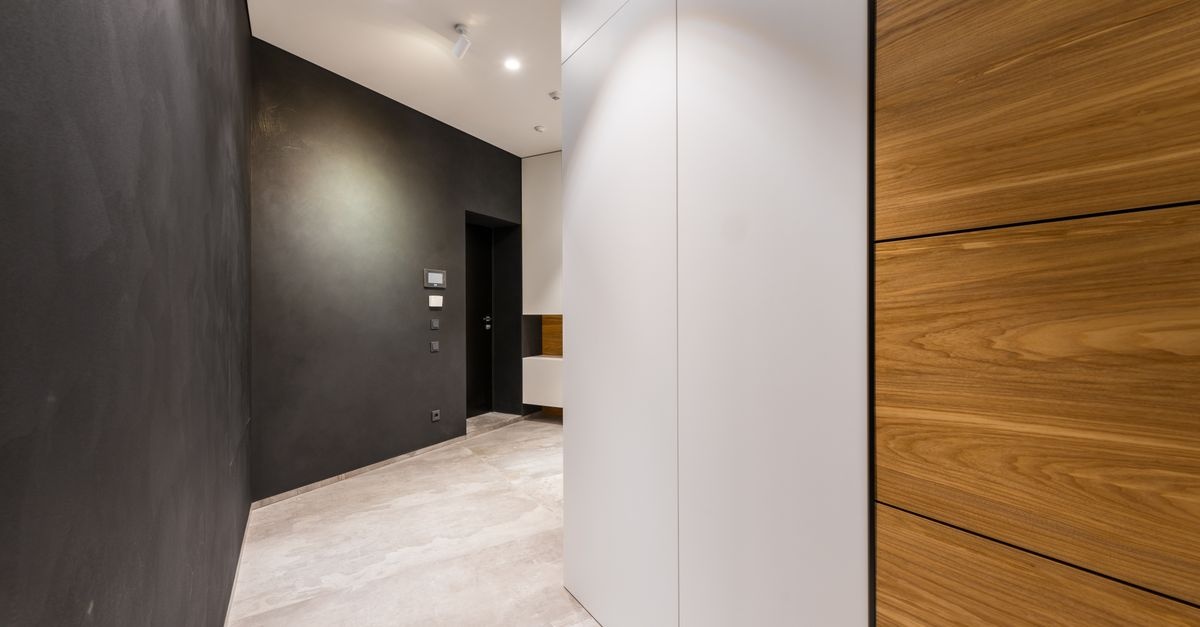
Wabi-Sabi Walls: Japanese Plaster Inspirations to Transform Your Interiors
There is a softness to walls that breathe. When light glides across a hand-troweled surface, a room exhales. That is the quiet magic of wabi-sabi: the beauty of imperfection, the poetry of time, and the calm of natural materials. If you are seeking Japanese plaster ideas for interior walls that balance modern minimalism with soul, this in-depth guide delivers inspiration, practical tips, and a clear roadmap to transform your spaces.
From the chalky luminosity of shikkui lime finishes to the earthy depth of tsuchikabe clay, Japanese plasters invite touch and slow the eye. They temper acoustics, moderate humidity, and offer a timeless, sustainable alternative to paint. Below, explore how to select materials, craft textures, layer tones, and harmonize light for interiors that feel grounded, serene, and beautifully lived in.
Wabi-Sabi, Simply Put
Wabi-sabi honors authenticity, transience, and nature. In interiors, that translates to soft edges, subtle tonal shifts, and tactile surfaces that grow richer with age. Plaster walls capture these values in a way that gypsum board and plastic sheens never can. The finish carries the hand of the maker, and small variations become a visual rhythm rather than flaws.
Consider this perspective as you explore Japanese plaster ideas for interior walls: aim for harmony instead of perfection, restraint instead of ornament, and materials that age elegantly instead of surfaces that chase eternal newness.
Meet the Materials: A Quick Primer
Japanese plaster is not one thing. It is a family of mineral and plant-based finishes, each with a distinct feel and performance profile. Understanding the core types will help you match them to room conditions and design goals.
Shikkui: Japanese Lime Plaster
Shikkui is a traditional lime plaster known for its creamy white to soft ivory hue and subtle glow. Formulated with slaked lime and natural binders such as seaweed or plant fibers, it carbonates over time, becoming harder and more luminous as it cures. Ideal for living spaces and bedrooms, shikkui yields a refined, velvety surface that reflects light with a gentle pearlescence.
- Look and feel: Smooth, matte to eggshell, with quiet movement
- Performance: High pH resists mold, breathable, durable once cured
- Best uses: Feature walls, ceilings, calm backdrops for art
Tsuchikabe: Earth or Clay Plaster
Tsuchikabe blends local clays with sand and natural fibers, resulting in an earthy, tactile presence. Color ranges from pale beige to warm ochres and muted browns, often with tiny flecks or straw inclusions. It is a natural match for serene Japandi rooms, reading nooks, and spaces where a grounded, cocooning mood is desired.
- Look and feel: Textural, matte, warm and grounding
- Performance: Excellent humidity buffering, acoustic softening
- Best uses: Bedrooms, living rooms, meditation corners
Keisodo: Diatomaceous Earth Plaster
Keisodo is made with diatomaceous earth, a porous, fossilized algae with microcavities that absorb and release moisture. This makes it a top choice for bathrooms, kitchens, and entryways where humidity and odor control matter. Its appearance is velvety and mineral-rich, often finished in pale neutrals or soft tinted tones.
- Look and feel: Velvet-matte, mineral, subtle color depth
- Performance: Exceptional moisture management, odor reduction
- Best uses: Powder rooms, kitchens, laundry areas
Accents: Sumi Ink Wash and Kakishibu
For expressive touches, a diluted sumi ink wash can deepen a plaster wall with charcoal nuances, especially as a gradient or cloud-like veil over lime. Kakishibu, a traditional persimmon tannin, can be used as a translucent sealer or stain on trim and built-ins near plastered surfaces, harmonizing wood and wall in warm, tea-like tones.
- Sumi wash: Charcoal to ink-gray, atmospheric clouding
- Kakishibu: Honeyed brown stain for wood accents and joinery
Why Choose Plaster: Beyond Aesthetics
Healthier Indoor Air
Mineral plasters are low in VOCs and, in the case of lime, naturally antimicrobial. They are vapor-permeable, allowing walls to dry more effectively after normal humidity swings. Many homeowners seeking Japanese plaster ideas for interior walls are initially drawn to the look, but they stay for the improved indoor air feel and fewer musty odors.
Moisture Moderation and Mold Resistance
Keisodo and clay can absorb and release moisture, buffering spikes in humidity. Shikkui’s high pH further deters mold growth on the surface. In bathrooms without splash-zone exposure, a properly detailed plaster wall can remain sound and hygienic for decades.
Acoustic and Thermal Comfort
Plaster adds mass and texture that scatter sound, reducing harsh reflections. The result is quieter conversations and less echo. Thicker clay coats also contribute minor thermal mass, evening out temperature swings and enhancing comfort.
Sustainability and Longevity
Natural plasters use abundant, often local mineral materials. Their durability reduces repainting cycles, and their patina gracefully evolves rather than degrades. When comparing finishes, a well-executed plaster can outlast multiple paint jobs, cutting waste in the long run.
Japanese Plaster Ideas for Interior Walls: Room by Room
Turn theory into action with this curated set of concepts. Each idea honors wabi-sabi principles while suiting modern needs.
Entryway or Genkan
- Soft white shikkui shell: Wrap the entry in a lime plaster shell to bounce daylight from the front door and lift ceiling height visually.
- Stone-skirting detail: Meet plaster with a slim, honed stone baseboard to handle scuffs gracefully.
- Umbra-toned niche: Carve a small alcove finished with a sumi-tinted wash for keys and small objects, adding depth on arrival.
Living Room
- Feature wall with layered tones: Apply a pale greige clay base, then a whisper-thin lime finish in a slightly lighter tone to create a whispering ombre when morning light pours in.
- Fireplace surround in shikkui: Use lime for a crisp yet soft hearth wall. It tolerates gentle warmth and frames the fire with quiet brightness.
- Textured frieze band: A hand-combed strip near the ceiling adds rhythm while keeping the main wall plane calm.
Bedroom
- Cocooning clay: Tsuchikabe in warm taupe encourages rest. Micro-variations eliminate the sterile feel of flat paint.
- Headboard niche: Trowel a shallow recess behind the bed, burnished to a satin glow and edged with gentle radius corners.
- Muted pastel whisper: A keisodo plaster with the faintest blush or sage reads neutral but softens the room’s geometry.
Kitchen
- Breathable backsplash alternative: In low-splash areas, keisodo keeps odors at bay and handles incidental moisture. Combine with a stone or tile panel directly behind the cooktop.
- Plaster-wrapped hood: A shikkui-wrapped range hood blends appliances into architecture.
- Contrasting plaster and wood: Pair pale lime walls with kakishibu-stained oak shelves for warm contrast.
Bathroom and Powder Room
- Keisodo sanctuary: Use diatomaceous earth plaster on upper walls for humidity buffering and a spa-like calm.
- Ink edge: Add a sumi wash near the vanity mirror to anchor the composition.
- Curved returns: Round internal corners to reduce hairline cracking and add a crafted softness.
Home Office
- Focus wall: A smooth lime plaster in off-white reduces screen glare and visual noise.
- Acoustic upgrade: Clay on the opposite wall improves sound for calls and recordings.
- Magnet-friendly option: Embed a thin ferrous substrate behind a shikkui finish to create a discreet pin and magnet wall without visual clutter.
Stairwell and Hallway
- Light play: A fine-burnished lime plaster amplifies top-light and makes narrow corridors feel airy.
- Handrail reveal: Integrate a plastered shadow gap or recess for a wood rail to keep lines pure.
- Wayfinding tone shift: Subtly deepen the hue by one half-tone at mid-landing for a poetic, practical cue.
Mix and match these Japanese plaster ideas for interior walls to suit your home’s light, function, and mood. Keep compositions restrained and let texture tell the story.
Color and Tone: A Wabi-Sabi Palette
Quiet Whites and Off-Whites
Shikkui excels here. Opt for soft chalk, bone, or ivory that prevents clinical glare. White is not one note in plaster; micro-variations read as depth, not busyness.
Earth Tones and Neutrals
Tsuchikabe shines in oatmeal, wheat, camel, and gentle mushroom. Use warmer tones where cozy intimacy is desired and cooler earths where clarity matters.
Charcoal and Ink Notes
A sumi wash layered over lime yields storm-sky grays with character. Use sparingly for accent planes or alcoves to ground a pale scheme without heaviness.
Muted Pastels
Keisodo accepts mineral tints beautifully: foggy blue, dusty lavender, tea green, and blush. Keep saturation low so walls remain backdrops, not statements.
- Tip: Sample three variations of the same tone on site. Plaster reads differently at morning, noon, and evening. Choose the one that stays calm across the day.
Texture Techniques That Catch the Light
Smooth Hand-Troweled
The classic approach for shikkui. Achieve a near-flat surface with gentle movement that becomes visible only at grazing light. Ideal when you want serenity and spaciousness.
Combed and Brushed
A shallow, linear rake or soft brush creates a whisper of pattern that breaks up long walls. Keep it delicate to avoid visual noise. Excellent for corridors and tall stairwells.
Straw-Flecked and Mineral Dusting
For tsuchikabe, fine straw or mica-spark mineral dusting adds rustic elegance. Use sparingly; the goal is subtlety, not novelty.
Micro-Veneer and Burnish
Advanced applicators layer a thin veneer of lime over clay, then polish with a steel trowel or agate burnisher for a satin shell that still breathes. This hybrid technique marries warmth and refinement.
- Golden rule: Texture should support function and light, not compete with them. Test a 1 meter square sample before committing.
Light: The Silent Collaborator
Natural Light
South and west light intensify texture. Specify smoother finishes in these exposures to avoid visual busyness. North light is softer; here, a slightly more textured clay can sing without overwhelming the eye.
Artificial Lighting
- Wall washers: Reveal movement in plaster with an even curtain of light.
- Sconces: Create pools of glow that read as warmth on matte surfaces.
- Warm temperatures: Aim for 2700 to 3000 K to flatter earth and lime tones.
Planning, Budget, and Timelines
Cost Ranges
Budgets vary by region and complexity. As a broad guide, expect a premium over standard paint. Clay can be cost-effective for simple textures; fine shikkui veneers and custom color layers sit higher. Add for mockups, repairs to substrates, and specialty corner details.
- Value insight: Longevity, reduced repainting, and elevated ambience often outweigh initial cost.
Lead Time and Schedule
Plastering is sequential. Plan for substrate prep, base coat curing, and finish application. Humidity and temperature affect drying. For a typical room, allocate extra days compared to paint to ensure proper set and carbonation, especially with lime.
Maintenance and Repair
Maintenance is low: dusting and occasional spot cleaning with a barely damp cloth. Minor abrasions can become part of the patina or be touch-up troweled by a skilled hand. In high-traffic zones, consider a breathable mineral sealer compatible with your system.
DIY or Hire a Pro
Some Japanese plaster ideas for interior walls are approachable for careful DIYers, especially small accent areas. For whole rooms, custom textures, or layered systems, a professional sakan craftsperson delivers consistency and durability.
Tools and Materials Checklist
- Japanese or stainless steel trowels in varied sizes
- Hawk or board for holding plaster
- Mixing paddle and variable-speed drill
- Joint and corner tools, flexible spatulas
- Masking, drop cloths, sanding screens for substrate only
- Primer or key coat compatible with mineral plasters
- Chosen plaster mix: shikkui, clay, or keisodo
- Clean buckets, spray bottle for misting, natural sponges
- Optional: burnishing stone, mica or straw for special effects
Step-by-Step Overview
- Assess the substrate: Ensure drywall or masonry is sound, flat, and free of contaminants.
- Prime or key: Use a mineral-friendly primer with tooth; avoid sealed or glossy bases.
- Base coat: Apply a leveling coat to fill small imperfections and establish a consistent plane.
- Intermediate coat: For clay or more robust builds, a second coat refines flatness and adds mass.
- Finish coat: Trowel thin and even. Control moisture by misting lightly if the wall pulls water too quickly.
- Detail edges: Round inside corners and define reveals while material is green but stable.
- Cure and protect: Allow full drying and, for lime, carbonation. Keep dust and handling to a minimum.
Safety Essentials
- Eye and skin protection: Lime is alkaline; wear gloves and goggles.
- Ventilation: Keep fresh air moving; avoid excessive heat or drafts that cause rapid drying.
- Dust control: Wet-sponge cleanup beats sanding whenever possible.
Common Mistakes to Avoid
- Overworking the surface: Excess troweling causes burn marks or pulls fines to the surface unevenly.
- Wrong primer: Non-breathable sealers trap moisture and can blister plaster.
- Skipping mockups: Lighting can betray unexpected texture. Always sample.
- Sharp corners: Hard ninety-degree corners are prone to chipping and look less soft.
Mini Case Studies: Wabi-Sabi in Practice
Urban Apartment Calm
A compact living room wrapped in shikkui traded echo for hushed conversation. Niche shelves finished with a sumi veil grounded a pale scheme. A single Japanese maple in a clay pot echoed the finishes with living color.
Japandi Family Home
Clay in warm oatmeal set the mood in a great room, while keisodo lined a mudroom to arrest odors. The palette flowed seamlessly, proof that Japanese plaster ideas for interior walls work across practical zones without sacrificing beauty.
Quiet Workspace
A home office paired an off-white lime wall opposite a clay acoustic panel. On video calls, the background read elegant and non-distracting, while the space itself felt calmer.
Frequently Asked Questions
Can plaster work in small homes or rentals
Yes. Consider a single feature wall or removable plaster panels attached to French cleats. Even a modest area changes the room’s feel dramatically.
How do these finishes compare to Venetian plaster
Venetian plaster often aims for a polished gloss with dramatic movement. Japanese approaches lean matte to eggshell, quieter, and more tactile. Both are mineral, but their aesthetics and application philosophies differ.
Is plaster durable around children and pets
Yes, with smart details. Add a robust baseboard or stone skirting in high-contact zones and choose slightly denser finishes. Minor scuffs become part of the patina and can be spot-repaired.
What about moisture-prone bathrooms
Use keisodo or lime above direct splash zones and detail ventilation well. In showers, choose tile or a waterproofed system; keep plaster for adjacent walls and ceilings.
Can I repaint over plaster later
It is possible with breathable mineral paints. However, many homeowners fall in love with the plaster’s depth and opt to maintain rather than cover it.
Styling the Space Around Plaster
- Furniture: Low, wood-framed seating and natural fibers echo the finish’s tactility.
- Textiles: Linen drapery and wool rugs soften acoustics and feel at home against matte walls.
- Art: Unframed canvases or simple float frames let the wall breathe. Avoid glass glare on glossy works.
- Plants: Ferns and maples complement mineral surfaces with organic silhouettes.
- Clutter discipline: Plaster rewards negative space; edit with intention.
A Practical Checklist to Get Started
- Define mood: serene white shell or warm earthen cocoon
- Choose material: shikkui, tsuchikabe, or keisodo based on room conditions
- Pick two textures maximum: one main, one accent
- Sample on site: three tones, two textures, test in real light
- Decide scope: feature wall, whole room, or multi-room flow
- Budget and schedule: include mockups and curing time
- Plan lighting: wall washers, sconces, and warm bulbs
- Detail edges: soft corners, reveals, and base transitions
- Select styling: wood tones, textiles, and a restrained art plan
- Maintenance plan: breathable sealer if needed, gentle cleaning methods
Putting It All Together
Plaster walls are not just a finish; they are a living surface that participates in the life of a room. They take light differently from hour to hour, they quiet noise without swallowing it, and they welcome the hand that made them. When you choose Japanese plaster ideas for interior walls, you are choosing calm over clutter, presence over perfection, and a surface that will only become more itself with time.
Start with a single wall if you are unsure, preferably where you can watch daylight move across it. Let the result teach you. Then build outward, crafting an interior that feels composed, humane, and deeply restful. In a world of hard edges and screen glare, wabi-sabi walls are a gentle antidote, reminding us to breathe, to look slowly, and to live with materials that care for us as much as we care for them.
Bonus Inspiration: Quick Combinations
- Calm Contrast: Off-white shikkui living room with a sumi-washed fireplace niche
- Warm Minimal: Tsuchikabe bedroom in mushroom with linen drapery and oak
- Fresh Utility: Keisodo mudroom, stone skirting, matte black hooks
- Light Study: Lime-plastered stairwell with wall washers and soft radius corners
Each pairing centers on restraint, breathability, and the touch of the hand. That is the enduring promise of wabi-sabi walls.