Calm, light, and effortless comfort define the Scandinavian aesthetic. When you add the right vessels to that foundation, rooms achieve texture, poetry, and a sense of ease. This in-depth guide explores how to choose and style decorative vases for Scandinavian style interiors so they feel quietly luxurious, practical, and deeply personal—without drifting from minimal, Nordic sensibilities.
What Makes Scandinavian Style So Calming?
Before choosing vases, it helps to understand the principles of Nordic design. Scandinavian interiors thrive on intention and restraint: a gentle palette, clean lines, tactile materials, and an abiding respect for nature. Rather than overwhelm a space, every object plays a role in composition, function, and atmosphere. In this context, vases are more than containers for flowers. They act as sculptural anchors, adding rhythm and softness to elemental architecture.
- Natural light and light woods: Pale oak, ash, and birch reflect daylight, brightening rooms and showcasing silhouettes.
- Neutral palette: Whites, warm grays, sand, taupe, and muted charcoals give visual rest and cohesion.
- Functional beauty: Objects earn their space by balancing form and function.
- Texture over ornament: Subtle grain, matte ceramics, and woven textiles offer depth without clutter.
- Hygge and lagom: Comfort and balance are core—to be felt rather than shouted.
Within this framework, decorative vases for Scandinavian style interiors gently guide the eye, punctuate surfaces, and carry seasonal botanicals that bring the outdoors in.
Why Vases Matter in Nordic Rooms
Consider a sunlit living room with linen drapery, a wool rug, and a pale oak coffee table. Add a hand-thrown stoneware vase with a single branch of eucalyptus: suddenly, the space breathes. Vases provide sculptural counterpoints to rectilinear furniture and offer an easy way to update color, texture, and height without disrupting the calm. They are the most adaptable, sustainable accessory in a minimalist toolkit.
- Sculptural presence: A vase’s silhouette adds movement and focal interest to shelves, consoles, and dining tables.
- Seasonal storytelling: Rotate branches, dried stems, and florals to sync with light and weather.
- Soft contrast: Round and organic forms balance straight lines and hard edges.
- Effortless updates: Swap stems or relocate a vase to refresh a room in minutes.
Used intentionally, decorative vases for Scandinavian style interiors deliver a sense of serenity while keeping decor light-handed and timeless.
Choosing Materials with Soul
Material is the first decision that shapes the mood. Nordic design privileges honest, tactile surfaces that develop character over time. Opt for pieces that feel grounded, crafted, and sincere.
Hand-Blown Glass
Glass celebrates light. In Scandinavian settings, choose clear, smoke, amber, or soft moss tones that echo nature and keep sightlines open. Hand-blown vessels introduce gentle irregularities that read as human and warm.
- Pros: Airy, reflective, versatile; pairs well with branches and single stems.
- Looks best: On windowsills, dining tables, and airy shelving where light can filter through.
- Tip: Mix heights—one tall cylinder with a low rounded bowl—and let negative space do the rest.
Ceramic and Stoneware
Stoneware and matte ceramics are quintessentially Scandi. Their powdery finishes and subtle textures add depth without shine. Look for neutral glazes—chalk, mushroom, bone—and tactile details like grooved ribs or sandy chamotte.
- Pros: Weighty, grounded, textural; emphasizes craft and authenticity.
- Looks best: On consoles, mantels, and coffee tables where texture can be appreciated up close.
- Tip: Curate two or three tones within the same color family to create harmony.
Wood Accents and Metal Touches
While full wooden vases may require liners for water, wooden accents (lids, bands, bases) bring warmth. Blackened steel or brushed brass collars can frame stems with quiet sophistication—especially in Japandi-leaning interiors that merge Scandinavian restraint with Japanese clarity.
- Pros: Adds warmth or a crisp line; blends with furniture and fixtures.
- Looks best: In entryways or offices where a subtle architectural detail shines.
Concrete, Terrazzo, and Paper Pulp
Contemporary Nordic rooms often invite softly raw materials. Lightweight paper pulp vases introduce sculptural volume, while concrete and terrazzo lend a refined, mineral quality when used sparingly.
- Pros: Modern, understated, and tactile.
- Tip: In minimal rooms, one boldly textured vase is enough—let it be the star.
Across all materials, the watchword is subtlety. Subdued finishes help decorative vases for Scandinavian style interiors blend seamlessly into calm spaces while still making an impact.
Shapes, Scale, and Silhouette
Form carries emotional weight. The right silhouette can soften a hard surface, frame a view, or lead the eye around a room. Mix forms thoughtfully to create rhythm without visual noise.
Bud and Bottle Vases
Small-scale vases serve as punctuation marks—a single wildflower on a bedside table or a sprig of herb on a kitchen shelf. Their simplicity suits Nordic restraint.
- Best for: Nightstands, windowsills, powder rooms, and narrow ledges.
- How to style: Use odd numbers—three small vessels with varied heights—and one delicate stem apiece.
Cylinders and Columns
Tall cylinders are architectural and elegant. They pair beautifully with long branches (olive, willow) and add vertical lift where ceilings are high.
- Best for: Fireplace hearths, floor corners, and dining rooms with pendant lights.
- How to style: Keep stems asymmetric; let one or two extend high, with negative space around.
Sculptural Forms
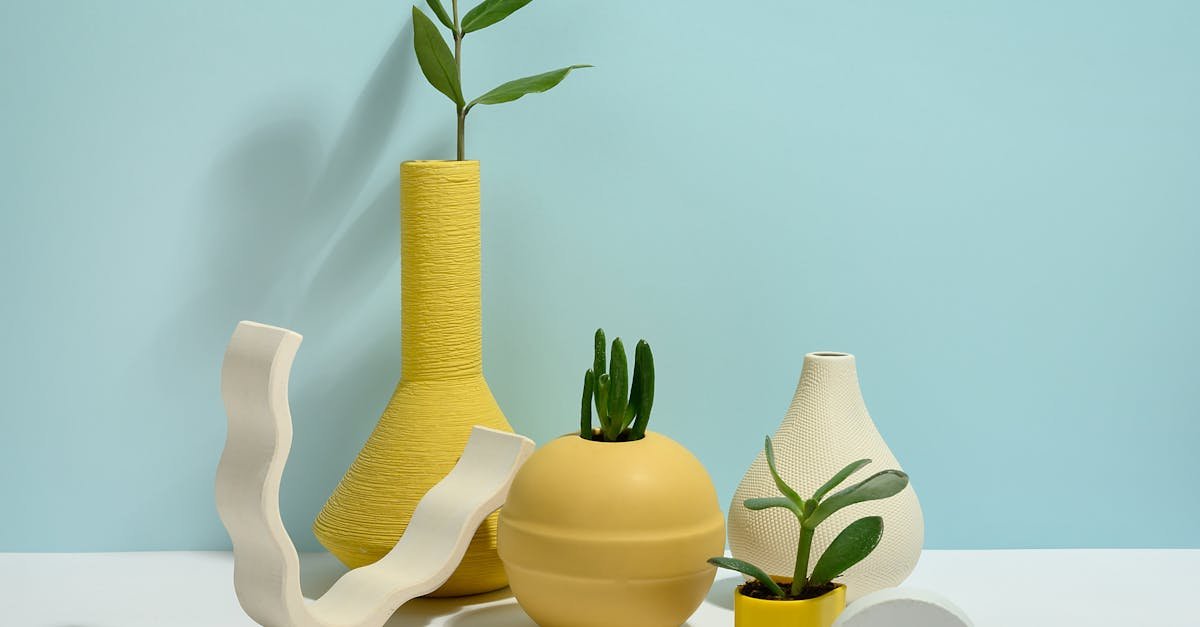
Donut shapes, U-forms, ring vases, and organically asymmetric pieces read as small-scale art. In Scandinavian-inspired rooms, choose matte, monochrome finishes that make the form the statement.
- Best for: Consoles and shelves where the silhouette can be appreciated front and center.
- How to style: Often best left empty or with a single expressive stem.
Floor Vases
Generous vessels bring scale to minimalist rooms. Place them by a sofa arm, near French doors, or to soften a column. A tall stoneware floor vase with a branch of birch adds Nordic poetry to quiet corners.
- Tip: Prioritize weight for stability; add pebbles if needed to balance tall branches.
Across scales, decorative vases for Scandinavian style interiors work best when silhouettes are clean, proportions are intentional, and groupings are restrained.
Color and Finish: The Quiet Power of Neutrals
Color in Scandi decor whispers. Choose tones that harmonize with wood species and textiles rather than compete for attention.
Core Palette
- Chalky whites and off-whites: Timeless and luminous.
- Greige and warm gray: The bridge between white walls and wood tones.
- Earthy neutrals: Clay, sand, mushroom, and oat feel grounded.
- Accents: Smoky green, muted blue, and charcoal for gentle contrast.
Texture and Glaze
- Matte finishes: Soft, powdery, and forgiving—ideal for day-to-day styling.
- Eggshell satin: A quiet sheen that reflects light without glare.
- Subtle speckle or grain: Adds visual interest at close range.
Finishes that feel touchable and authentic are key to decorative vases for Scandinavian style interiors. Avoid high-gloss brights; they can disrupt the calm, unless used sparingly as an intentional, modern counterpoint.
Styling Fundamentals: Balance, Simplicity, and Negative Space
Nordic styling rewards restraint. Think of your surfaces as landscapes with horizon lines, focal points, and breathing room.
Rule of Thirds and Odd Numbers
- Odd groupings: Arrange vases in threes or fives to avoid symmetry that feels static.
- Heights that step: Tall, medium, low—create a soft slope or triangular composition.
Negative Space as a Design Tool
- One hero, one support: Feature a sculptural vase, then add a smaller, quieter companion.
- Leave room to breathe: The empty space around your arrangement is part of the design.
Balancing Hard and Soft
- Contrast materials: Pair a matte stoneware vase with a smooth glass cylinder to add dimension.
- Echo textures: Relate vase finishes to wool throws, linen cushions, or jute rugs.
These guidelines help decorative vases for Scandinavian style interiors feel integrated rather than accessory-like. The goal is harmony, not abundance.
Placement Ideas Room by Room
Where you place a vase can change a room’s rhythm. Use these location-specific ideas to enhance flow and sightlines.
Living Room
- Coffee table: A low, rounded piece with a single branch; add a tray and a small bowl for cohesion.
- Console or media unit: A tall cylinder at one end and a smaller sculptural form at the other for balance.
- Floor corner: A weighty vase with long willow or olive branches to soften negative space.
Dining Room
- Table centerpiece: Keep arrangements low for conversation; use a shallow bowl vase with floating blooms or dried grasses.
- Sideboard: One significant vase with restrained stems; flank with a candle and a stack of linen napkins.
Kitchen
- Island or counter: A compact bud vase with herbs for scent and utility.
- Open shelves: Small ceramics in a monochrome palette, spaced to avoid clutter.
Bedroom
- Nightstand: Mini vase with a single seasonal stem, kept clear of lamp beams.
- Dresser: A medium stoneware piece with dried florals for set-and-forget ease.
Entryway
- Console: One statement vase greeting guests; pair with a catchall tray and a mirror above.
Bathroom
- Vanity: Tiny bottle vase with eucalyptus for a spa note; keep profiles slender.
- Niche or shelf: One sculptural glass piece to reflect light and elevate simplicity.
Home Office
- Desk corner: Petite bud vase to keep sightlines open; avoid large arrangements that compete with screens.
Across these spaces, decorative vases for Scandinavian style interiors act as quiet anchors—guiding movement without visual heaviness.
What to Put in Your Vase: Flowers, Branches, and Beyond
Botanicals bring life to minimalist rooms. Favor forms that echo the landscape and the season.
Fresh Stems
- Branches: Olive, eucalyptus, magnolia, birch—long, architectural lines suit tall cylinders.
- Florals: Ranunculus, anemones, tulips, hellebores; keep palettes soft and monochrome.
- Greenery: Ruscus or fern add texture without overwhelming color.
Dried and Preserved
- Pampas, bunny tails, and grasses: A natural fit for matte ceramics; earthy and long-lasting.
- Seed pods and branches: Minimal, sculptural, and ultra low maintenance.
Foraged Minimalism
- Local clippings: A single twig or leaf can feel luxurious when the vase is right.
- Ikebana-inspired: Embrace asymmetry and negative space with a kenzan in shallow vessels.
Simple botanical choices elevate decorative vases for Scandinavian style interiors—the aim is not fullness, but expression.
Seasonal Rotations for Effortless Freshness
Let the calendar guide your vases so rooms evolve organically.
- Spring: Tulips in clear glass, budding branches in tall cylinders.
- Summer: Wildflowers in bud vases; greenery in airy hand-blown glass.
- Autumn: Seeded eucalyptus and dried grasses in warm stoneware.
- Winter: Evergreen sprigs, bare birch branches, or a sculptural vase left intentionally empty.
This rotation keeps decorative vases for Scandinavian style interiors aligned with light, weather, and texture, sustaining calm all year.
Sustainability and Craft
Scandinavian ethos values responsible design and meaningful objects. Invest in quality and choose fewer, better pieces.
- Artisan-made: Support potters and glassblowers; embrace slight variations as signs of life.
- Natural and recycled materials: Recycled glass, low-impact clays, paper pulp, or vintage finds.
- Longevity: Neutral tones and timeless forms ensure years of relevance.
With mindful sourcing, decorative vases for Scandinavian style interiors contribute to a home that feels good ethically and aesthetically.
Buying Guide: How to Choose the Right Vase
Keep these criteria in mind as you shop for Nordic-friendly vessels.
- Scale: Relate height to nearby furniture and architecture. Tall rooms can handle tall cylinders; compact spaces need low, rounded pieces.
- Opening size: Narrow mouths suit single branches; wider rims need more stems to avoid looking sparse.
- Weight and stability: Especially for floor vases and long branches.
- Finish and tone: Choose textures and neutrals that tether to your palette and textiles.
- Versatility: Pieces that look beautiful both empty and filled are best.
When in doubt, start with one classic glass cylinder and one matte stoneware vase; together they cover most styling needs in decorative vases for Scandinavian style interiors.
Care and Maintenance
A well-kept vase extends the life of florals and the beauty of your display.
- Clean regularly: Warm water, mild soap, and a bottle brush for narrow necks; rice grains help dislodge residue.
- Protect surfaces: Use felt pads under heavy stoneware to avoid scratching wood.
- Water tips: Change every two days; trim stems diagonally and remove submerged leaves.
- Sunlight considerations: Preserve dried florals away from direct sun to prevent fading.
Common Styling Mistakes and How to Fix Them
- Too many pieces on one surface: Edit to a hero vase plus one supporting object; let negative space calm the scene.
- Glossy, loud colors: Swap for matte neutrals and textured finishes to regain cohesion.
- Underscaled items: In large rooms, choose taller cylinders or substantial stoneware to anchor sightlines.
- Overstuffed arrangements: In Nordic decor, less is more; remove stems until the composition breathes.
Small corrections ensure decorative vases for Scandinavian style interiors feel intentional and serene.
Quick Styling Formulas That Always Work
- Console trio: Tall glass cylinder + low matte bowl vase + small bud vase. Add a linen runner.
- Coffee table arc: Medium stoneware vase with a bent branch, a stack of two books, and a candle—arranged in a soft curve.
- Dining hush: Wide, shallow vessel with floating blooms; two taper candles offset to one side.
- Shelf serenity: One sculptural ring vase per shelf, alternating sides for rhythm.
These formulas keep decorative vases for Scandinavian style interiors simple and replicable across rooms.
Advanced Tips: Composition, Light, and Layering
For elevated styling, think like a photographer or florist.
- Directional light: Place glass where morning light can pass through; position matte ceramics where side light reveals texture.
- Rhythm: Repeat a shape or color three times across a room for a subtle visual beat.
- Layering planes: On a console, set a vase forward, a framed print behind, and a small object overlapping to create depth.
- Contrast scale: Pair one oversized vessel with a tiny bud vase to heighten tension and interest.
These techniques refine how decorative vases for Scandinavian style interiors converse with light and space.
Budget-Friendly and DIY Ideas
You do not need a large budget to achieve Nordic serenity.
- Thrifted finds: Seek simple silhouettes; repaint ceramic with mineral or lime-wash effect for matte subtlety.
- Recycled glass: Bottles make excellent bud vases; remove labels and use warm tones for cohesion.
- Paper pulp craft: Create sculptural forms with lightweight, eco-friendly material; seal for durability.
Thoughtful creativity turns simple pieces into decorative vases for Scandinavian style interiors that are personal and responsible.
Integrating With Japandi and Modern Nordic
Many homes blend Scandinavian minimalism with Japanese restraint. In such spaces, vases should be even more deliberate—fewer, larger gestures, neutral palettes, and ikebana-inspired arrangements.
- Japandi cues: Low, wide vessels; single-stem compositions; charcoal and bone hues.
- Modern Nordic: Soft geometry (donut and ring shapes) in powdery finishes, paired with smoky glass.
Used sparingly, these hybrids keep decorative vases for Scandinavian style interiors current yet timeless.
FAQ: Your Vase Questions Answered
How many vases should I display in a minimalist living room?
Start with one statement piece and one smaller companion. Add more only if the composition still feels calm and balanced.
What vase works best on a dining table?
A low vase or shallow bowl keeps sightlines open. Choose matte stoneware or clear glass and limit stems to maintain conversation flow.
Which botanicals feel most Scandi?
Branches, grasses, and monochrome florals. Think olive, eucalyptus, tulips, and simple field clippings.
Is glossy ceramic off-limits?
Not entirely. A soft eggshell or subtle sheen can work, especially if the color is muted and the shape is simple.
How do I avoid clutter on shelves?
Use negative space aggressively. Limit to one vase per shelf or alternate shelves; keep color tones consistent.
A Final Word: Serenity by Design
When you curate with intention, vases become more than vessels—they are sculptural pauses, seasonal storytellers, and anchors of calm. Choose honest materials, soft silhouettes, and a restrained palette. Place with care, let light do its work, and rotate botanicals as the year turns. With this approach, decorative vases for Scandinavian style interiors will quietly elevate every room, expressing Nordic serenity in forms that feel both artful and authentically you.