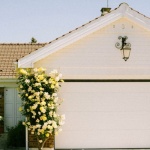
A pergola isn’t just a structure—it’s an invitation to linger. With the right ornamental climbers, you can transform open rafters into a living ceiling that modulates light, releases fragrance at dusk, and paints the garden with shifting hues through the year. In this comprehensive guide, you’ll find inspiring pergola ideas with ornamental climbing plants, plus the practical know-how to choose, plant, train, and maintain vines for long-lasting beauty and comfort.
Why Plant-Clad Pergolas Are a Garden Essential
Think of a pergola as a backbone for your living architecture. Vines bring the soft tissues—foliage, flowers, fruit, and fragrance—that make the space sensorially rich and seasonally dynamic. The best pergola concepts blend aesthetics with ecology and comfort.
- Microclimate magic: Dense foliage cuts glare, cools air via transpiration, and filters wind, creating a comfortable outdoor room in hot months.
- Year-round interest: Combine evergreen structure, spring blooms, summer fruit, and fall color for an ever-changing canopy.
- Wildlife welcome: Nectar-rich flowers support pollinators; berries and seedheads feed birds; tangled stems offer shelter.
- Privacy and screening: Strategic planting softens boundaries, muffles noise, and obscures neighboring views without hard walls.
- Scent therapy: Fragrant vines turn a dining terrace into a perfumed retreat, especially in the evening.
Start With Climate, Exposure, and Structure
Before diving into plant lists, match your site and pergola design to the climbers you love. Successful pergola ideas with ornamental climbing plants always begin with context.
Map Your Microclimate
- Hardiness: Check USDA or RHS zone. Bougainvillea thrives in warm zones (9–11), while hardy kiwi and clematis withstand cold.
- Sun hours: Most flowering vines crave 6+ hours of sun; a few (climbing hydrangea, some ivies) prefer partial shade.
- Wind and salt: Coastal and rooftop sites demand salt-tolerant, wind-firm species and sturdy fixings.
- Soil and drainage: Vines resent waterlogging. Aim for friable, compost-enriched soil with steady moisture.
Match Vines to Pergola Materials
- Timber (cedar, oak, larch): Versatile and vine-friendly. Seal cut ends; plan for weight of mature climbers.
- Steel or aluminum: Great for modern lines and lightweight twining vines (jasmine, clematis). Add cable grids for grip.
- Composite: Durable but heat-holding; favor heat-tolerant plants and provide shade cloth during establishment.
Climbing Mechanisms and Support
- Twining stems (wisteria, jasmine, honeysuckle): Wrap around posts and beams; guide with soft ties.
- Tendrils (grapes, passionflower, sweet pea): Need slim supports like wires or mesh.
- Adhesive pads/roots (climbing hydrangea, ivy): Self-clinging—avoid on delicate finishes; excellent for shaded posts.
- Ramblers/scramblers (climbing roses): Require horizontal training on cables or battens for prolific flowering.
Design Goals: Shade, Scent, and Year-Round Color
Define what you want most from your pergola canopy, then curate plant palettes to deliver those qualities continuously.
Cooling Shade Without Gloom
- Fast canopy: Grapevines (Vitis vinifera), hops (Humulus lupulus), and annuals like black-eyed Susan vine (Thunbergia alata) cloak beams quickly.
- Dappled light: Wisteria (use native American wisteria, W. frutescens, where Asian species are invasive) yields lacey shade and spring cascades.
- Heat-reflective foliage: Silvered or glaucous leaves (grapes, some passionflowers) moderate glare in hot climates.
Scent for Day and Night
- Daytime perfume: Honeysuckle (Lonicera periclymenum), roses (‘New Dawn’, ‘Eden’, ‘Iceberg Climbing’), Trachelospermum (star jasmine).
- Evening and night-scented: Jasmine (Jasminum officinale), night phlox (Zaluzianskya) in nearby pots, and some nicotianas to surround the space.
- Seasonal succession: Early clematis (Group 1) → spring wisteria/roses → summer jasmine/honeysuckle → autumn clematis (C. terniflora) for extended fragrance.
Color, Texture, and Seasonal Layers
- Spring: Clematis alpina, wisteria, rambling roses, akebia.
- Summer: Bougainvillea (warm zones), passionflower, star jasmine, trumpet vine (Campsis), sweet peas.
- Autumn: Virginia creeper (Parthenocissus) for fiery foliage, late clematis, grape harvest.
- Winter: Evergreen framework from Trachelospermum jasminoides, Clematis armandii, ivy alternatives like Fatshedera lizei; peeling bark and persistent hips from climber roses add interest.
Signature Climbers: Highlights and Best Uses
Mixing climbers with complementary habits and flowering windows is the secret to refined pergola ideas with ornamental climbing plants. Here’s a curated roster.
Wisteria (Choose Wisely)
Best for: Show-stopping spring racemes, dappled summer shade. In the southeastern U.S., avoid invasive Wisteria sinensis/W. floribunda; opt for W. frutescens (‘Amethyst Falls’). Provide robust beams and annual pruning.
Star Jasmine (Trachelospermum jasminoides)
Best for: Evergreen foliage and midsummer perfume; tidy growth for small pergolas and courtyards. Cold to about USDA 8 (with shelter).
Climbing Roses
Best for: Romantic blooms and hips. Train canes horizontally to stimulate flowering laterals. Pair with clematis for layered color.
Clematis (Groups 1–3)
- Group 1: Early bloomers; prune lightly after flowering.
- Group 2: Repeat bloom; prune to shape in late winter and after first flush.
- Group 3: Late bloomers; hard prune in late winter to strong buds.
Best for: Color versatility from pastel to jewel tones; mix groups for prolonged display.
Honeysuckle (Lonicera)
Best for: Pollinator magnet and twilight scent. Choose non-invasive forms like L. periclymenum ‘Graham Thomas’ or native L. sempervirens.
Passionflower (Passiflora caerulea and cultivars)
Best for: Exotic flowers, edible-ish fruit on some varieties, fast growth. Provide wire lattice for tendrils.
Climbing Hydrangea (Hydrangea anomala subsp. petiolaris)
Best for: Shade-tolerant coverage, self-clinging, lace-cap blooms; slow to establish but worth the wait.
Trumpet Vine and Crossvine (Campsis and Bignonia capreolata)
Best for: Hummingbird-attracting trumpets and hot colors. Provide rigorous pruning and stout support.
Bougainvillea
Best for: Mediterranean vibrancy where winters are mild; choose thornless varieties for tight spaces.
Evergreen Clematis (Clematis armandii)
Best for: Early spring bloom and glossy leaves; provide shelter from cold winds.
Edible Climbers
- Grapevines: Shade plus harvest; select seedless table grapes for family dining areas.
- Hardy Kiwi (Actinidia arguta): Vigorous; use one male for up to 6–8 females.
- Hops: Lightning-fast summer shade; cut to ground in winter.
Planting Design: Winning Combos and Layouts
Blend growth rates, bloom seasons, and foliage textures so your pergola matures gracefully and never looks flat. Below are design recipes to adapt to your space.
Recipe 1: Classic Romance
- Structure: Cedar pergola over dining area.
- Climbers: Climbing rose ‘New Dawn’ + Clematis ‘The President’ + star jasmine.
- Effect: Rose flush in late spring, clematis mid-summer purples, evergreen jasmine with summer perfume.
Recipe 2: Mediterranean Heat
- Structure: Whitewashed wood or steel; gravel underfoot.
- Climbers: Bougainvillea + grapevine + passionflower.
- Effect: High-saturation bracts, edible shade, sculptural flowers; drought-tolerant once established.
Recipe 3: Pollinator Promenade
- Structure: Walkway pergola with cable side panels.
- Climbers: Honeysuckle (native or non-invasive) + late clematis (C. viticella) + crossvine.
- Effect: Staggered nectar flow from spring to fall; hummingbirds, bees, and butterflies abound.
Recipe 4: Shade-Loving Serenity
- Structure: North-facing courtyard pergola.
- Climbers: Climbing hydrangea + Fatshedera + evergreen clematis.
- Effect: Layered greens, winter structure, and soft cream blooms in spring.
Recipe 5: Small-Space Minimalist
- Structure: Slim aluminum pergola with integrated planters.
- Climbers: Trachelospermum on wire grid + Group 3 clematis for seasonal color.
- Effect: Clean lines, evergreen base, easy annual pruning to reset vigor.
Structure and Hardware: Build for the Long Haul
Even the most artful pergola ideas with ornamental climbing plants will fail without durable supports and thoughtful details.
- Load planning: Mature wisteria or grape can add hundreds of pounds after rain. Engineer beams and posts accordingly.
- Fixings: Use stainless-steel eye bolts, turnbuckles, and 1/8–3/16 inch cables for tendrils and roses. Pre-drill; secure into framing, not just cladding.
- Ties: UV-stable soft ties or jute twine; avoid wire that girdles stems.
- Access: Include a maintenance bay or step-tread spacing to reach the canopy for pruning.
- Irrigation: Integrate drip lines at planter bases; add inline pressure regulators and filters.
Soil Prep, Planting, and Establishment
Healthy roots equal resilient vines. Invest early; reap shade and blooms for decades.
- Site prep: Loosen soil 18–24 inches deep; blend 2–3 inches of compost. Ensure drainage—raise beds if necessary.
- Planting depth: Set vines at the same depth as in pot. For clematis, bury 2–3 inches deeper to protect from wilt.
- Spacing: Allow 4–8 feet between vigorous vines; tighter for compact species.
- Mulch: 2–3 inches organic mulch, keeping stems clear by an inch to prevent rot.
- Watering-in: Slow, deep soak; maintain even moisture the first two seasons.
Training and Pruning: A Simple Calendar
Training sculpts growth; pruning preserves vigor and bloom. Here’s a streamlined schedule you can adapt by species.
Late Winter (Dormant)
- Wisteria: Cut back summer whips to 2–3 buds; maintain a framework of permanent arms.
- Clematis Group 3: Cut to 12–18 inches above ground.
- Roses: Remove dead/diseased wood; tie main canes near-horizontal to encourage flowering spurs.
After Flowering
- Group 1 clematis and climbing hydrangea: Lightly shape only after bloom.
- Star jasmine and honeysuckle: Shear and thin to maintain airflow.
Summer
- Guide new shoots: Spiral around posts; fan across crossbeams for even coverage.
- Deadhead roses/clematis: Extend flowering and tidy appearance.
Feeding, Water, and Mulch: Keep Growth Balanced
- Fertilizer: In spring, apply a balanced, slow-release organic feed. For roses, add a second light feed midsummer. Avoid high-nitrogen excess that fuels leaves at the expense of blooms.
- Watering: Deep, infrequent irrigation encourages deep roots; 1–1.5 inches per week in growing season, adjusted for rainfall.
- Mulch refresh: Top up annually to conserve moisture, moderate temperature, and feed soil life.
Pest, Disease, and Resilience
Healthy, well-sited vines rarely suffer. Still, prevention is the easiest medicine.
- Airflow: Space and thin growth to deter powdery mildew and blackspot.
- IPM basics: Hose off aphids, encourage ladybirds, use horticultural soap or oil as needed. Check for spider mites in heat.
- Sanitation: Remove diseased leaves; disinfect pruners between plants.
- Root vigor: Never let containers dry out fully in heat; add biochar or compost to improve moisture retention.
Year-Round Color Planner
Orchestrate overlapping interest so your pergola feels alive in every month.
- Late winter–early spring: Clematis armandii, early Group 1 clematis, akebia.
- Mid–late spring: Wisteria, ‘New Dawn’ roses, jasmine begins in warm zones.
- Summer: Star jasmine peak, clematis Group 2/3, passionflower, honeysuckle, bougainvillea.
- Late summer–fall: Clematis viticella, trumpet vine, grapes ripen, Virginia creeper reddens.
- Winter: Evergreen foliage (Trachelospermum, ivy alternatives), rose hips, sculptural stems; integrate pendant lights for sparkle.
Container and Rooftop Strategies
Even without in-ground beds, you can achieve lush coverage on balconies and terraces.
- Planter size: Minimum 24–30 inches diameter/volume for long-term vines; ensure robust drainage and saucers for rooftops.
- Soil mix: 60% high-quality potting mix, 20% compost, 20% mineral grit for drainage.
- Supports: Integrate cable trellis from planter to pergola beam; anchor securely.
- Plant picks: Star jasmine, Group 3 clematis, compact roses, passionflower, hops (annual cutback simplifies care).
- Irrigation: Automated drip with moisture sensors prevents stress in heat waves.
Style Guide: From Cottage to Contemporary
- Cottage garden: Rambling roses with clematis threading through; pea gravel and herb borders frame the scene.
- Modern minimal: A single species (Trachelospermum or grape) trained on grid cables; monochrome cushions and linear planters.
- Mediterranean: Bougainvillea and grapes over white pergola; terra-cotta pots with rosemary and thyme below.
- Tropical vibe: Passionflower, mandevilla (in warm zones), and philodendron accents; integrate misters for humidity.
- Woodland courtyard: Climbing hydrangea, evergreen clematis, ferns, and hostas for cool serenity.
Lighting, Furniture, and Finishing Touches
Great pergola ideas with ornamental climbing plants feel magical after dark and comfortable all day.
- Lighting: Low-glare LED pendants hung on chain drops; fairy lights woven along beams; downlights for dining tables.
- Furniture: Weatherproof cushions in plant-inspired palettes; bench planters that double as root zones.
- Accessories: Outdoor rugs, lanterns, and fragrant pot clusters (lavender, mint, night-scented stocks) around seating.
- Shade tuning: Add retractable shade cloth or bamboo screens beneath vines to fine-tune midday comfort.
Responsible Choices: Invasives, Pets, and Safety
- Avoid invasives: In many regions, English ivy and Asian wisteria spread aggressively. Choose native or non-invasive alternatives like American wisteria, Virginia creeper, and star jasmine.
- Pet safety: Wisteria seeds and some clematis are toxic if ingested. Situate dining areas thoughtfully and monitor pets.
- Weight and wind: Reinforce structures for storms; use quick-release ties to relieve sail pressure if needed.
Budget Roadmap
- Starter tier: DIY timber pergola kit + 2–3 vines (honeysuckle, Group 3 clematis, star jasmine). Add solar string lights.
- Mid-tier: Custom cedar structure, stainless cables, drip irrigation, curated mix of 4–6 climbers for succession color.
- Premium: Engineered steel/pergola with integrated planters, lighting circuits, audio, and mature specimen vines for instant impact.
Frequently Asked Questions
How many vines should I plant per pergola post?
Generally 1–2 vines per post. Mix a vigorous species (grape) with a moderate one (star jasmine) or pair different bloom windows. Avoid overcrowding; you can always add later.
Can I combine roses and clematis?
Yes—choose clematis with similar light and water needs. Thread clematis through rose canes; prune clematis by its group without hard-cutting the rose.
What if my site is windy?
Choose wind-firm vines (star jasmine, honeysuckle) and use cable grids. Prune to keep a lower profile in storm season.
Are there quick-cover annuals?
Try black-eyed Susan vine, morning glory, and sweet peas for first-year coverage while perennials establish.
How do I get wisteria to bloom?
Full sun, restrained feeding (avoid high nitrogen), and twice-yearly pruning—summer trim of whippy shoots, winter reduction to 2–3 buds—are key. Young plants may need a few years to mature.
Sample Planting Plans
Family Dining Pergola (12 x 12 ft, full sun)
- North post pair: Grape ‘Thompson Seedless’ + Star jasmine for evergreen winter cover.
- South post pair: Climbing rose ‘Eden’ + Clematis ‘Jackmanii’ for summer purple overlays.
- Accessories: Retractable shade cloth; dimmable pendant; herbs in raised planters.
Courtyard Privacy Pergola (10 x 8 ft, partial shade)
- East post: Climbing hydrangea for self-clinging coverage.
- West post: Clematis armandii for evergreen veil.
- Seasonal accent: Pots with sweet peas in spring, swapped to nicotiana for summer scent.
Maintenance Snapshot: A Year in Brief
- Winter: Structural checks; dormant pruning for Group 3 clematis, roses, and wisteria; mulch top-up.
- Spring: Slow-release feed; tie-in new growth; watch for aphids.
- Summer: Deep watering; deadhead; guide shoots along beams; light trims for shape.
- Autumn: Sanitation prune; harvest grapes/hops; inspect fixings; plant bulbs in nearby beds for spring synergy.
Regional Picks at a Glance
- Cool/temperate: Clematis (all groups), climbing roses, honeysuckle, hardy kiwi, hops.
- Mild coastal: Star jasmine, passionflower, grape, Clematis armandii, bougainvillea (sheltered).
- Hot/dry: Bougainvillea, grape, bignonia, drought-tolerant jasmines; mulch deeply and irrigate wisely.
- Shady woodland: Climbing hydrangea, evergreen clematis, Fatshedera, selected ivies where non-invasive.
Putting It All Together
When you combine thoughtful structure, climate-savvy plant choices, and a light but regular maintenance touch, your pergola becomes a living room in the truest sense—leafy, scented, and attuned to the seasons. Whether you lean modern or romantic, edible or ornamental, the most successful pergola ideas with ornamental climbing plants choreograph shade, fragrance, and color so they ebb and flow through the year without overwhelming the space.
Start with one anchor vine, layer in a partner for seasonal contrast, and add lighting and seating that encourage you to linger. In a year, you’ll have atmosphere; in three, a sanctuary. And each time the breeze moves your living canopy, you’ll be reminded why gardens are built not just with wood and stone—but with leaves, blooms, and the quiet company of nature.
Quick Planning Checklist
- Define goals: Shade density, fragrance windows, color palette, wildlife support.
- Audit site: Sun, wind, soil, irrigation options, structural strength.
- Select 2–4 climbers: Mix evergreen structure with seasonal showstoppers; avoid regional invasives.
- Install supports: Cables, eye bolts, and ties before planting.
- Prepare soil: Deeply amend; ensure drainage; set up drip.
- Plant and train: Space appropriately; guide early; prune by group.
- Layer ambiance: Lighting, seating, planters, and scent at human height.
With these principles, your pergola will do far more than cast shade—it will weave a tapestry of scent, texture, and color that evolves with the seasons and welcomes you outdoors, day and night.