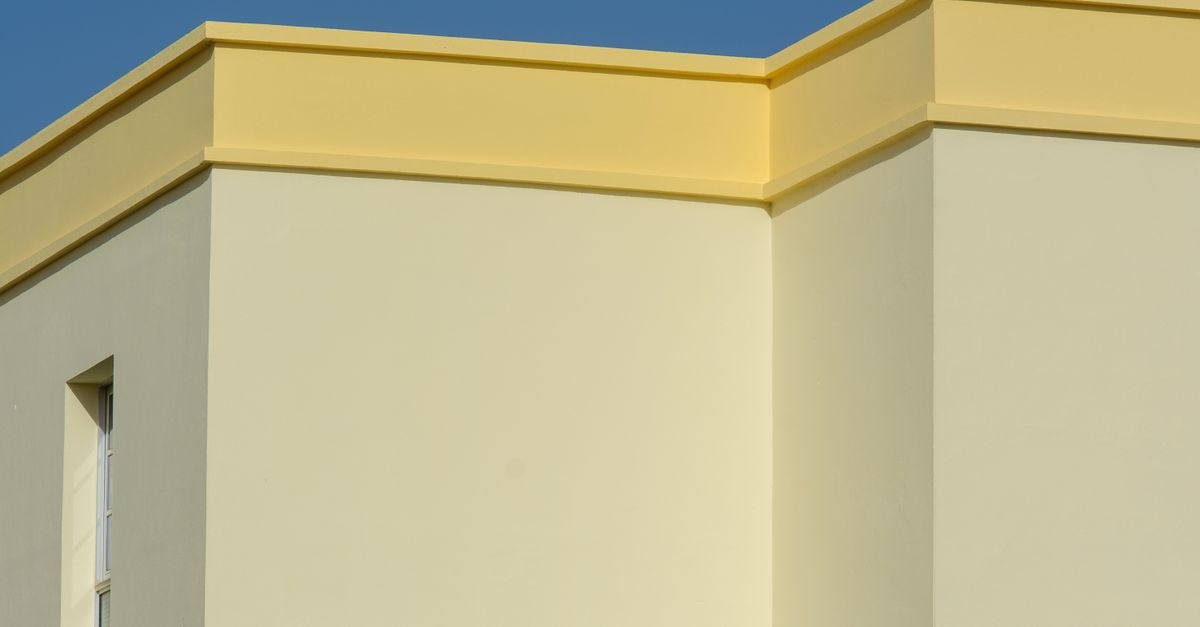
Facade Glow-Up: 17 Stunning Acrylic Render Looks to Elevate Your Home’s Curb Appeal
Your facade is the prologue to everything that happens inside your home. When you want durability, design flexibility, and low maintenance, acrylic-based finishes deliver an unbeatable blend of performance and style. In this in-depth guide, you will find practical Acrylic render ideas for house facades that marry modern aesthetics with real-world resilience—plus expert design moves, color strategies, and build tips to make each concept work on your unique property.
Below, explore 17 polished looks that cover smooth to textured finishes, subtle to statement colorways, and minimalist to character-rich styles. Whether you are renovating a heritage gem or building a contemporary dream, these ideas will help you plan a cohesive exterior finish that looks incredible and lasts.
Why Choose Acrylic Render for Exterior Finishes?
Acrylic-modified renders (sometimes called acrylic stucco or polymer-enhanced render) bond strongly to a wide range of substrates—including brick, block, concrete, fiber cement, and well-prepared painted surfaces—and offer superior flexibility compared to traditional cement-only mixes. That flexibility helps reduce cracking, while additives improve water resistance and UV stability.
- Durability: Crack-resistant and weather-tough for diverse climates.
- Design versatility: Accepts pigments, textures, trowel effects, and specialty aggregates.
- Speed: Faster curing and application options, including spray-applied systems.
- Compatibility: Performs well over insulation boards with mesh reinforcement.
- Low maintenance: Easy to wash, colorfast with UV-stable pigments, and patchable.
If you are collecting Acrylic render ideas for house facades, think beyond color: finish sheen, texture depth, shadow play, and detailing (reveals, trims, control joints) will shape the final look as much as hue selection.
Design Principles for a Standout Rendered Facade
- Balance and proportion: Use render to unify volumes and highlight strong geometry with reveals, parapets, and feature planes.
- Context matters: Consider streetscape, sunlight, landscape, and roof color before choosing the palette.
- Tactile contrast: Pair smooth planes with textured accents, or mix render with timber cladding and stone veneer.
- Long-view maintenance: Dark colors are dramatic but show dust and efflorescence; mid-tones or warm whites hide wear.
- Climate-smart choices: Coastal areas benefit from salt-resistant, hydrophobic topcoats; freeze-thaw zones need flexible, crack-bridging systems.
17 Acrylic Render Looks to Transform Your Facade
Use these Acrylic render ideas for house facades as a springboard. Each look includes pro tips to help you achieve a magazine-worthy result.
1) Smooth Minimalist White
A crisp, ultra-smooth white render telegraphs calm sophistication and pairs beautifully with modern fenestration. The fine-trowel, tight float finish reflects light for a bright, clean impression, making small lots feel larger and sunnier.
- Best for: Contemporary and Scandinavian-inspired homes.
- Pro tip: Select a warm white (not blue-leaning) to avoid a sterile look and to play nicely with landscape greens and timber accents.
- Detailing: Sharp control joints and shadow gaps around windows keep the lines immaculate.
2) Two-Tone Color Blocking
Divide your facade into stacked or interlocking volumes and apply contrasting colors to accentuate massing. Think soft greige for the main body with a charcoal cube above the garage, or beige and clay for a sun-warmed, Mediterranean nod.
- Best for: Boxy modern forms, duplexes, and townhouses.
- Pro tip: Align color changes with natural breaks (parapets, returns, or reveals) to avoid awkward transitions.
- Texture play: Keep both tones smooth, or use a fine texture below and a sleeker finish on the feature block.
3) Textured Sand Float Finish
A fine-to-medium sand float finish adds soft texture that hides minor substrate imperfections and creates gentle shadowing. It feels handcrafted and timeless without looking rustic.
- Best for: Family homes and renovations that need forgiving surfaces.
- Pro tip: Specify a consistent grain size; a uniform float pattern reads premium from the street.
- Maintenance edge: Texture masks dust and micro-cracks better than mirror-smooth surfaces.
4) Fine-Scratch Shadow Lines
Subtle, directional scratch patterns lend micro-shadow lines visible in raking light. It is a refined way to introduce movement without heavy relief.
- Best for: Narrow facades where visual depth is essential.
- Pro tip: Keep lines consistent and straight; practice sample panels to avoid wobbly strokes.
- Color cue: Mid-tone neutrals highlight scratch patterns more than pure white.
5) Vertical Trowel Texture
Hand-troweled vertical striations elongate proportions and echo timber cladding vibes without the upkeep. The result is contemporary, tactile, and remarkably distinctive.
- Best for: Modern builds, garden-facing facades, and entry portals.
- Pro tip: Use a flexible, acrylic-rich finish coat to preserve crisp striations through seasonal movement.
- Pairing: Looks striking with black-framed windows and slimline sconces.
6) Sponge-Finish Soft Matte
A damp-sponge pass at the right cure stage melts minor trowel marks and yields a buttery matte finish. It is understated and highly forgiving under changing light.
- Best for: Curved walls and organic architecture.
- Pro tip: Work in small, consistent sections to avoid lap marks; protect edges with crisp beads.
- Color: Soft oatmeal and stone grays shine in this finish.
7) Mica or Pearl Additive Shimmer
Introduce a sophisticated sheen with mineral mica or pearlescent additives mixed into the topcoat. As the sun moves, the facade catches light in a subtle, high-end way.
- Best for: Statement entry walls and penthouse volumes.
- Pro tip: Use sparingly; limit shimmer to one feature plane to avoid overstatement.
- Night effect: Low-angle landscape lighting amplifies the sparkle.
8) Warm Earthy Neutrals
Clay, taupe, and sand-inspired tones deliver a grounded, welcoming presence. They partner beautifully with drought-tolerant landscaping and terracotta pots.
- Best for: Mediterranean and desert-modern aesthetics.
- Pro tip: Choose UV-stable pigments; sun-bleaching is most obvious in earthy mid-tones if you cut corners on quality.
- Texture: Pair with a fine sand float to emulate limewashed depth.
9) Deep Charcoal Modern Luxe
Rich charcoals or off-blacks feel architectural and dramatic, especially with razor-thin aluminum reveals. The render’s flexibility helps keep dark planes looking pristine longer.
- Best for: Minimalist and industrial-inspired homes.
- Pro tip: Consider silicone-enhanced acrylic for improved water beading and stain resistance.
- Contrast: Break up darkness with timber soffits or warm brass lighting.
10) Coastal Off-White With Blue Accents
Evoking seaside cottages and Hamptons cues, an off-white acrylic finish paired with muted navy trims feels breezy and timeless. Add vertical battens or shutter details to complete the picture.
- Best for: Coastal climates and homes near water.
- Pro tip: Specify a hydrophobic, salt-resistant topcoat and stainless fixings throughout.
- Bonus: Light colors reflect heat, supporting thermal comfort.
11) Mediterranean Terracotta Glow
Soft terracotta and sunbaked peach tones bring vacation warmth to everyday living. Rounded corners, arches, and deep window reveals accentuate the vibe.
- Best for: Stucco-style homes and modern Mediterranean hybrids.
- Pro tip: Add a fine mineral fleck for depth; matte sealers preserve micro-texture without gloss.
- Lighting: Warm LEDs enrich terracotta at dusk.
12) Timber-and-Render Combo
Juxtapose smooth acrylic planes with natural timber cladding for tactile contrast. Render unifies the mass; timber warms it up.
- Best for: Scandi and mid-century influences.
- Pro tip: Keep timber away from grade; use vented cavities and durable species or engineered boards.
- Detailing: Black shadow gaps between materials sharpen transitions.
13) Stone Veneer With Render Frames
Frame a stone-veneered entry or chimney with crisp, colored render returns. The render acts like a gallery mat, letting the stone texture sing without overwhelming the composition.
- Best for: Farmhouse-modern and mountain settings.
- Pro tip: Align stone joints with window heads and sills for a custom-built feel.
- Color: Mushroom gray or olive complements cool stones; warm sand suits honeyed limestone.
14) Brick Slip Accents Against Render
Brick slips add heritage texture with less weight, while render keeps the facade clean and contemporary. Use slips for a base plinth, around the entry, or as a garage surround.
- Best for: Heritage renovations seeking modern balance.
- Pro tip: Slightly recess brick slip planes to create a relief line and shadow edge.
- Coherence: Repeat the brick tone in pathway pavers or planters.
15) Shadow-Gap and Trim Highlights
Architectural shadow gaps, crisp corner beads, and slimline trims transform even simple render into a precision statement. It is all about the edges—the negative space looks just as designed as the surfaces.
- Best for: Contemporary builds with strong geometry.
- Pro tip: Use high-quality beads and plan control joints as intentional lines in the facade composition.
- Finish: Smooth or ultra-fine texture keeps the focus on the edges.
16) Geometric Panels and Reveals
Score or form shallow reveals to create geometric panels, echoing large-format cladding. The effect is tailored and dynamic, especially on long elevations.
- Best for: Large frontages needing rhythm and scale control.
- Pro tip: Map panel sizes to window modules and door heights; consistency is key.
- Color strategy: Monochrome panels read subtle; two-tone brings out the grid.
17) Sprayed Dash for Cottage Charm
A light, spray-applied dash with fine aggregate gives a softly pebbled, cottage-friendly surface that resists scuffs. Modern acrylic systems update this traditional look with better flexibility and color stability.
- Best for: Country cottages, coastal bungalows, and additions to older homes.
- Pro tip: Keep dash fine for easier cleaning; select breathable, vapor-permeable systems in older walls.
- Contrast: Use smooth-rendered surrounds at windows and doors for definition.
Color Play That Elevates Curb Appeal
Even the best Acrylic render ideas for house facades can fall flat without smart color choices. Use these proven strategies to land on the right palette.
- Monochrome mastery: Layer one hue in three tones (light body, mid-tone accents, dark entry) for depth without chaos.
- Earth-first neutrals: Stone, sand, mushroom, and greige feel timeless and resale-friendly.
- Confident darks: Charcoals frame greenery beautifully; add warm metals to soften the look.
- Season-proof whites: Slightly warm off-whites resist glare and feel inviting year-round.
- Contextual color: Sample large swatches outdoors and observe across morning to evening light.
Texture, Sheen, and Light: The Facade Design Triangle
Texture depth, sheen level, and daylight work together to define how your render reads from the street:
- Texture: Deeper textures cast shadows and hide wear but may hold dust.
- Sheen: Matte diffuses light and hides waviness; satin adds elegance but can highlight imperfections.
- Light: North- or south-facing facades need different warmth; adjust pigment undertones accordingly.
Application Roadmap for a Flawless Finish
Even the most compelling Acrylic render ideas for house facades rely on disciplined installation. A typical system stack looks like this:
- 1) Substrate prep: Clean, sound base; remove loose paint and efflorescence; repair cracks and voids.
- 2) Priming: Use the manufacturer’s primer for uniform suction and improved bond.
- 3) Basecoat with mesh: Apply acrylic basecoat; embed fiberglass mesh to control movement and reduce cracking—especially over insulation boards or mixed substrates.
- 4) Leveling pass: Skim to achieve flatness; use straightedges to check planes.
- 5) Finish coat: Trowel, float, sponge, or spray depending on the chosen texture; maintain wet edges.
- 6) Detailing: Install corner beads, drips, control joints, and neat terminations at sills and parapets.
- 7) Curing and protection: Shield fresh work from wind, rain, and rapid sun-drying; respect manufacturer cure times before sealing or painting adjoining elements.
DIY vs. professional: Small garden walls can be a capable DIY project, but full facades demand experience with plane control, joint planning, and weather management. For showpiece results, hire accredited applicators and insist on mockups.
Acrylic vs. Traditional Cement Render
- Flexibility: Acrylic-modified systems better bridge hairline movement; cement is stiffer and more crack-prone.
- Adhesion: Acrylics bond to more substrates, including properly prepared painted surfaces.
- Cure time: Acrylics often allow faster topcoating and reduced downtime.
- Breathability: Mineral renders can be more vapor-open; modern acrylic systems balance breathability with water-shedding—check data sheets.
- Finish variety: Acrylics accept a wide range of textures, colors, and specialty additives.
Cost, Budgeting, and Value
Project costs vary by region, substrate condition, complexity, and finish. As a broad guide, expect the installed price of a premium acrylic render system to sit above basic paint but below high-end cladding. Intricate textures, extensive mesh reinforcement, and complex detailing increase labor.
- Budget levers: Simplify texture, reduce color changes, and minimize difficult access (scaffolding, high parapets).
- Value adds: Improved curb appeal supports resale; flexible systems reduce crack-related maintenance.
- Quotes: Request line-item quotes (prep, basecoat, mesh, finish, trims) to compare apples to apples.
Climate and Performance Considerations
- Coastal: Specify hydrophobic, salt-resistant topcoats; rinse facades seasonally.
- Hot-sunny: Choose UV-stable pigments and consider cool pigments to reduce heat gain.
- Freeze-thaw: Flexible, crack-bridging basecoats with mesh are essential; detail drips and sills to shed water.
- High-traffic or urban: Satin-matte finishes mask grime; add easy-clean additives where available.
Detailing That Makes or Breaks the Look
The difference between ordinary and extraordinary lies in the edges:
- Control joints: Plan them as design features aligned with windows and story heights.
- Returns and reveals: Deepen window reveals for shadow play; keep them consistent across elevations.
- Drips and sills: Integrate positive drip edges to prevent staining and black streaks.
- Parapets and cappings: Use metal cappings with proper overhang and sealants.
- Service penetrations: Group and conceal where possible; seal cleanly to avoid streaking.
Maintenance: Keeping Your Facade Fresh
- Gentle washing: Annual low-pressure rinse with mild detergent keeps surfaces bright.
- Touch-ups: Keep extra finish material for small repairs; color-matched patches are easier with acrylic systems.
- Inspections: Check sealant joints, cappings, and gutters; address leaks promptly.
- Landscaping: Trim sprinklers away from walls; splashback staining is preventable.
Sustainability and Health Considerations
- Low-VOC systems: Opt for low-odor, low-VOC formulations.
- Energy synergy: Combine render with exterior insulation systems to reduce thermal bridging.
- Longevity: Durable, repairable finishes reduce life-cycle impact.
How to Choose the Right Look for Your Home
Still narrowing down Acrylic render ideas for house facades? Use this framework:
- Architectural style: Minimalist forms suit smooth or ultra-fine textures; heritage blends favor sand-float or dash.
- Light and orientation: Light colors for hot, high-glare sites; mid-tones for gentle contrast.
- Neighborhood context: Harmonize without copying—aim for one notch bolder than nearby homes.
- Long-term upkeep: Choose textures and tones that match your maintenance appetite.
- Budget and timeline: Complex reveals and multi-tone schemes demand more labor; plan accordingly.
Sample Specifications to Discuss With Your Applicator
- System: Acrylic basecoat with embedded fiberglass mesh; acrylic finish coat, fine sand float.
- Primer: Manufacturer-approved substrate primer, color-tinted to suit finish.
- Joints: Control joints at 6–9 m intervals or as per engineer; align with openings.
- Edges: UV-stable corner beads; aluminum shadow-gap trims at material junctions.
- Topcoat: Hydrophobic, dirt-resistant formulation; matte or low-sheen as specified.
Quick Idea Matchmaker
- Love minimalism? Smooth white or deep charcoal with precision joints.
- Want warmth? Earthy neutrals, sponge finish, timber pairing.
- Crave character? Dash texture, terracotta glow, or brick-slip accents.
- Big facade to break up? Two-tone color blocking or geometric panels and reveals.
Frequently Asked Questions
How long does an acrylic render facade last?
With proper detailing and periodic cleaning, quality systems can look great for a decade or more before major refresh work. Climate, exposure, and maintenance influence longevity.
Can I apply acrylic render over painted brick?
Often yes, provided the paint is sound, deglossed, and compatible. A bonding primer and mesh-reinforced basecoat are typically recommended. Always follow the manufacturer’s guidance.
Is acrylic render breathable?
Modern systems balance water shedding with vapor permeability. If your wall assembly needs high breathability (e.g., heritage masonry), confirm data sheets or consider mineral-based options for specific areas.
Will dark colors fade?
All colors age, but high-quality, UV-stable pigments and protective topcoats minimize fading. Expect faster aging in intense sun zones.
Do I need control joints?
Yes—strategically placed joints accommodate movement and help prevent cracks. Design them to align with architectural lines for a seamless look.
Bringing It All Together
From smooth minimalist whites to textured coastal finishes and rich charcoals, these Acrylic render ideas for house facades show how versatile and performance-driven acrylic systems can be. Prioritize surface prep, mesh reinforcement, crisp detailing, and climate-appropriate topcoats to unlock long-lasting curb appeal. Start with a sample panel or feature wall, refine your palette in real daylight, and then commit with confidence—the glow-up is worth it.